Amit Koul, one of the first Kashmiri Pandits to take a government post in the Valley, unveiled the full slate of 6,000 jobs on a press conference in Srinagar. The positions span the civil service, police, and public works, filling vacancies left by the exodus of 1990.
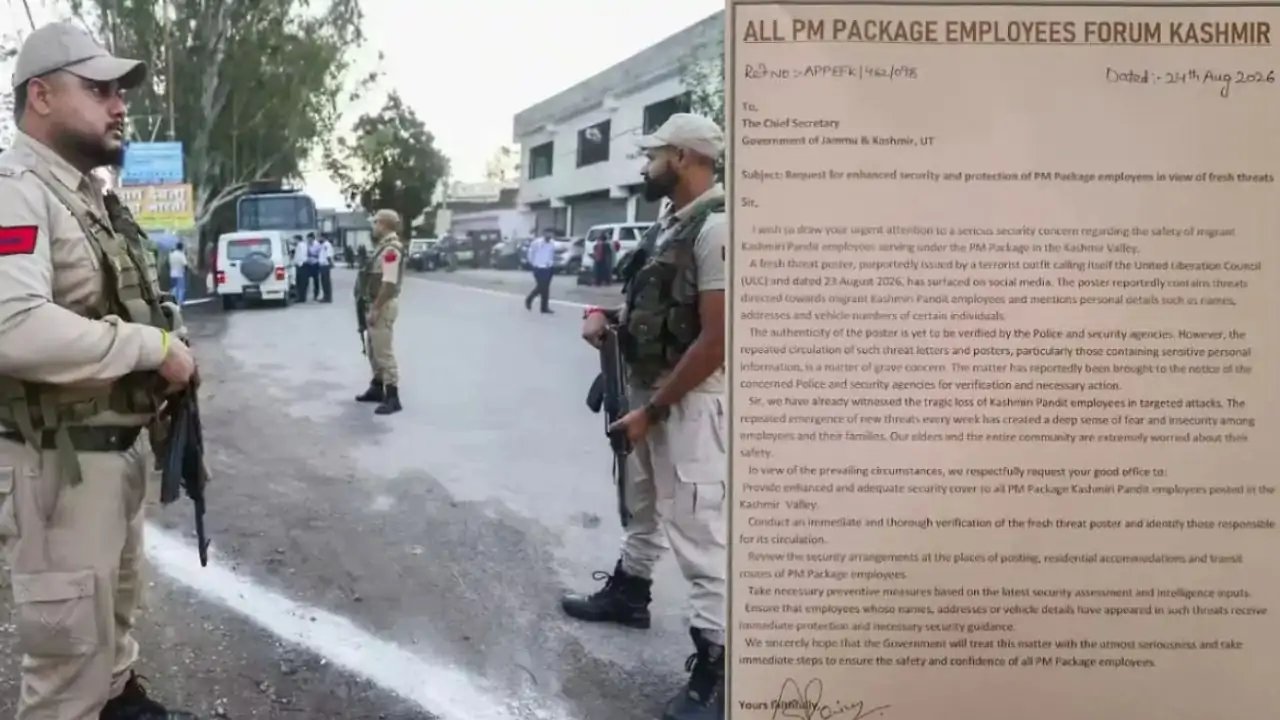
The move comes against a backdrop of rising intimidation. In 2022, Rahul Bhat, a revenue officer, was shot dead inside his office in Budgam, a crime still under investigation. Threat letters from a so‑called United Liberation Council—suspected to be a Lashkar‑e‑Taiba front—have also circulated employee details.
Shiv Kumar Bhatt, general secretary of the Delhi‑based Kashmiri Visthapit Sangh Samiti, says the return is “a dream that has become a reality.” Yet he stresses that safety is still a murky promise. “We want to stay together and stay safe together,” he told Times Now Digital.
The Union Home Ministry has announced a protective cover: static guards at minority enclaves, continuous patrolling, 24‑hour checks at checkpoints, and dedicated road‑opening parties. Over 4,000 of the planned transit flats have already been completed across the Valley, but permanent clusters remain unbuilt.
The government now faces the task of converting these transit facilities into long‑term housing. A schedule for the rollout of permanent housing clusters is expected in the next parliamentary session, with a target completion of December 2024.
For residents like Koul, the promise of stable quarters is more than a policy; it is a chance to reclaim a childhood that ended in exile. “We want to be in a safer place in our Kashmir,” he said, eyes reflecting a hope that is still fragile.
As the ministry pushes forward, the community watches closely, knowing that any lapse could reignite the violence that has haunted them for three decades.