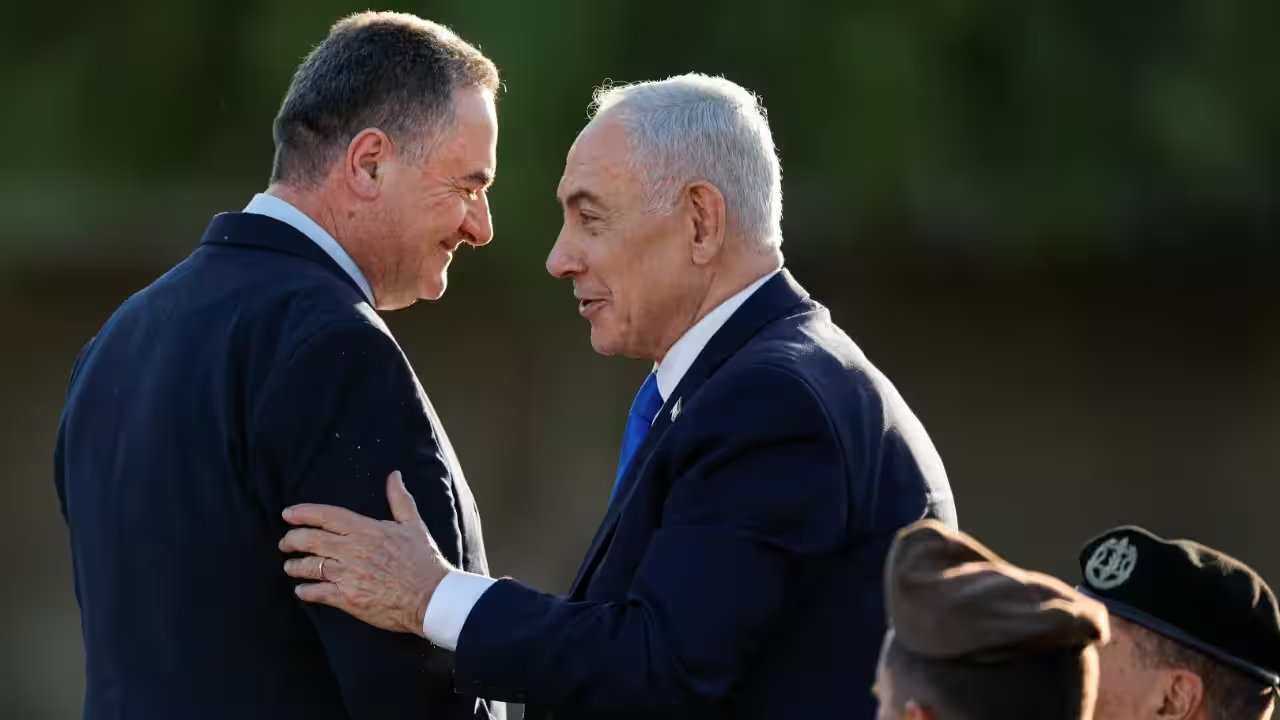
Katz shut down speculation of a leadership fracture just 24 hours before Israelis head to the polls. "The reports of disagreements between the political leadership and the IDF on Iran are completely baseless and false," he stated in a declaration reported by the Times of Israel. The denial directly contradicts claims from Channel 12 and state-owned Army Radio, which cited senior security officials alleging a clash over Netanyahu's order for unspecified military action.
The stakes are high. Defence officials reportedly feared the prime minister's instruction could trigger a rapid confrontation with Iran right before the vote. Katz clarified the government's stance: no initiation of hostilities, but an unequivocal promise of "great force" if Iran attacks. "I state unequivocally that Israel had no intention of initiating an attack on Iran before the elections," Katz said, reinforcing the line between defensive readiness and offensive intent.
Netanyahu himself dismissed the narrative during a Channel 14 interview, labeling the rumors "nonsense" and insisting "there was no fight" with Zamir. Yet, in the same interview, he revealed he had recently instructed the IDF and Mossad to "topple the [Iranian] regime". The ambiguity of that remark, paired with his viral AI-generated image of a nuclear explosion in Tel Aviv, keeps the question of intent alive for a skeptical electorate.
The domestic turmoil is shadowed by international interference. US President Donald Trump renewed his endorsement of Netanyahu on Sunday, calling him an "outstanding Warrior Prime Minister" on Truth Social. "Vote for Bibi Netanyahu for Prime Minister, we have to finish the job that we started," Trump urged. Netanyahu’s own campaign rhetoric has escalated, with warnings that voting for anyone else risks a "second Holocaust," setting a volatile tone for the final 48 hours of campaigning.