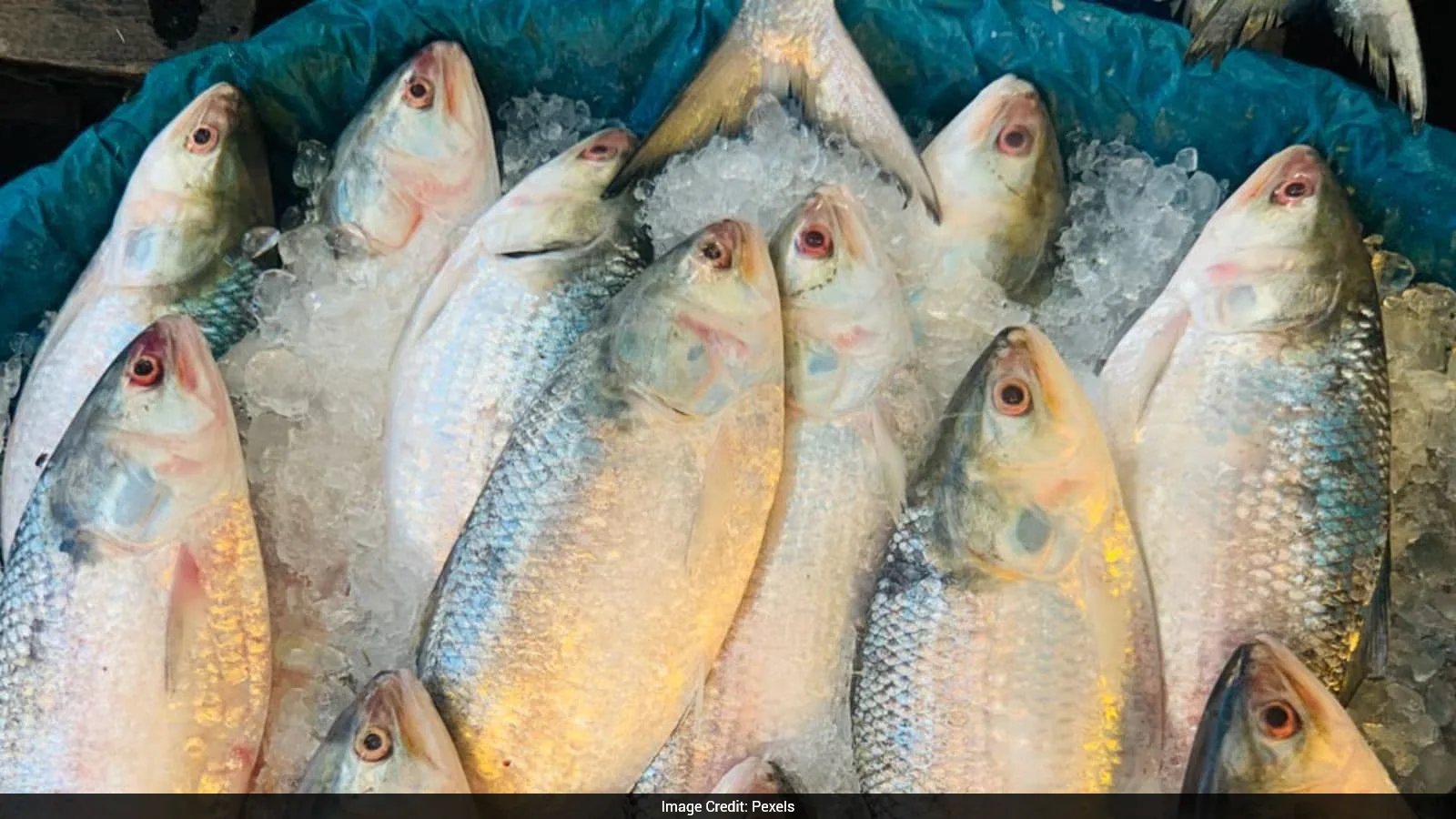
The Narmada river just swallowed a record 14,587.72 metric tonnes of hilsa in 2025-26.
It's a staggering jump. Last year, the state managed only 8,535.75 tonnes. The shift is driven by a mix of fresh and salt water near Bharuch, creating a perfect breeding ground for the anadromous fish, according to RB Vala and AM Parmar, assistant professors at Kamdhenu University, Gandhinagar. They point to the Farakka Barrage and rising pollution in the Ganga-Hooghly system as reasons why the traditional breeding grounds in West Bengal and Bangladesh have degraded.
The economic ripple has been immediate. More than 25,000 fishermen are relying on the four-month monsoon season, and the catch has been so robust that traders are now sending approximately 250 tonnes of hilsa to Kolkata and Howrah. "We have never seen a seasonal catch like this," said Ramesh Machhi, a fisherman from Bharuch, noting that the high volume has brought financial security back to his family.
Bharuch district alone accounted for nearly half the state's total, producing 7,410.09 metric tonnes in 2025-26. This isn't just a statistical blip; it's a lifeline for a community that has watched its primary catch migrate south for a decade. The next monsoon will test whether this new equilibrium can hold, but for this year, the Narmada is the undisputed capital of hilsa.