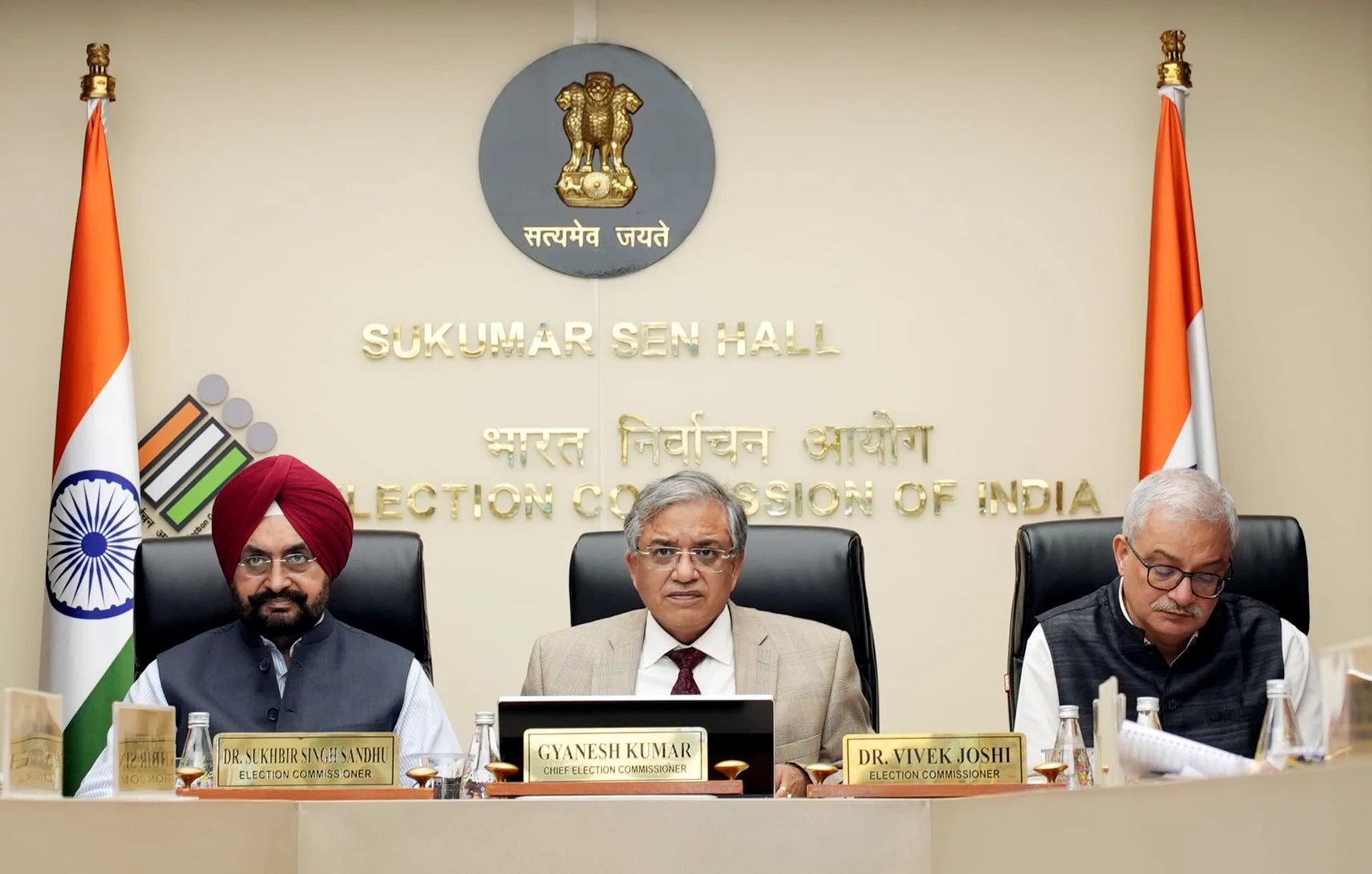
The bench of Chief Justice Surya Kant, Justice Joymalya Bagchi and Justice V Mohana sat in New Delhi on Monday, a day that saw the court issue a notice to the Election Commission and the Ministry of Home Affairs. The notice follows a series of petitions filed by Patna resident Rakesh Kumar Singh and lawyer Shailendra Mani Tripathi, who allege that Chief Election Commissioner Gyanesh Kumar has been acting alone in key decisions. The court warned that it cannot issue an order based solely on a newspaper report and demanded a response within seven days.
The petitions argue that Kumar has been making changes to the Special Intensive Revision of electoral rolls and to election software without the consent of his two colleagues, Sukhbir Singh Sandhu and Vivek Joshi. If the court finds that he has exercised powers that belong to the Commission as a whole, it could declare those actions unauthorized and annul the related orders. The plaintiffs also sought a suspension of Kumar pending the final hearing, insisting the Commission must operate through unanimous or majority decisions.
The Election Commission, which has defended its actions as following statutory procedures, said that differing views are a normal part of deliberations. It also stated that all its orders carry full legal sanction. The Ministry of Home Affairs was asked to provide an explanation on why the Commission’s decisions were taken without the concurrence of the other commissioners.
The Supreme Court’s notice is expected to shape the functioning of the Election Commission in the run‑up to the 2024 national elections. A decision on Kumar’s suspension could force the appointment of an interim chief or trigger a re‑appointment process involving a committee that includes the Chief Justice of India. The final hearing is slated for late June, after which the court will determine the legal standing of the commission’s recent actions.