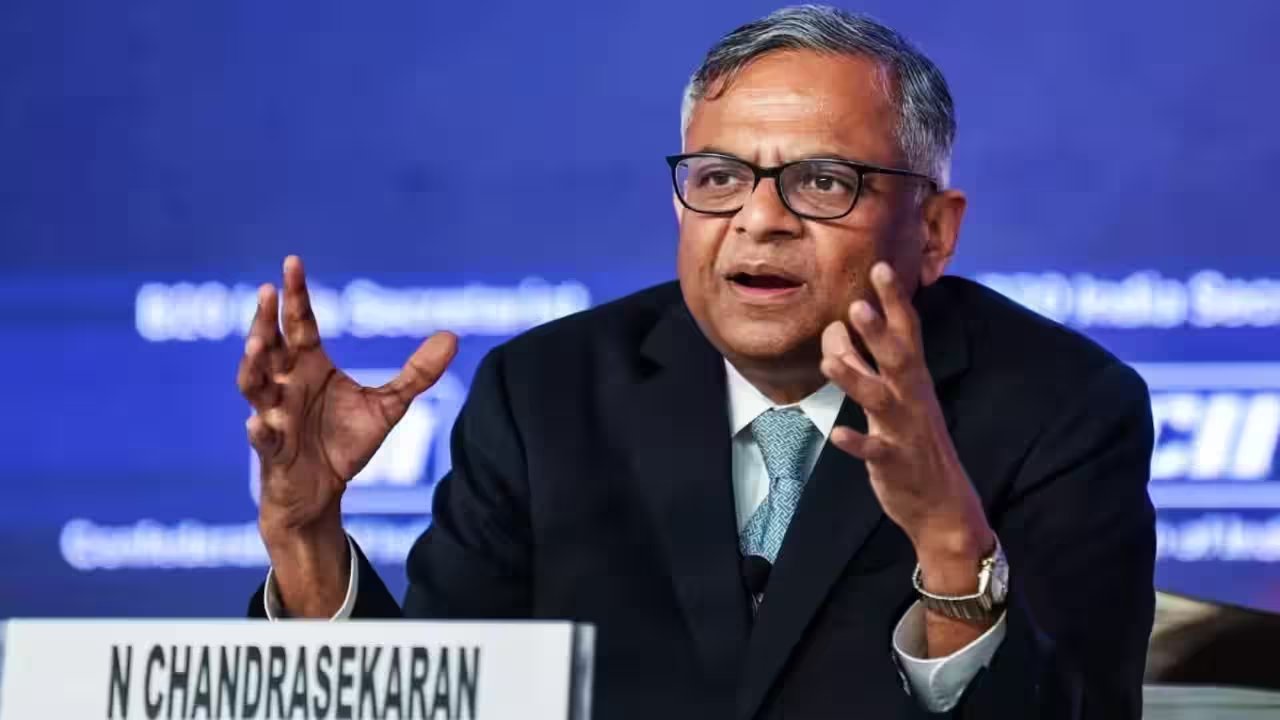
On Monday, N. Chandrasekaran addressed the Indian Foundation for Quality Management Symposium, declaring India’s economy remains resilient amid geopolitical storms. He cited a current‑account deficit of under 1% of GDP, services exports at about 11% of GDP, robust forex reserves, and healthy bank NPAs as proof that India is in a stable position.
He singled out energy security, advanced and precision manufacturing, and human‑capital investment as the three pillars that will keep growth humming. Energy security, he said, hinges on expanding renewables and securing domestic supply chains, while advanced manufacturing must shift from low‑margin assembly to high‑value design and production.
Chandrasekaran linked these pillars to the Viksit Bharat 2047 blueprint, urging that inclusive development rests on world‑class infrastructure, institutions and intellectual property. He warned that without such foundations, the 2047 vision risks becoming a distant aspiration.
Citing Toyota’s quality ethos and Germany’s industrial transformation, he challenged Indian firms to embed quality into innovation and productivity, calling for a national ecosystem that nurtures SMEs and equips middle‑strand enterprises to compete globally.
With the next policy package slated for late October, the Tata group will track how these priorities shape India’s trajectory toward its 2047 agenda, and whether the country can translate resilience into sustained, inclusive growth.