Nitin Gadkari said the backlash over E20 ethanol‑blended petrol is a paid campaign and that the government has amended the Central Motor Vehicles Rules 1989 to permit flex‑fuel vehicles to run on up to E100. He added that more than 20 crore two‑wheelers and 3 crore petrol cars have used E19‑20 blends for three years without any documented engine failures, countering the critics.
The E20 rollout drew fire from opposition leaders and consumer groups who warned older engines might choke on the higher ethanol content. Gadkari pointed out that the programme started with a pilot in 2001, introduced E5 in 2006, and only reached 1.53 % blend by 2013‑14 before being scaled in a calibrated fashion.
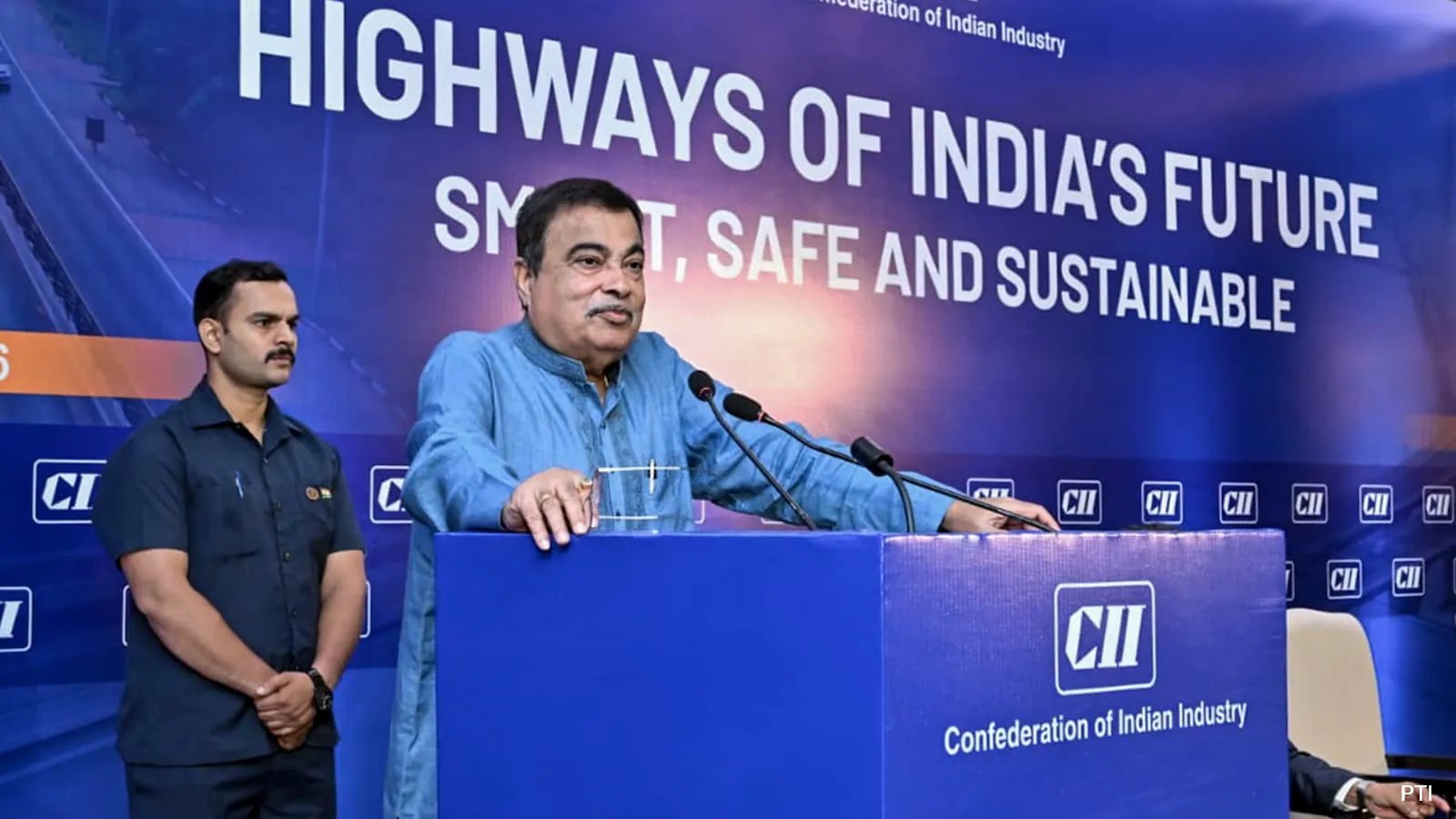
On highways, Gadkari said he reviewed 700–800 projects after complaints over road conditions and will use Network Surveillance Vehicles to track every pothole, penalising contractors that fail to meet standards. He also highlighted that the Char‑Dham route now has 80‑85 % of its work done and that a Delhi‑to‑Haridwar stretch will cut travel time to 90 minutes once the upcoming project opens.
The ministry announced that the national highway network will reach 1.46 lakh km by 2026, up 1.6 times from 91,287 km in 2014, while the 4‑lane and above network will hit 49,160 km, a 2.6‑fold rise. The high‑speed corridor will grow 12 times to 6,788 km, signalling a push to boost freight and passenger mobility.
Gadkari also revealed plans to tighten the truck body code, and that the ministry is negotiating a memorandum of understanding with Bihar’s chief minister to dredge the Ganga at no cost, using the silt to reinforce highways and reduce flood risk. He reiterated that infrastructure investment yields a 3.25‑fold return on GDP, framing the push as essential for a USD 5 trillion economy.