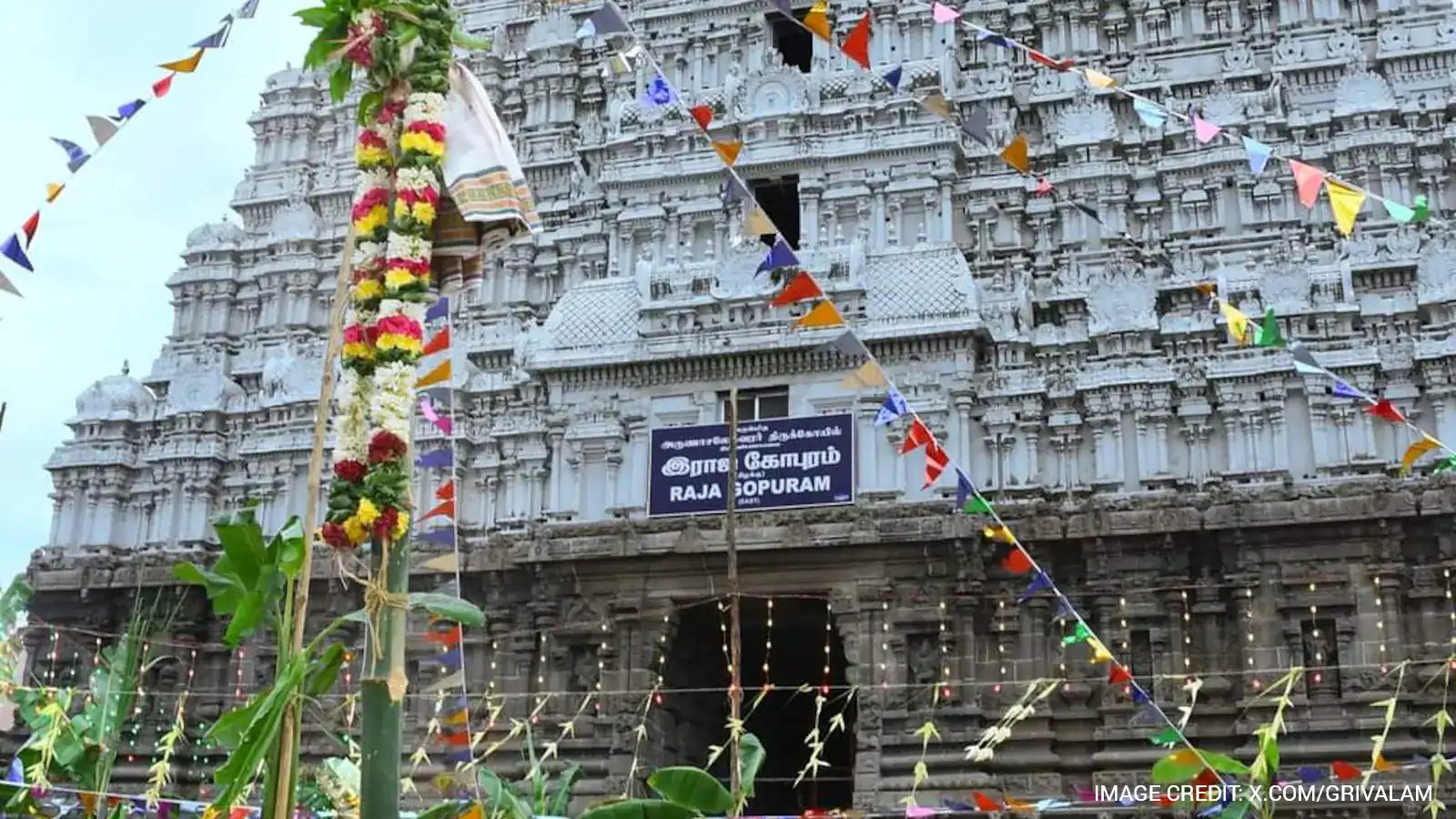
Justices GR Swaminathan and P Murugan of the Madurai Bench issued the order on a petition seeking strict enforcement of Agamic injunctions. The ruling tightens the existing framework, which previously only required non-Hindus to affirm faith and follow customs to cross the flagstaff. Now, the court has extended this requirement to the temple premises itself for anyone sporting symbols of other religions. The declaration must be in the format prescribed by the specific temple.
The judges did not impose a blanket ban. They clarified that the restriction targets those who wear religious markers of other faiths and refuse to affirm reverence. However, the order left a gap: it did not expressly clarify if a non-Hindu wearing such markers could enter after signing the undertaking. The bench criticized temple staff for becoming "mute spectators" while social media videos showed people in skull caps entering the Arunachaleswarar temple in Tiruvannamalai despite devotee protests.
The judgment cited specific political incidents to underscore the need for enforcement. The bench noted Madurai Central MLA Badrudeen Mustafa entering the Meenakshi temple after the election to inspect amenities and climbing the towers during Kumbabishekam. It also referenced a Christian Minister entering the Tiruchendur temple without the required undertaking. In contrast, the judges highlighted Chief Minister Joseph Vijay, who, despite his Christian faith, worshipped at the Meenakshi temple after signing an undertaking. They described his approach as "inclusive," emphasizing that he was asked to affirm reverence, not convert.
The legal precedent rests on the 1972 Kalyan Dass v State of Tamil Nadu ruling, which struck down broad admission rules, and a 2024 decision in D Senthilkumar v Government of Tamil Nadu. That earlier 2024 ruling established that non-Hindus disbelieving in Hinduism should not cross the flagstaff without an undertaking of faith and respect. The current order refines this, focusing on the visual markers of other faiths as a trigger for the reverence requirement.
The scope is limited to Agamic temples. The court noted that places like the Ayyappa and Shirdi Sai Baba temples, which draw devotees across religious lines, are not covered by this specific restriction. Temple management committees in Tamil Nadu will now have to implement the new protocol, likely leading to heightened scrutiny at entry gates. Devotees and temple authorities have welcomed the order, while human rights groups are expected to challenge it in higher courts.