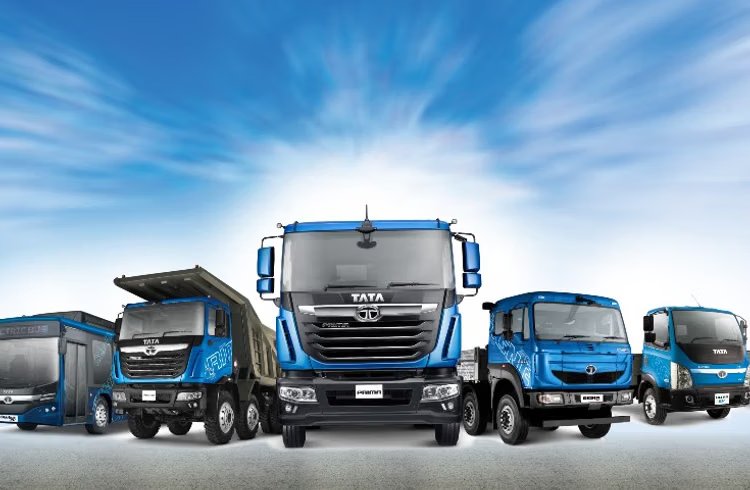
Tata Motors’ latest earnings call confirmed that the company expects to finish FY27 with a double‑digit jump in overall commercial vehicle sales, despite a 5.4‑point dip in operating margins caused by soaring steel, rubber and metal costs. The firm has already lifted prices on several models, and will reassess the market near the end of Q3 before any further hikes in Q4.
The price increases, while keeping demand momentum alive, are a direct response to the 540‑basis‑point margin drag reported for Q2FY27. This drag stems from a raw‑material inflation wave that has pushed steel prices up by nearly 15% and rubber by 12% since the start of the fiscal year.
In the competitive landscape, Mahindra & Mahindra’s XUV400 and Ashok Leyland’s low‑floor trucks are priced 3‑5% lower than Tata’s flagship models, but Tata’s recent price moves have closed that gap to 1‑2%. For buyers, the trade‑off is a slightly higher upfront cost for a vehicle that offers a 10‑year service contract and a 5‑year warranty on key components.
Policy shifts also play a role. The GST 2.0 framework, which lowered commercial vehicle tax rates by 2% last year, helped lift sales in Q3 and Q4 of FY26, but the high base effect from those gains means growth will naturally slow in the second half of FY27.
Looking ahead, Tata will roll out its next‑generation chassis in early 2028, with a phased launch across major metros by March 2028. Buyers should watch for the company’s Q4 pricing decisions, which could signal a broader shift toward value‑added features rather than pure price competition.