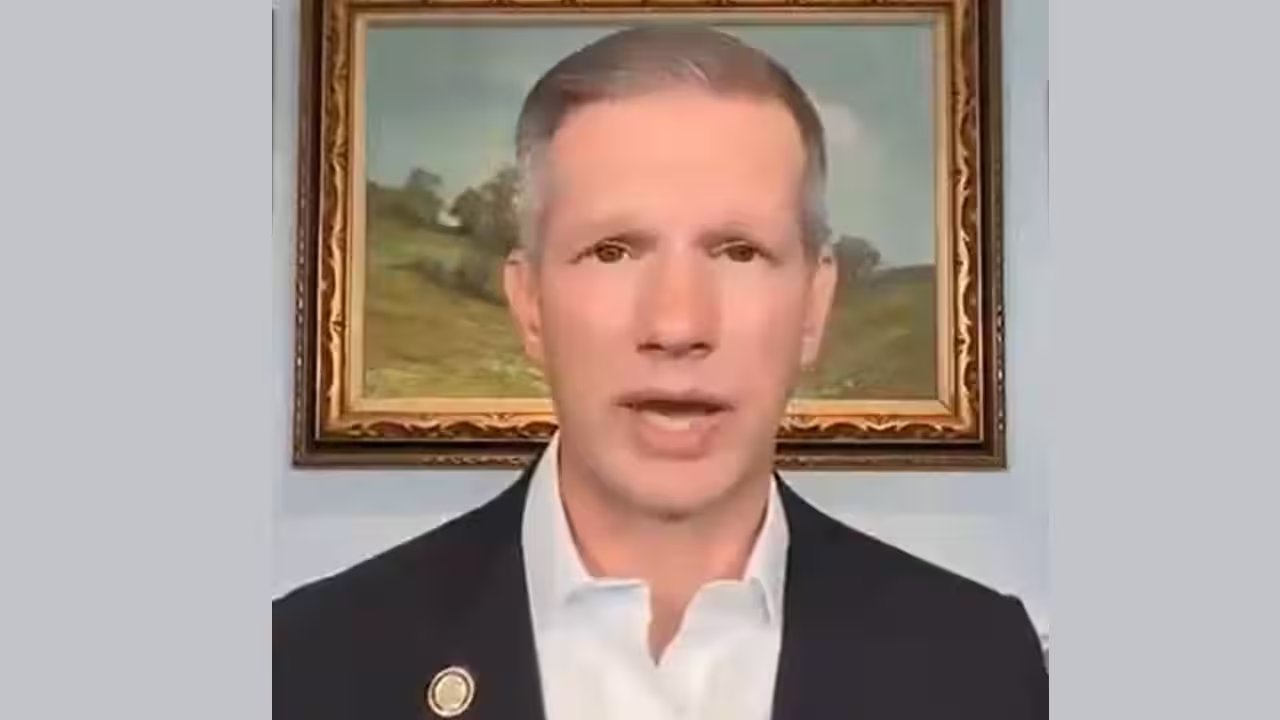
Riley Moore, a Republican congressman from Pennsylvania, didn’t mince words on X, labeling H-1B and Optional Practical Training (OPT) programs as "SCAMS" that strip jobs from American youth. He’s not just venting online; Moore laid out his numbers during an interview with Scott Jennings on the Salem News Channel, claiming the system is fundamentally broken. "We had about 650,000 kids, give or take, graduate with computer science... degrees in this country last year, and then issued over half a million H-1B visas," he said. The math, he argues, is simple: employers pick cheaper labor, and local graduates lose out.
This isn’t just a social media rant. It feeds directly into a broader legislative push to reshape how the US handles skilled immigration. Moore argued the program has mutated from a tool for filling unfillable specialized roles into a mechanism for importing cheap labor. He even floated the "chain migration" angle, claiming a typical H-1B holder brings "10 individuals of their family," though immigration attorneys note this figure is often inflated to maximize political impact. The core grievance remains: American grads with CS and accounting degrees are being undercut by foreign workers willing to accept lower rates.
Meanwhile, the bureaucracy is moving. The Department of Homeland Security (DHS) has proposed a regulatory tweak that could tighten the screws on H-1B and L-1 visa extensions. The change targets 8 CFR 214.1(c)(5), which currently forces USCIS officers to defer to previous approvals when the facts haven’t changed. Remove that deference, and officers can re-audit eligibility from scratch. It’s a subtle but dangerous shift for the roughly 70% of H-1B beneficiaries who are Indian nationals, many of whom rely on these extensions to maintain their US careers.
The stakes are high for the tech sector. The annual cap sits at 85,000 visas—65,000 regular, 20,000 for advanced degree holders. If Moore’s narrative gains traction and the DHS rule goes through, the landscape for Indian professionals in the US could shift from a standard career path to a precarious legal battle. The proposal is currently open for public feedback, but the political wind is clearly blowing toward restriction.