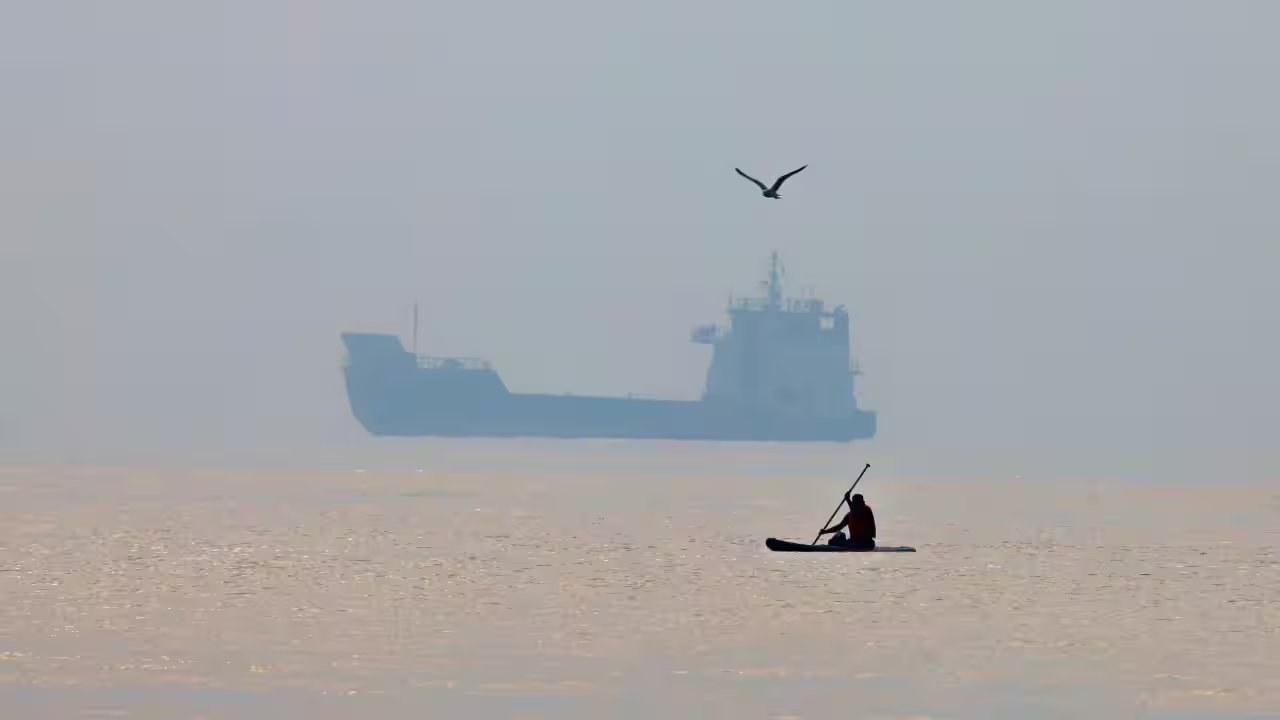
Twelve tankers faced attacks, attempted strikes, or harassment in the Strait of Hormuz between September 28 and October 5. That is the highest weekly frequency since the US war with Iran ignited on February 28. Maritime security sources tracking the surge told Reuters the violence is accelerating just as Gulf producers ramp up exports.
The International Maritime Organisation (IMO) logged nine verified incidents for the same period, a figure that lags behind private trackers due to slower verification processes. For context, the UN body’s previous peak was eight incidents in the week beginning July 13. The discrepancy highlights how fast the threat environment is shifting compared to the bureaucratic pace of official reporting.
The US Navy-led Joint Maritime Information Centre (JMIC) confirmed on Sunday that Iran’s Revolutionary Guards are actively maintaining pressure on transiting vessels. Their tactics include drone overflights, surveillance, and hailing ships via VHF radio. "These actions continue to demonstrate Iran's intent to assert presence along key transit lanes," the JMIC stated, framing the harassment as a deliberate strategic assertion rather than random piracy.
India felt the impact directly on Tuesday. The foreign ministry announced that 12 crew members were injured after an unknown projectile struck the Panama-flagged oil tanker ‘On Peace’ as it navigated the strait. It’s a stark reminder that the diplomatic distance between New Delhi and Tehran doesn’t shield Indian crew members from the chaos in the Gulf.
Shipping data from Monday showed Gulf oil exporters actually exceeded pre-war levels for about half of September. But that momentum is now clouded by logistical constraints and the rising threat to tanker safety. The market is watching to see if insurers and shippers will start rerouting around the strait, a move that would spike global energy prices overnight.