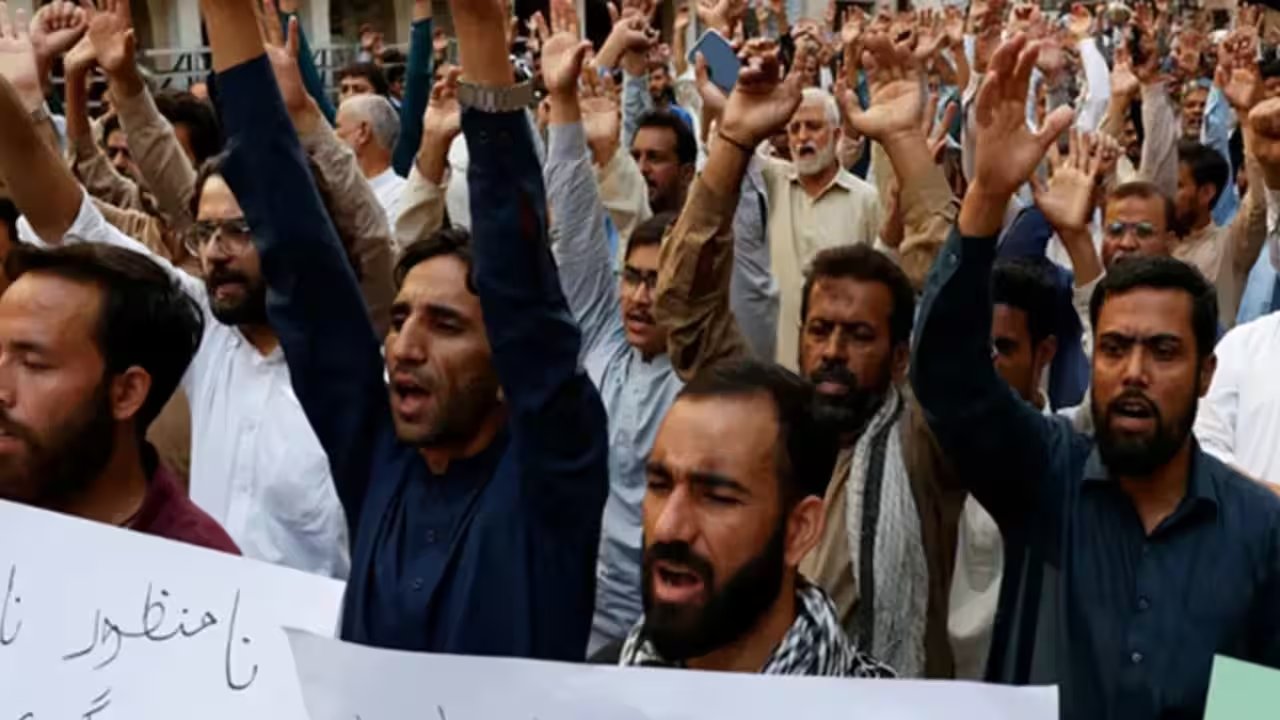
Attaullah Tarar cautioned PTI supporters that a planned march to Islamabad on September 27 could inflict a daily economic hit of $400 million, citing a recent Islamabad High Court ruling that bars parties from obstructing public roads. The warning arrives as Jamaat‑i‑Islami also mobilises a march against the petroleum levy, adding pressure on the capital.
Finance Minister Muhammad Aurangzeb quantified the potential damage, estimating a loss of PKR 120 billion (≈$400 million) each day if strikes, sit‑ins or road closures persist. He broke down the figure: services sector – PKR 86 billion, industry – PKR 25 billion, agriculture – PKR 9 billion, and a revenue drain of PKR 17 billion for the government.
The IT export corridor is not spared. With $811 million earned in July and August, Aurangzeb warned that earlier internet disruptions had knocked exports by up to 80 percent. Higher freight and insurance costs, compounded by Middle‑East tensions, already strain businesses.
Security forces have positioned hundreds of containers at major gates to Islamabad and reviewed police protocols at all entry and exit points. The Pakistan Institute of Medical Sciences and Federal Government Polyclinic Hospital are on high alert, keeping trauma, ICU and ambulance services running 24/7 until September 30.
Parliamentary Affairs Minister Tariq Fazal Chaudhry said the government remains in contact with JI leadership and hopes to resolve the levy dispute through dialogue, while he underscored the need to maintain law and order amid rising tensions. A court hearing on the protest’s legality is slated for October 1, after which authorities will decide whether to allow the march.