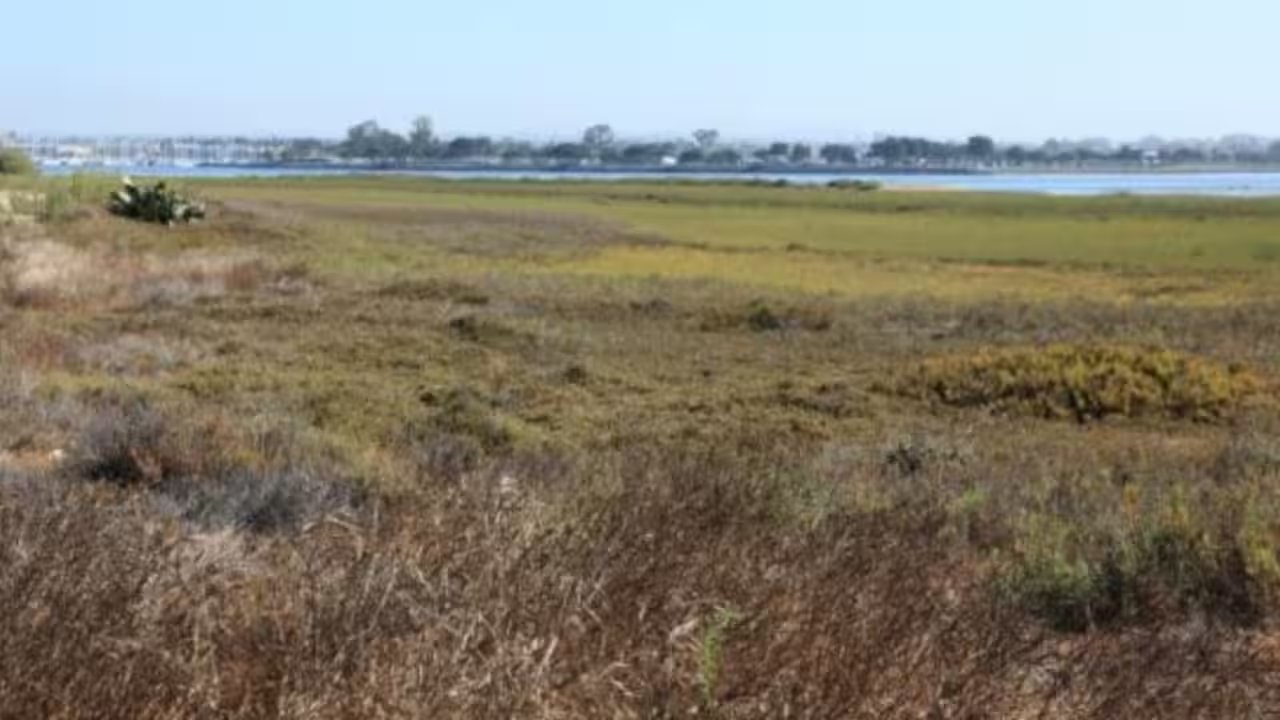
The U.S. Fish and Wildlife Service, together with state and local partners, began a wetland restoration in the late 2000s that culminated in 2011 with 300 acres of former salt ponds reconnected to the bay.
During the work, sediment from the bay was redistributed, levees were breached and tidal channels were carved, allowing the Otay River and bay waters to flood the area.
The project reshaped degraded stretches, planted native marsh vegetation and set up monitoring plots that revealed eelgrass growth within a year.
Since the restoration, the U.S. Fish and Wildlife Service has recorded 80 bird species, 22 fish species and 10 invertebrates; the endangered light‑footed Ridgway’s rail has successfully bred there by 2016.
Today, visitors to the Bayside Birding and Walking Trail can watch the return of California least terns and western snowy plovers, while local fishermen report increased fish catches in the new shallow channels.