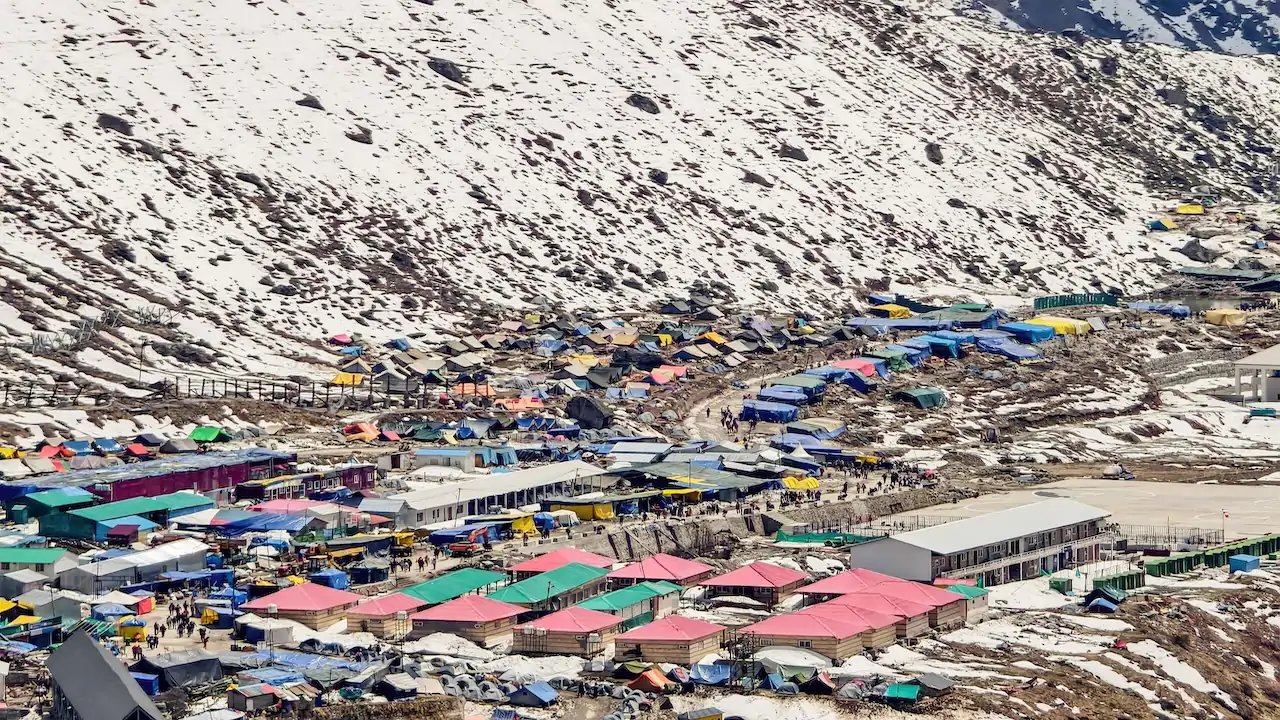
The mountain is choking. Kedarnath Nagar Panchayat data, released in response to a Right to Information (RTI) query by Noida-based activist Amit Gupta, shows the shrine town generated 50.30 metric tonnes of waste between April and August 2026. That volume exceeds the total waste produced in any full pilgrimage season of the past three years.
The numbers are stark. Full-season totals stood at 32.58 tonnes in 2023, 26.10 tonnes in 2024, and 21.40 tonnes in 2025. The 2026 five-month haul is 54 percent higher than the entire 2023 season and roughly 2.35 times last year’s total. The spike began immediately after portals opened on April 22, with May alone accounting for 16.3 tonnes of refuse.
Footfall alone doesn’t explain the jump. Rudraprayag District Magistrate Vishal Mishra cites this season’s footfall at over 15 lakh, lower than the 17.57 lakh recorded in 2025. Yet waste per visitor has nearly tripled, rising from about 12 grams in 2025 to over 33 grams in 2026. The RTI reply does not specify why, though the District Administration’s Deposit Refund System claims to have collected over 50 tonnes in May alone—a figure that conflicts with the Panchayat’s monthly data showing only 18 tonnes by month’s end.
The disposal method is equally problematic. While 92.5 percent of plastic waste is processed, the remaining 30-plus tonnes of mixed waste goes into four landfills built in the last five years. An earlier 2024 PTI report noted 49.18 tonnes of untreated garbage dumped near the temple between 2022 and 2024. Kedarnath sits below the Chorabari glacier; buried waste here leaks polluted run-off into the Mandakini, flowing downstream into the Ganga.
The state’s focus has remained on access—tokens, helicopters, crowd control—rather than waste capacity. This data arrives before a crisis, not after. Administrators must now reconcile conflicting collection counts and treat waste absorption as a hard limit when setting daily registration caps. The valley was rebuilt after the 2013 floods; now, the warning is written on paper.