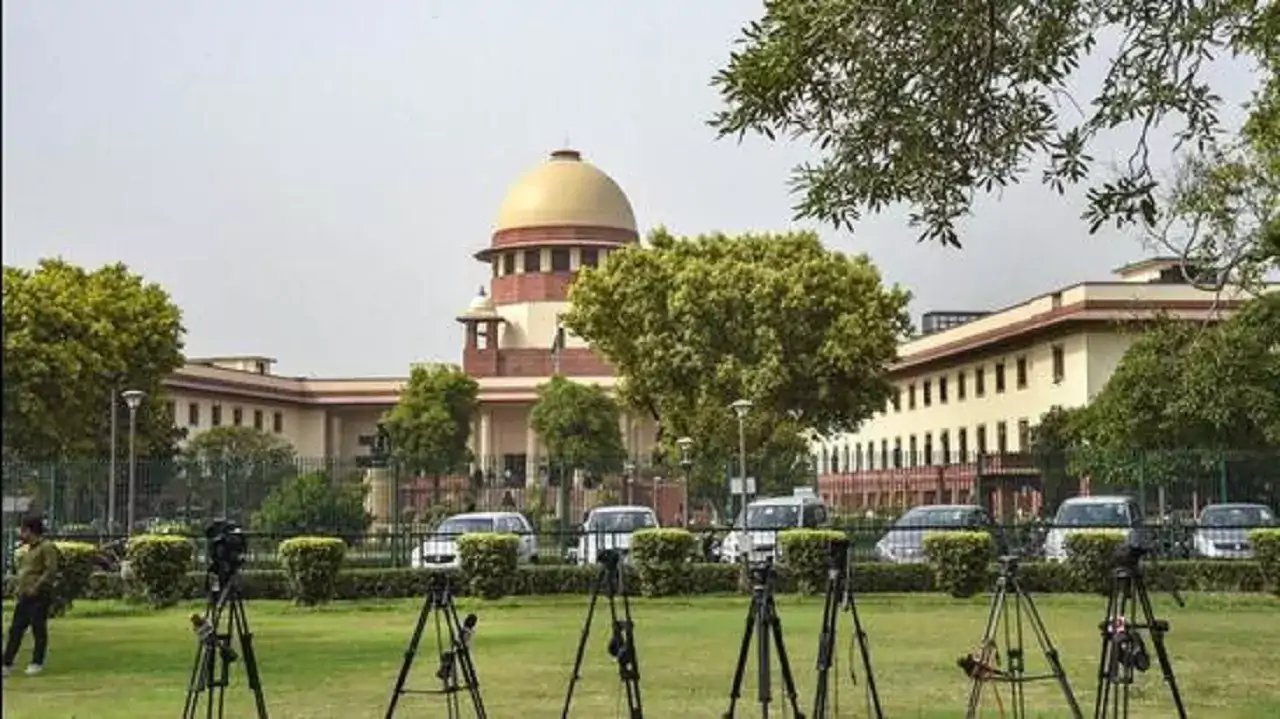
Additional Solicitor General Aishwarya Bhati urged the Supreme Court to limit the reach of its March 11, 2026 judgment in Union of India Vs Rohith Nathan, requesting that the ruling apply only to future recruitment cycles. The Centre argued that applying the verdict retrospectively would unravel seniority lists and cadre allocations for candidates who were never part of the original litigation.
The core of the dispute centers on how to define the "creamy layer" for Other Backward Classes. In the March 11 ruling, the apex court held that a parent's salary alone—whether in a public sector undertaking or private firm—cannot be the sole criteria for exclusion. Instead, the status of the parent's post and the specific income or wealth tests outlined in the 1993 office memorandum must be considered.
But the government fears the practical fallout. Bhati told the bench, comprising Chief Justice Surya Kant and Justices Joymalya Bagchi and V Mohana, that without a two-year grace period, the state faces "complete administrative chaos." The plea seeks a "limited prospective overruling"—not a dilution of the law, but a deferral of its operationalization to allow for an "effective equivalence exercise" across various services.
This legal maneuvering is already creating a patchwork of confusion across the country. The top court noted that multiple high courts have entertained petitions concerning the judgment, creating inconsistent interpretations. To fix this, the Centre has asked the Supreme Court to transfer all these cases from the high courts to itself or to a single designated high court for uniform handling.
The issue is not limited to general recruitment. On September 1, a separate bench headed by Justice P S Narasimha, the author of the original judgment, agreed to hear another plea from the Centre. This specific case concerns how the March 11 criteria apply to candidates who appeared for the Civil Services Examination in 2025.
The Supreme Court has not yet issued a final order on the transfer of cases or the prospective application plea. However, the consolidation of these matters signals that the top court will soon provide a definitive roadmap on how the creamy-layer rules will be enforced in practice, a decision that will directly impact the reservation status of thousands of OBC applicants currently in the selection pipeline.