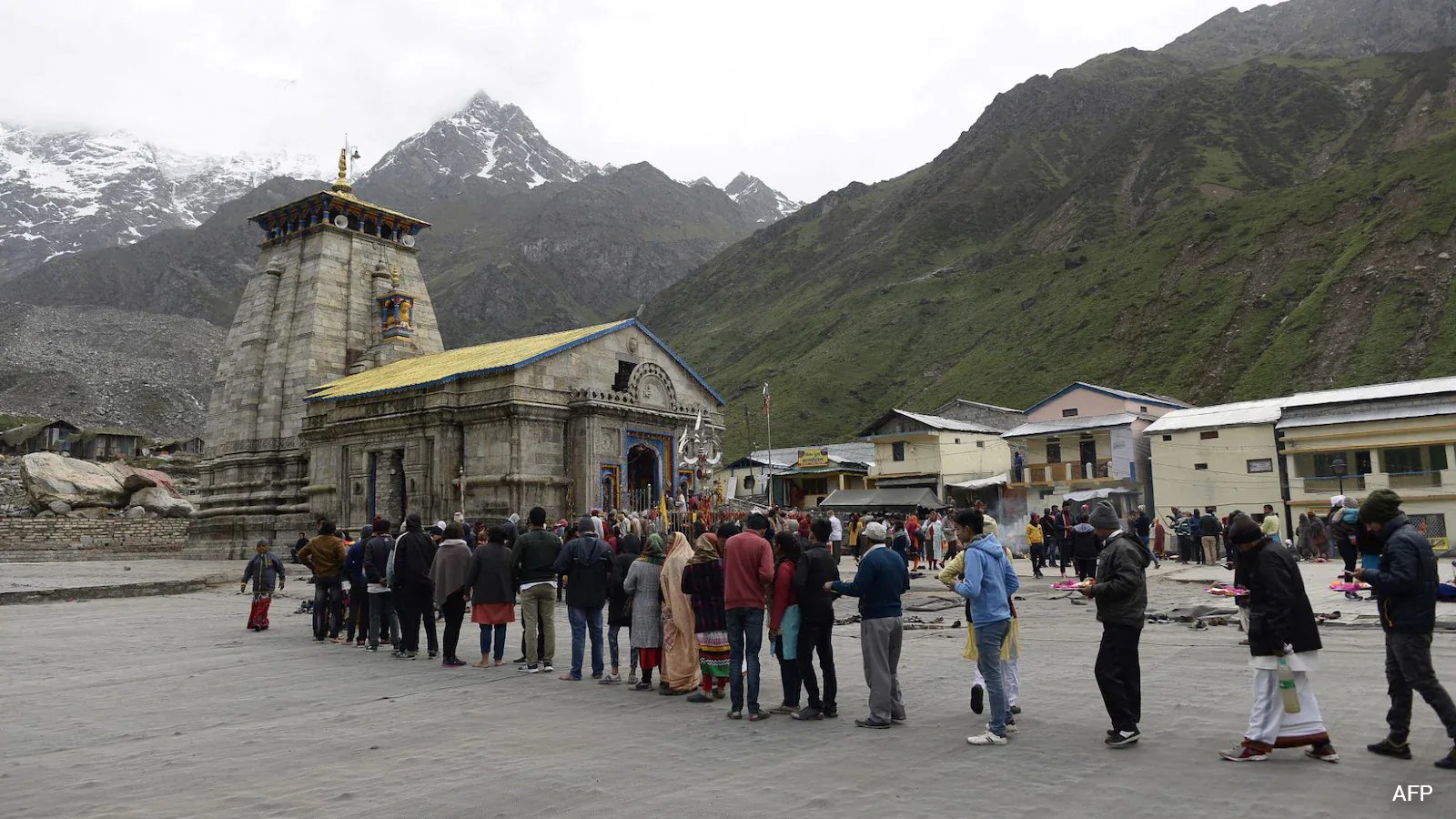
The Nagar Panchayat of Kedarnath disclosed that the holy site generated 50.30 metric tonnes of waste from April to August 2026, a figure that eclipses the entire pilgrimage season of 2025 by 135 percent. 2023, 2024, and 2025 saw 21.40, 26.10, and 32.58 tonnes respectively, underscoring the unprecedented surge.
April’s 1.7 tonnes barely scratched the surface, but May’s 16.3 tonnes smashed the average monthly output of previous years. June, July, and August followed with 11.5, 10.5, and 10.3 tonnes, respectively—each month exceeding the yearly averages of 2024.
Plastic accounts for roughly 20 tonnes of the total, with 18.5 processed and 1.5 still pending disposal. The landfill’s 30,000‑sq‑ft capacity leaves only 28,000 sq‑ft for future deposits, a space that was carved out of four new landfills erected in the past five years.
Amit Gupta of Noida, who filed the RTI, highlighted the data as evidence of growing environmental strain. He noted that 1.5 million pilgrims visited Kedarnath this year, tightening the pressure on waste‑management systems.
The surge threatens the fragile Himalayan ecosystem and signals an urgent need for expanded waste‑management infrastructure. Local authorities have promised to review landfill capacity and explore alternative disposal methods.