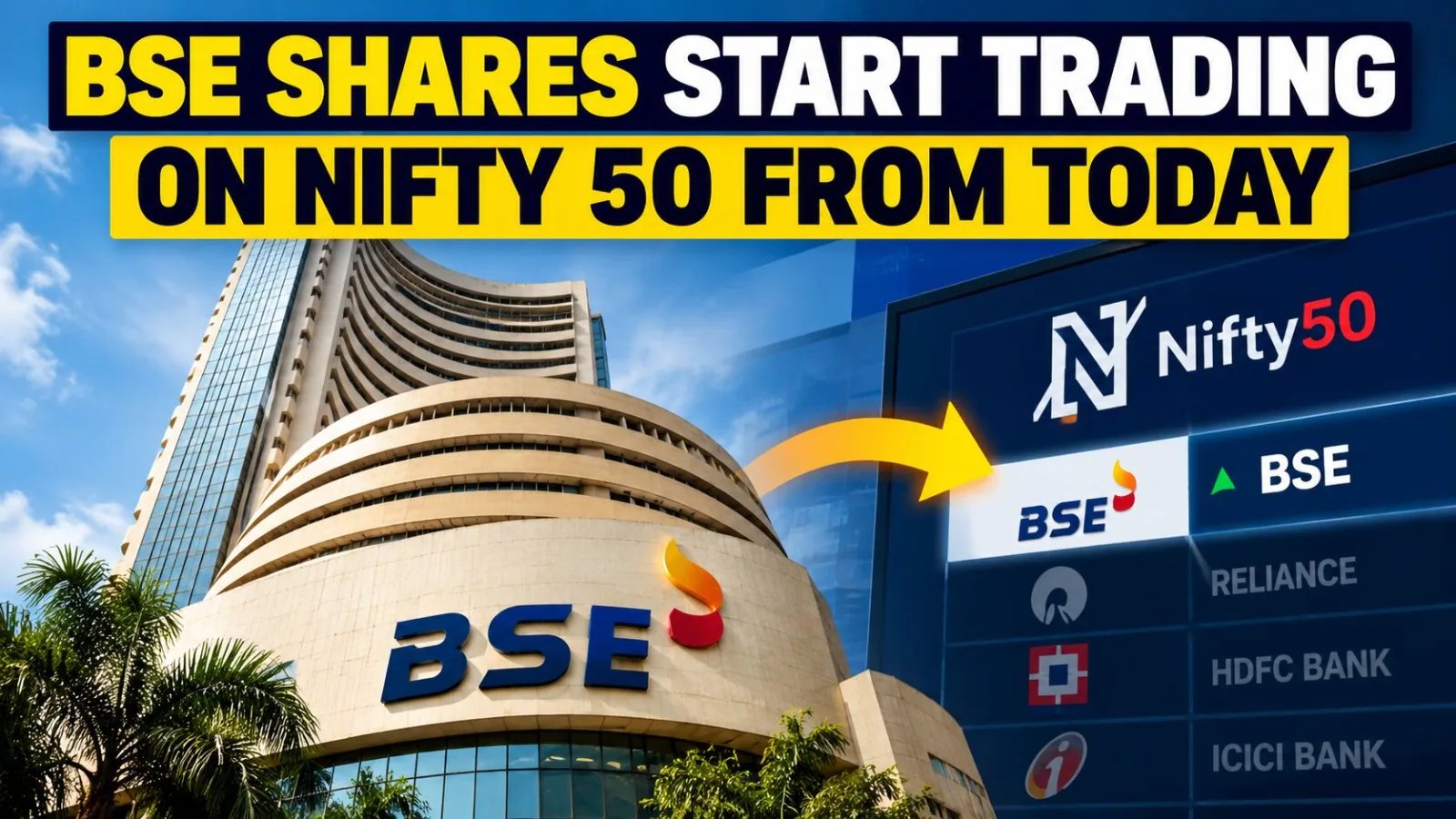
The Bombay Stock Exchange enters the Nifty 50 index on Wednesday, September 30. It’s a first for the exchange in nearly a decade since its IPO. BSE replaces Wipro, which is being shifted to the Nifty Next 50 for the first time since the index’s inception. Wipro shares finished Tuesday at their 52-week low, a stark contrast to BSE’s 3.3% gain to ₹3,200 on NSE.
Money is moving. IIFL Alt Desk analysts pegged potential inflows to BSE at $595 million, while Wipro faces outflows exceeding $152 million. The rebalancing session on Tuesday saw BSE become the most traded Nifty 500 stock, with a total turnover of over ₹9,578 crore. In the Closing Auction Session alone, BSE accounted for ₹6,247 crore in volume.
Leveraged positions are heavy. As of September 28, MTF data shows total leveraged positions on BSE at ₹3,155 crore, barely down from ₹3,215 crore on August 31. BSE sits second on the MTF book, just ₹60 crore behind HDFC Bank, which leads with ₹3,213 crore exposure. Traders are clearly positioning for the index move.
Macquarie initiated coverage on September 24, labeling BSE "The Challenger" against NSE’s "The Dominator." The brokerage sees BSE’s pivot to index options as a credible competitive threat, noting that platform expansion and market share gains offer significant revenue and margin optionality. Their target price is ₹4,000, implying substantial upside from Tuesday’s close.
The market is watching the cash flow implications. With earnings growth and margin expansion cited as key drivers, the inclusion could amplify BSE’s liquidity. But the high MTF positions suggest a crowded trade. Investors should watch whether the index inclusion sustains the momentum or if the leverage unwinds post-rebalancing.