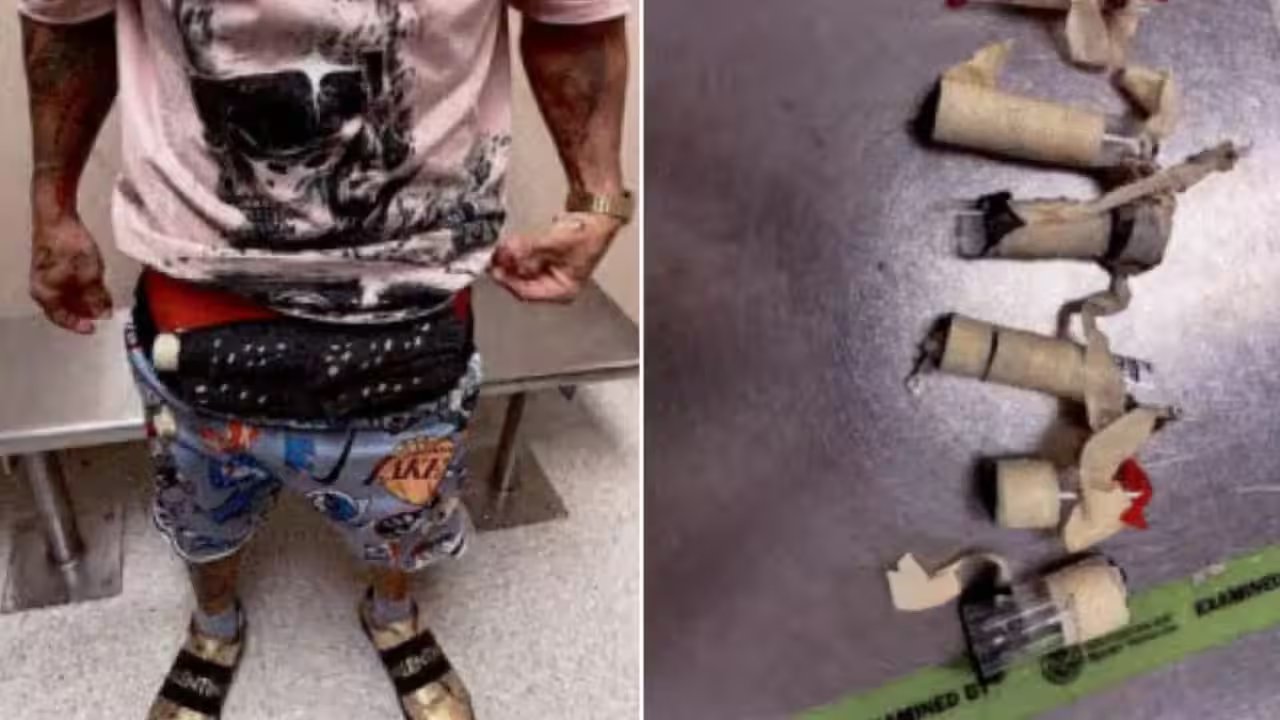
Alberto Hernandez Castillo, 40, was taken into custody at Miami International Airport on Oct. 4 after U.S. Customs and Border Protection agents uncovered ten live birds concealed in plastic tubes sewn into his underwear. The suspect, a Cuban national and U.S. permanent resident, had arrived from Havana on World Atlantic Flight 503 and signed a customs entry declaration answering "No" when asked whether he was carrying animals or wildlife.
During a secondary inspection, officers noted an "unexplained bulge" around Castillo’s waist and pelvis. A pat‑down revealed six clear cylindrical plastic containers wrapped in tape, each with a mesh opening for airflow. Inside the tubes, investigators identified eight yellow‑faced grassquits and two blue grosbeaks—species protected under the Migratory Bird Treaty Act of 1918.
Castillo claimed the birds were for personal use, yet he lacked the documentation required by the U.S. Fish and Wildlife Service to import them legally. The federal complaint charges him with smuggling goods into the United States, a felony that carries up to ten years in prison and a $250,000 fine.
He was released on a $25,000 personal surety bond and will appear in federal court in Miami on Oct. 26, 2026. The Fish and Wildlife Service is still assessing the fate of the ten birds, while law‑enforcement officials say the case may prompt a review of airport inspection protocols for travelers from Cuba.