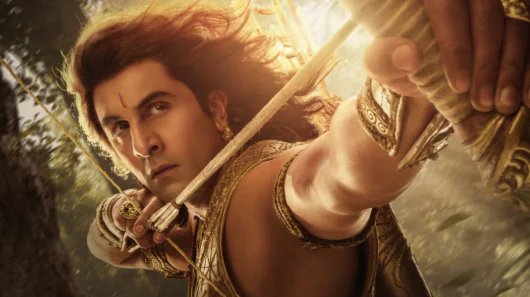
When Suvendu Adhikari unfurled the tax‑free decree, the crowd at Central Park’s Dussehra bash exploded into a chorus of cheers that echoed across Kolkata’s skyline, as Ranbir Kapoor’s screen‑glow as Rama flickered in every corner.
The CM didn’t stop at Ramayana. He teased a cinematic wave of mythic tales – a Krishna‑centric venture, an Arjuna‑driven thriller, and a sweeping Mahabharata saga – promising audiences a deluge of divine narratives that could outshine the current season’s blockbusters.
Advance sales already show the film’s pulse: Rs 1.53 crore in tickets sold on the opening day of November 5, with Mumbai leading the city‑wise surge. The 3D format alone accounts for Rs 1.16 crore, a staggering 76% of the total advance gross, while premium screens like IMAX and Dolby pull a modest 17% of the revenue from just 6% of the shows.
The first installment drops worldwide on November 5, 2026, setting the stage for a Diwali 2027 sequel. Ranbir Kapoor embodies Lord Rama, Sai Pallavi takes Sita’s place, Yash channels Ravana, and Sunny Deol lends his voice to Hanuman. Supporting roles feature veterans like Vivek Oberoi and fresh faces such as Rakul Preet Singh, all wrapped in a production backed by Prime Focus Studios, DNEG, and Yash’s Monster Mind Creations.
So, what comes next? The tax‑free policy could drown the film in a wave of early bookings, while the CM’s promise of a full mythological roster might keep cinemas humming through the festive season. For fans, it’s a chance to see the epic on grand screens without the usual price tag, and for the industry, a test of whether policy can truly drive a cultural juggernaut.