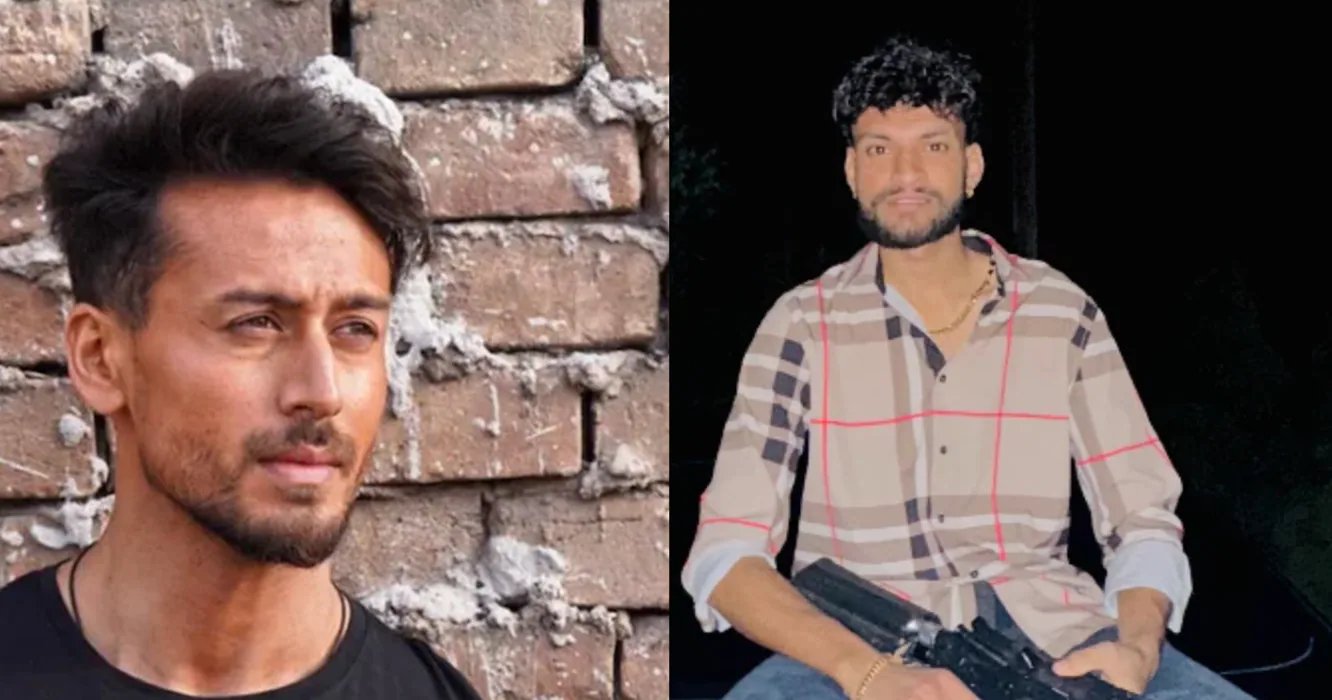
Gunfire rattles the set of a new action flick—Tiger Shroff, the star who’s been the face of high‑octane stunts, gets a surprise cameo on the wrong side of the script. The blast, fired by the Bishnoi gang on a Sunday night, left the actor bruised but alive, sparking an instant debate over why Bollywood keeps inviting trouble.
The Bishnoi gang isn’t new to the headlines. Their name first surfaced when they opened fire on Salman Khan’s house in 2024, a move that echoed a 1998 incident when Khan was accused of hunting black bucks—an act that Bishnois consider sacrilegious. In a tense interview from jail, a gang member warned Salman to apologise or face worse, a warning that felt more like a threat than a plea.
The past two decades have seen Bollywood’s relationship with the underworld shift from predator‑prey to a complex partnership. In the 1980s and ’90s, dons like Dawood Ibrahim and Chhota Rajan made their fortunes by extorting film money, threatening directors like Rakesh Roshan and even killing producers such as Mukesh Duggal. Their strategy was simple: scare the industry into paying, then siphon profits through “international rights” deals that turned black money into white.
Yet the ties weren’t only financial. D‑Company’s lavish parties in Dubai and Sharjah turned stars into reluctant performers, while some actresses reportedly entered romances with gangsters to protect their careers. Filmmakers often found themselves caught in a web of patronage, where a single shoot could mean a dinner with a don or a life‑saving favor.
Now, with Tiger Shroff’s shooting, the industry faces a choice: either tighten its security protocols or risk becoming a footnote in the crime‑film history books. The police have already launched a joint task force, and fans are calling for a boycott of films linked to the underworld. Whether Bollywood can separate itself from these shadowy ties remains to be seen, but one thing is clear—every bullet fired on a set sends a message that the film world is still a battleground.