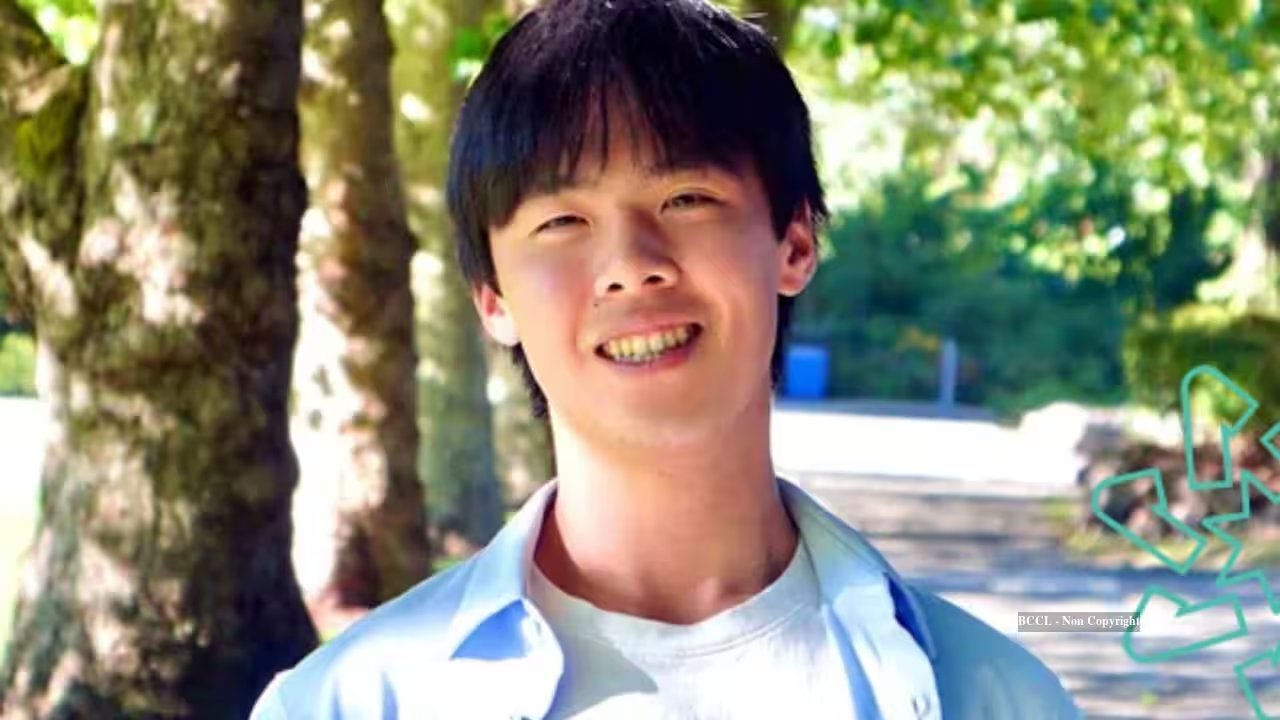
Khaos Kook didn’t just recover from a 2024 head injury; he built a medical framework for others who couldn’t. The 18-year-old Shoreline, Washington violinist was named a 2026 Davidson Fellow, securing a $25,000 scholarship for his work on a return-to-instrument protocol. This is one of the most prestigious honors in the US for students under 18, awarded by the Davidson Institute.
The injury was severe. A concussion and seizure kept Kook away from his violin for over six months, forcing a full year of medical leave from school. For a player with 14 years of daily practice, the silence was an existential crisis. He asked a question that classical music rarely addresses: What makes you a musician when you can’t play? The field often equates identity with performance, leaving injured or disabled artists feeling erased.
So Kook spent 16 months finding the answer. He immersed himself in score study, historical research, and scientific inquiry while gradually reintroducing physical practice. The result was a stepwise, evidence-based protocol specific to musicians. Existing concussion literature covers sports and school, but it ignores the cognitive and motor demands of playing an instrument. Kook’s model fills that gap, offering teachers and players a clear path from rest to structured practice.
His work challenges the industry’s reliance on the 'prodigy' model. Kook argues that musicianship includes listening, research, teaching, and advocacy—not just performance. He is already putting this into practice through Project CliKK, a nonprofit focused on expanding music education access. The group hosts hearing health seminars, drawing on Kook’s research collaboration with Dr. Sharon Kujawa at Mass Eye and Ear.
The $25,000 award validates his approach, but the real impact lies in the resource he’s created. For injured artists facing an unstructured and isolating recovery, Kook’s protocol provides direction. It tells them their musical identity doesn’t vanish when their hands stop moving. The next step is wider adoption. Kook intends to distribute the protocol as a public resource for conservatories and music schools, aiming to make the field more welcoming to those with physical or cognitive limitations.