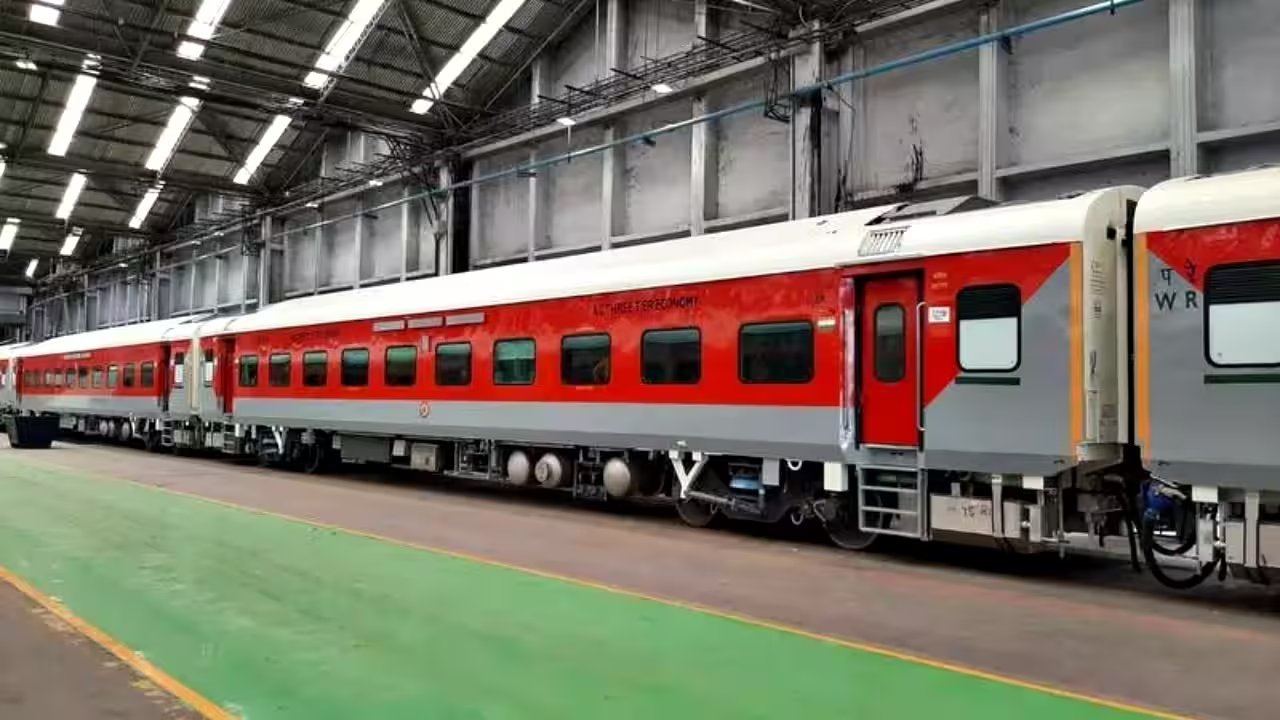
The Railway Board has officially flagged severe corrosion in Lightweight High-speed (LHB) coach bogies as a safety issue, directing the Integral Coach Factory (ICF), Rail Coach Factory (RCF), and Modern Coach Factory (MCF) to find a fix. The concern surfaced at a recent conference of principal chief mechanical engineers, where senior officials noted that despite the use of corrosion-resistant materials, the underframes are deteriorating faster than expected. Minutes from the meeting, obtained by PTI, state plainly: "Heavy corrosion in LHB bogies is a cause of worry."
Why is this happening now? LHB technology, imported from Germany in 2003, revolutionized Indian Railways by offering superior speed and safety compared to the old ICF design. But a detailed report by Eastern Railway in March 2024 pinpointed the culprit: the proximity of structural components to lavatory areas. Water seeps through toilet flooring or leaks from faulty pipe fittings, reaching the underframe. The effluent is acidic and rich in chlorides, which eats away at the trough floor, sole bars, and headstock. It’s a chemical attack from within the coach itself.
External factors are making it worse. Coaches running in coastal regions face a second assault: saline air. The high salt content acts as a powerful electrolyte, accelerating the electrochemical process of corrosion. Experts also blamed aggressive cleaning chemicals, dents in the steel surface, and vinyl advertisement wrappers that trap water at their edges. The combination of internal leaks and external salt exposure is shortening the lifespan of these expensive assets and raising maintenance costs.
The response is immediate and sweeping. The Railway Board has instructed all railway zones to examine the issue and pay particular attention to the components identified in the Eastern Railway report. The recommended measures are specific: stop using high-salinity water for washing, ensure thorough rinsing and drying to remove corrosive residues, and keep drain holes in the underframe clear of blockages. Design-related improvements to existing corrosion-protection systems are also under review. The ministry expects zones to implement these precautionary measures before the next scheduled maintenance cycle, with a focus on preventing structural integrity failures that could endanger passengers.