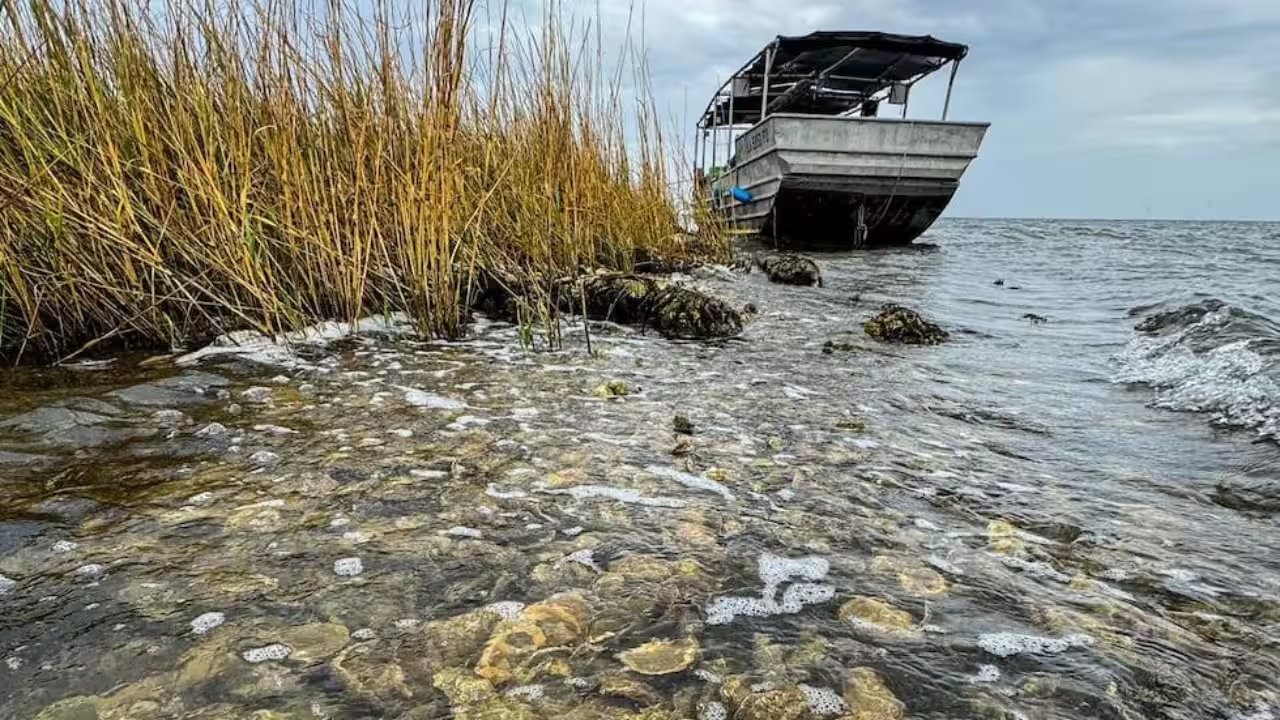
In late 2024, the Coalition to Restore Coastal Louisiana (CRCL) and community members from Grand Bayou Indian Village finished a 400‑foot living reef composed of 200 tons of bagged oyster shells collected from New Orleans restaurants. James Karst, CRCL’s project lead, explained that the shells were manually piled along the shoreline, then transferred to boats and placed in the water to create a hard substrate for oyster larvae.
A CRCL monitoring team recorded 52 live oysters per square metre on the reef in 2025, a figure that climbed to 130 per square metre in 2026. The 78‑oyster increase – a 150% jump – represents the most significant uptick in shell‑based reef density observed in the state’s restoration program to date.
The reef serves a dual purpose: it buffers wave energy, helping to slow erosion along the village’s fragile marshes, and it creates habitat for a range of marine species. For the Atakapa‑Ishak/Chawasha community, whose homes have dwindled to a handful of boats and a few houses, the structure represents a tangible link to ancestral lands that are threatened by rising sea levels.
CRCL plans to revisit the site annually to track oyster growth and assess broader ecological benefits. The success at Grand Bayou may spur additional shell‑reef projects along Louisiana’s coast, but volunteers warn that such structures can only buy time; long‑term protection will require integrated shoreline management and federal support.