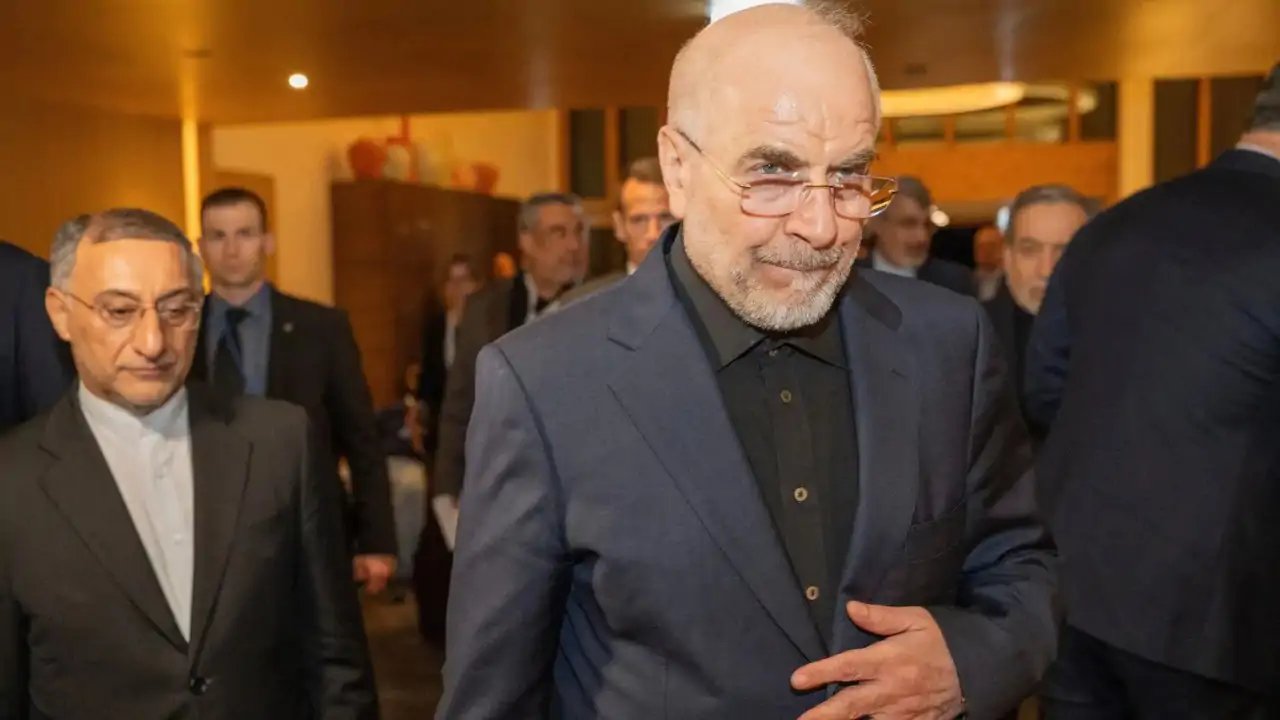
The Iranian embassy in New Delhi confirmed Saturday that Speaker Mohammad Bagher Ghalibaf will not travel to India for the 12th BRICS Parliamentary Forum. The statement, released without further elaboration, attributed the cancellation to "certain unforeseen circumstances." It was a blunt notice of absence for one of the highest-ranking officials in Tehran's political hierarchy.
But the diplomatic bridge won't burn. The embassy explicitly stated that Iran's parliamentary delegation will still participate in the two-day event scheduled for October 26-27. This ensures Tehran maintains its active presence in the grouping, even if the Speaker stays home. For a consensus-based bloc like BRICS, where any single member can block a final declaration, the physical presence of delegates is critical to keeping the machinery running.
Lok Sabha Speaker Om Birla, who is organizing the event, outlined the agenda on Thursday. The sessions will focus on institutional resilience, ethical AI, and global governance reform. Prime Minister Narendra Modi is expected to interact with the visiting leaders during the opening proceedings. The atmosphere is charged, coming so soon after the September BRICS Summit where nations managed to adopt a joint declaration despite sharp divisions over the West Asia conflict.
Ghalibaf's absence lands in a sensitive window. The timing raises questions about internal logistics or diplomatic friction, though no official from the Indian government has commented on the specific reasons behind the Speaker's withdrawal. The forum proceeds as planned, with delegates from BRICS member and partner countries gathering to finalize strategic priorities for parliaments. The next major test for the bloc will be the implementation of the September joint declaration, a document that survived significant pressure from opposing geopolitical camps.