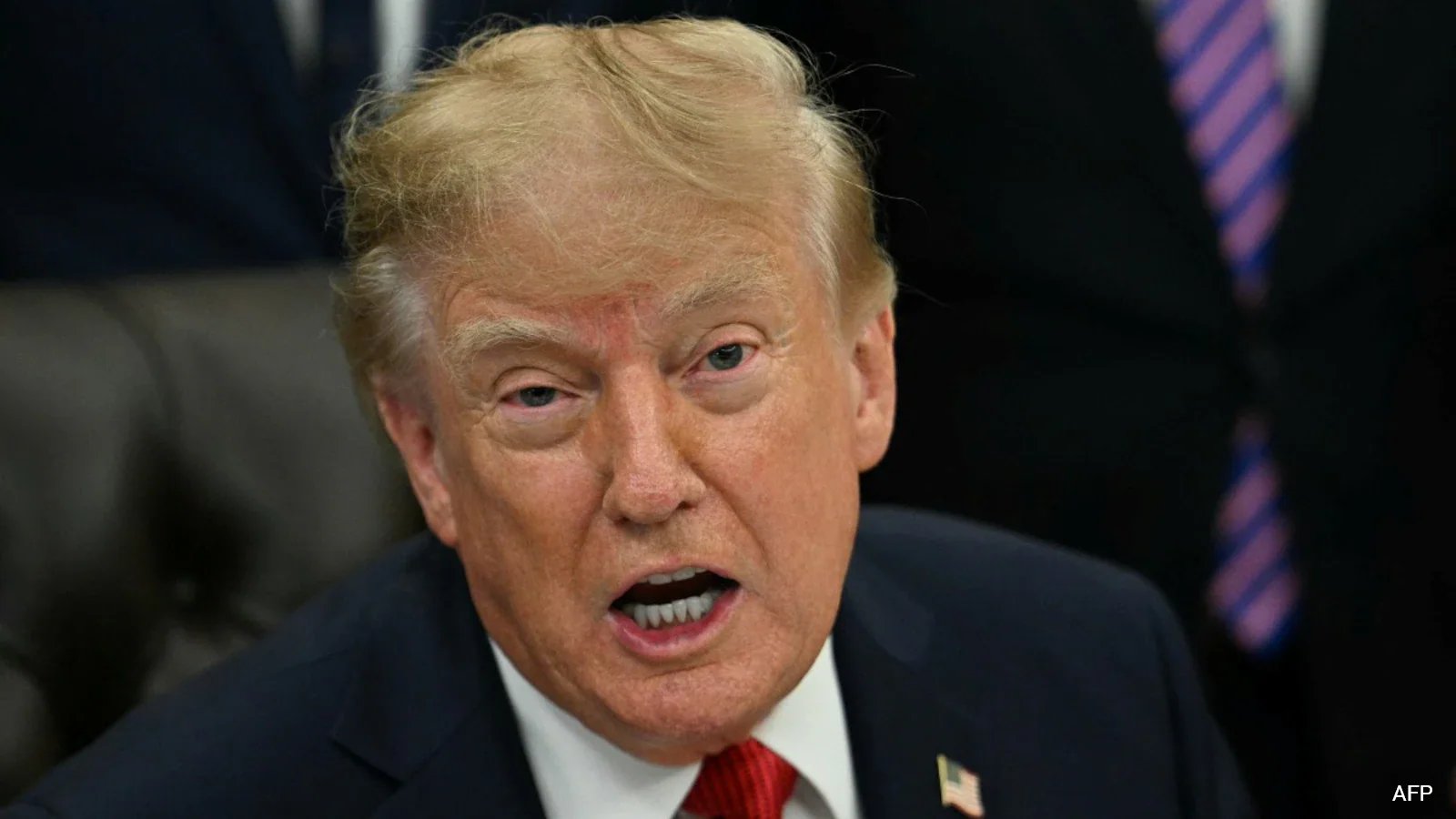
Donald Trump signed the Russia sanctions bill into law on Friday, handing himself unilateral power to impose 100 percent tariffs on any country buying Russian energy. The legislation passed the House of Representatives by a 262-159 vote on Wednesday, marking a rare bipartisan victory despite deep partisan friction over trade authority.
The law explicitly targets the Russian energy and defense sectors, Vladimir Putin, and the "shadow fleet" of tankers used to evade existing Western controls. It expands the net to catch foreign companies supporting Moscow’s military machine and extends sanctions frameworks concerning Iran. This isn't just symbolic. It’s a financial noose tightening around the buyers.
The tariff provision triggered an unusual split within the Democratic caucus. While most Democrats back Ukraine, they resisted granting Trump broader discretionary power over trade policy. The fear was clear: a president with unchecked tariff authority could weaponize trade beyond just Russia.
India reacted quickly on Thursday, stating it would continue buying oil "through diversified sourcing." That diplomatic language signals a refusal to yield to economic pressure, even as New Delhi navigates the delicate balance between US security ties and Russian energy costs.
The timing is aggressive. Trump is set to meet Chinese President Xi Jinping in Washington next week. This signing is a negotiating chip, placed on the table moments before the two leaders sit down to discuss trade and geopolitical leverage.