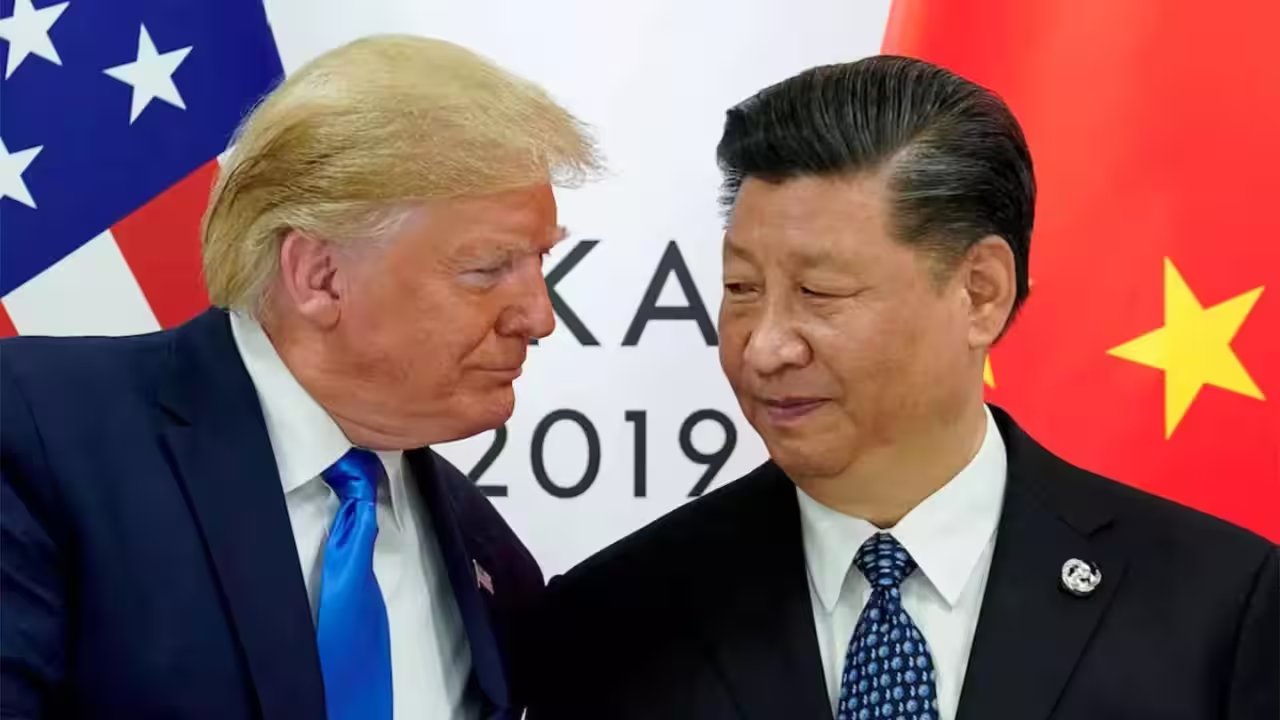
Donald Trump will personally receive Chinese President Xi Jinping at Andrews Air Force Base on Wednesday, becoming the first sitting U.S. president to do so since the 1990s.
Trump’s gesture follows years of tariff wars and rhetoric that painted China as a rival, yet the move signals a willingness to engage directly at a level that has rarely been seen in modern diplomacy.
Obama and Bush were the last presidents to travel to Andrews to greet Pope Francis and Pope Benedict, respectively; Xi’s earlier visits, such as the 2018 state trip, were marked by a far more subdued welcome at the White House.
The stark contrast underscores an asymmetry in pageantry that mirrors the broader power dynamics, with Beijing’s rare‑earth dominance and Washington’s lingering trade anxieties creating a tense undercurrent.
The agenda for the three‑day visit will cover trade, rare earths, semiconductor controls, AI, intellectual property, and key geopolitical flashpoints like Taiwan, the Strait of Hormuz, and Ukraine, with a roster that includes tech titans Jeff Bezos, Elon Musk, and Satya Nadella.
India, meanwhile, watches cautiously, preferring to keep the U.S. and China from turning a strategic rivalry into a regional domino effect that could destabilize its own supply‑chain diversification efforts.
Tomorrow’s White House ceremony will feature a 479‑member honor guard, a presidential salute, a military review in the Rose Garden, and a fly‑over by a B‑2 Spirit bomber escorted by four F‑22 Raptors, a spectacle designed to impress a leader who has long been skeptical of U.S. pageantry.