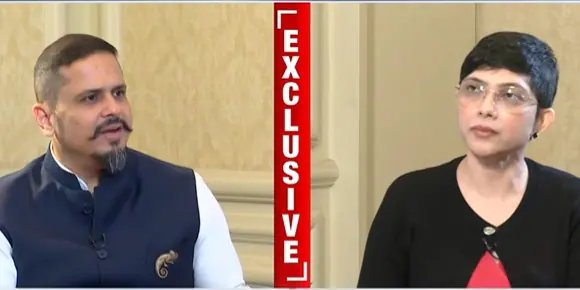
Soni said AI cuts the heavy lifting of production, letting creators with modest budgets produce high‑quality videos that attract audiences across India. The tech removes the "grunt work" of editing, dubbing and subtitles, enabling even a five‑person team in Bangalore to produce a regional drama that rivals big‑budget productions.
The platform’s creative ecosystem added Rs 18,000 crore to India’s GDP last year, a jump from the 12,000 crore reported in 2022. Soni highlighted that about 30% of the new channels focus on regional languages, exploiting AI‑driven dubbing to reach audiences beyond their native markets. A 19‑year‑old filmmaker in Goa credits AI editing tools for turning a short film into a viral hit.
Large‑screen viewership is now a reality: nearly 75 million adults watch YouTube on TVs, and analysts project another 5–7 million smart screens in India each year. Soni said this trend signals YouTube’s evolution into the "future of television" and hinted at a dedicated TV‑app rollout by Q4. Meanwhile, AI is helping Indian content cross borders, with a Kerala film now subtitled in 20 languages.
Industry observers see the move as a tipping point for Indian digital media. With AI lowering entry barriers, the next wave could bring even more regional stories to global audiences, and YouTube is poised to lead that transformation.