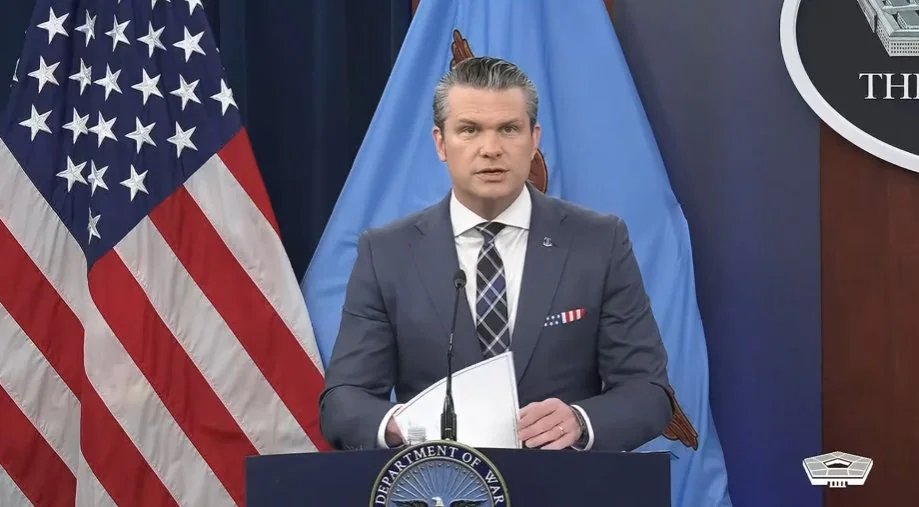
US Defence Secretary Pete Hegseth is slated to arrive in Cebu on Wednesday, October 28, to sit at the ASEAN defence summit, where he will be pressed on Washington’s stance in the Indo‑Pacific amid the Iran war.
The Iran war, sparked by US and Israeli strikes on February 28, has rattled shipping lanes and oil markets, leaving Southeast Asian economies exposed to fuel price shocks. ASEAN has pushed energy security to the top of its agenda as a direct response.
Collin Koh, a security scholar at Singapore’s S. Rajaratnam School of International Studies, warned that regional leaders will use side meetings to demand clarity on how the war in Iran affects US commitments. "They want to know if Washington is still the pillar of the Indo‑Pacific," Koh said.
Greg Poling, director of the Asia Maritime Transparency Initiative, added that Hegseth will need to reassure treaty allies that the US remains solid. He cited the Philippine military’s recent shadowing of China’s Liaoning carrier group as a backdrop to the discussion.
For the Philippines, the summit is a tightrope walk. The country is a US treaty ally but has been in a standoff with Beijing over the South China Sea, including repeated confrontations and a recent Chinese ambassador summons.
A Cebu‑based fisherman, Anil Kumar, said the delays in his cargo caused by the war‑induced shipping slowdown have pushed him to seek stronger maritime security. "If the US can help keep our lanes clear, it means food will reach my village on time," he told a local radio host.
The summit will close on October 29 with a joint communiqué. Hegseth’s remarks there will be closely watched, as any misstep could widen the rift between Washington and its Southeast Asian partners.