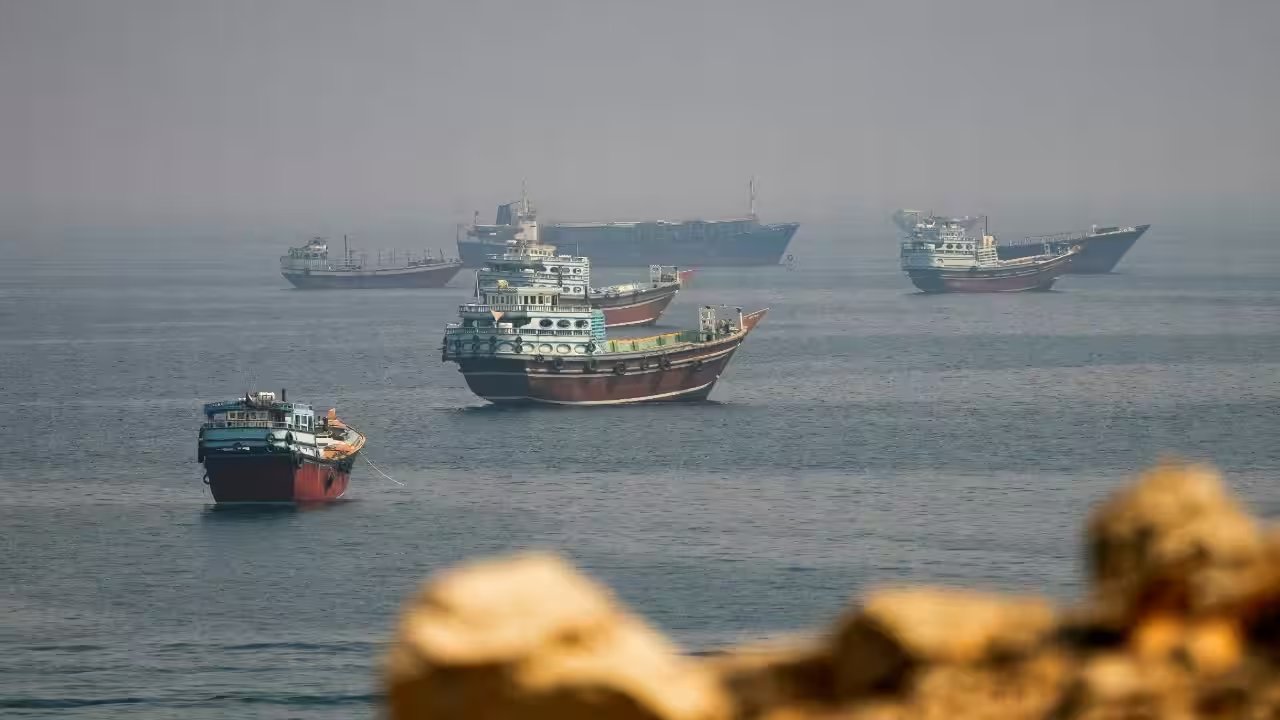
On Tuesday, a senior Iranian government official told Kyodo News that Tehran would reopen the Strait of Hormuz within seven days if Washington takes steps to ease its military blockade. The official said, “There is a possibility of moving toward an agreement,” stressing that the United States must show “seriousness and commitment” for diplomacy to advance.
The proposal has the backing of Supreme Leader Ali Khamenei and the Supreme National Security Council, underscoring Tehran’s willingness to pivot to diplomacy amid a blockade that has strangled the export of nearly 10 million barrels of crude a day. Shipping lanes through the Strait, which carries about 20 % of global oil traffic, have been disrupted by Iranian naval patrols and U.S. forces.
U.S. Secretary of State Marco Rubio said during an NBC interview that Washington is open to meetings with Iranian officials at the upcoming UN General Assembly. “We’re open to that… if it has the prospects of leading to something positive,” Rubio told NBC.
The standoff dates back to February 28, 2023, when the U.S. and Israel struck Iranian targets, prompting Tehran to retaliate with drone and missile attacks on Israeli and U.S. assets. A ceasefire brokered by Pakistan in April led to a 60‑day memorandum in June, but both sides resumed strikes, prompting the U.S. to tighten its blockade and Iran to close the Strait.
The next week’s UN General Assembly in New York will serve as a potential venue for the first face‑to‑face talks, with Tehran planning to use the platform to push for a broader settlement. If the U.S. signals a willingness to negotiate, the reopening could lift a major bottleneck in global oil shipments and open the door to a ceasefire.