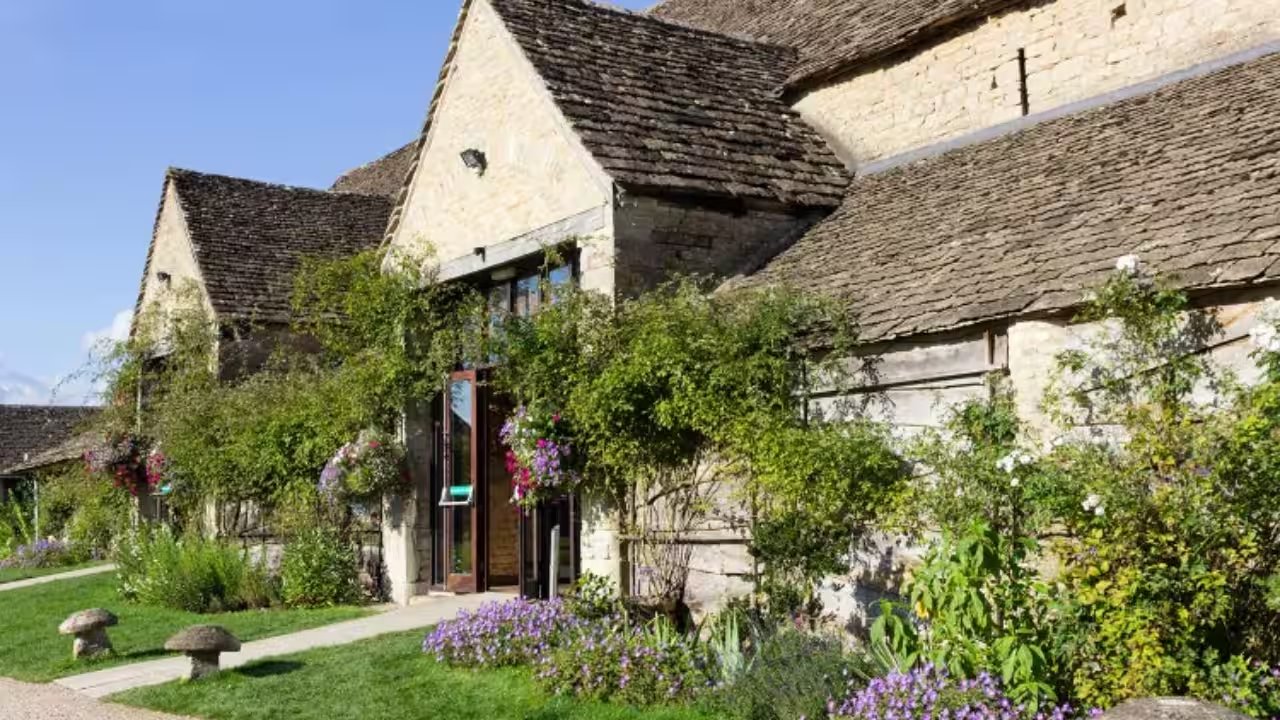
The Great Tythe Barn in Long Newnton went silent on November 2, 2026, not from a wedding toast, but from the rumble of a controlled detonation. Head gardener Kevin Roberts and subcontractor John Blundell were digging a trench for a solar field when their shovels hit something that looked like a fractured gas main. They brushed the mud away. The metal fins were unmistakable. Roberts told the Wilts and Gloucestershire Standard they recognized the objects as live mortars within minutes and immediately dropped their tools.
Gloucestershire Police arrived to find the two men pointing at five corroded objects buried in the Cotswolds earth. Officers established a 200-metre exclusion zone. The venue, a popular spot for weddings, locked its gates. Guests lingering from a weekend event and nearby residents fled the area. The planned solar installation died on the spot.
An Explosive Ordnance Disposal operator identified the devices as German. The Army confirmed the five mortars were destroyed in a controlled blast. Roberts noted the objects initially resembled ordinary construction debris, a dangerous illusion that persists in British soil. The venue warned on social media that further items had been spotted, signaling the search might not be over.
The solar project is paused indefinitely. Police are reviewing the perimeter. For now, the Cotswolds ground is quiet, but the memory of 1944 is heavy in the air.