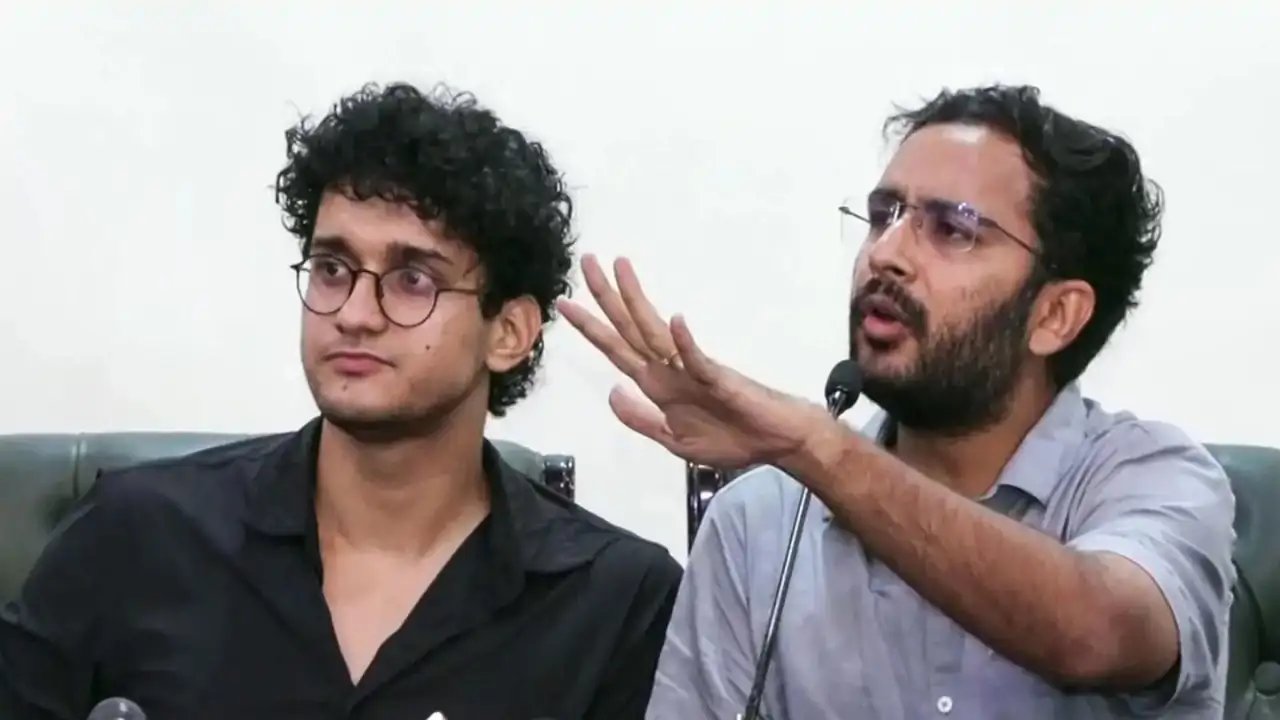
Saurav Das and Ashutosh Ranka walked out of the Special Executive Magistrate’s court at Mandir Marg police station on Friday with a message louder than the legal proceedings they just endured. The Cockroach Janta Party (CJP) leaders, who had come in to verify their sureties, used the exit interview to strike directly at the head of India's electoral system. Das did not mince words. He called the resignation of Chief Election Commissioner Gyanesh Kumar “inevitable,” a stark accusation that lands in the middle of ongoing protests against alleged irregularities in the Special Intensive Revision (SIR) of electoral rolls.
The legal mechanics were routine. Ranka confirmed the verification process for their sureties went smoothly and that the court has set the next hearing for the third week of November. But the tension in the corridor was palpable. Das urged the public to respect the judicial process, warning that those leaking information about the proceedings should act responsibly. “We have not been sharing any information with the media about these proceedings,” Das said, adding that the CJP can take action if the leak continues. It’s a defensive line, drawing a boundary between their public agitation and the closed-door legal battles currently unfolding.
The question everyone wants answered is simple: what happens if the state moves to jail them? Ranka, adopting the tone of a seasoned rebel, dismissed the fear. “We are not leaders; we are custodians of this platform,” he told reporters. “The movement will continue whether we are in jail or outside.” He argued that the group has already studied the regime’s operating patterns and will evolve its tactics as necessary. Das reinforced this, stating that future decisions would be made collectively by the broader movement, not just by the CJP hierarchy.
This isn't just a legal technicality for the CJP. It’s a direct challenge to the legitimacy of the SIR process, which they claim is rife with irregularities. By linking the legal proceedings to the CEC’s job security, they are keeping the pressure on Gyanesh Kumar even while their lawyers file papers in Delhi. The movement’s strategy is clear: make the cost of inaction higher than the cost of concession. The next date in the third week of November will be the next flashpoint, where the court’s decision on their sureties could either grant them breathing room or trigger the next phase of their agitation.