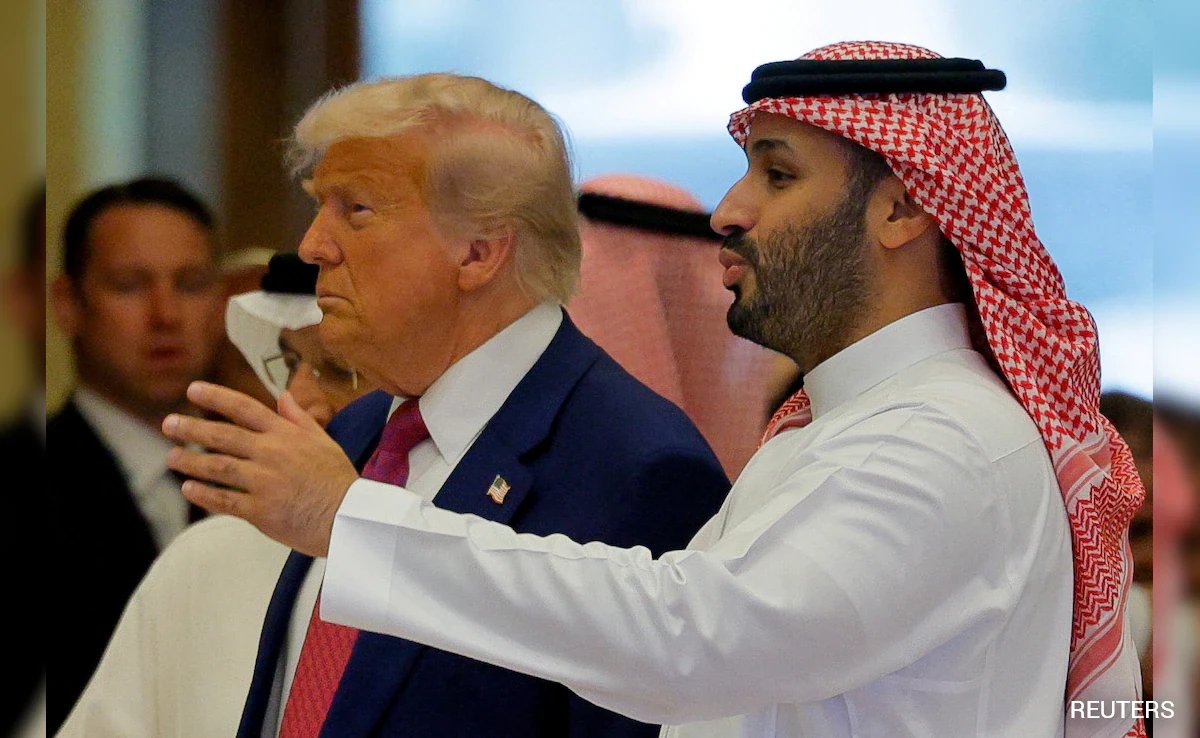
President Donald Trump declined to authorize U.S. air strikes against Iran‑backed Houthi attacks on Saudi Arabia’s southern oil facilities in April 2024, a decision that has left Riyadh scrambling for a new security posture.
The Houthis have intensified their campaign, striking oil terminals, launching missiles and drones, and even seizing control of strategic positions near the Bab al‑Mandeb Strait, threatening the flow of global shipping.
Washington, meanwhile, has continued to supply Saudi Arabia with weapons, intelligence, and advanced air‑defence systems, and last week approved a $24.3 billion sale of F‑35 fighter jets that will take years to deliver.
The refusal to conduct air strikes, however, has rattled Saudi leadership, with officials warning that the U.S. is no longer willing to step in when Riyadh’s vital interests feel threatened.
In response, Saudi Arabia has called for a reassessment of its reliance on U.S. military support and is reportedly exploring alternative defense arrangements, including closer cooperation with regional partners and increased domestic missile production.
The U.S. and Saudi Arabia will reconvene in late May to discuss the next steps in their security partnership, a meeting that many analysts say will decide whether the alliance remains intact or fractures under the pressure of Houthi aggression.