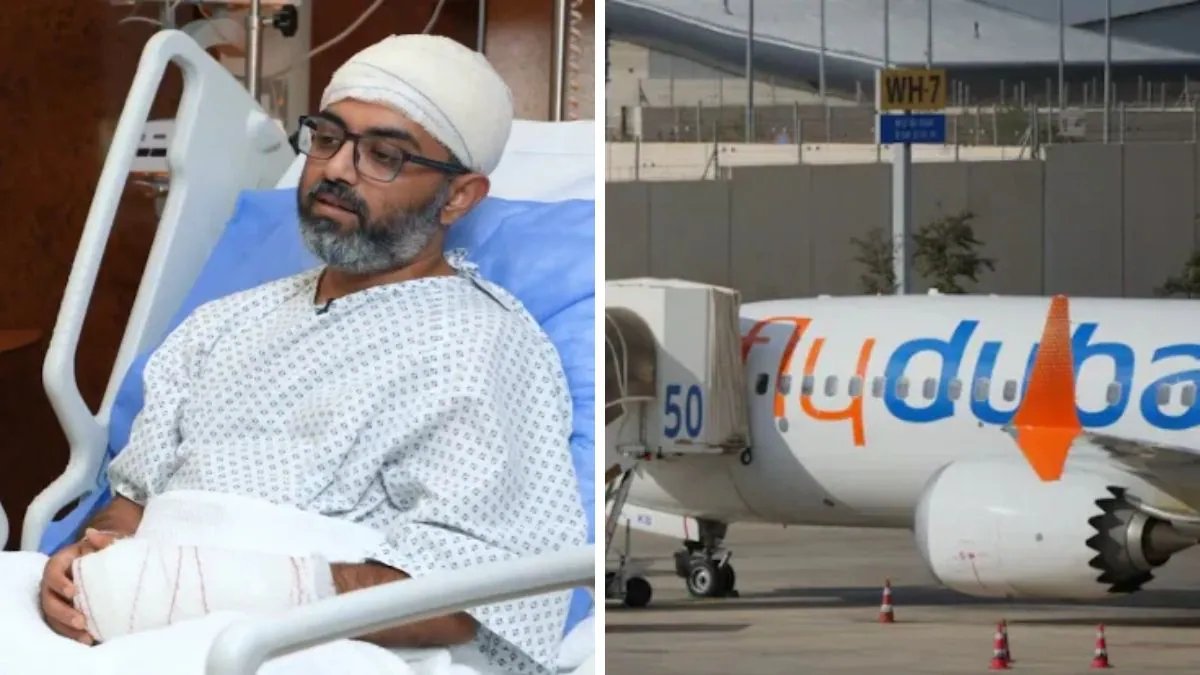
Captain Smit Machchhar barely kept his eyes open. The Omani co-pilot, Hammam Al-Hammami, had lunged from behind with a cockpit axe, striking the Indian pilot’s head with enough force to send him slipping in and out of consciousness. Machchhar, now speaking from a hospital bed to Sky News Arabia, described the moment as a sudden, violent blow to the back of his skull while he was checking flight timings. He didn’t see the weapon coming. He only felt the impact.
The attack unfolded during a routine flight to Tel Aviv, a route that made the hijack attempt particularly sinister. Al-Hammami had feigned prayer, standing up in the cramped 737 cockpit to lower Machchhar’s guard. “Out of respect for someone who’s praying, I try not to look at them,” Machchhar recalled, his voice steady despite the trauma. That moment of deference became the window for the assault. Machchhar’s struggle to keep the cockpit door open prevented Al-Hammami from seizing full control of the aircraft.
The plane did not crash into a Tel Aviv building. Instead, it limped into Saudi Arabia’s Tabuk, where off-duty pilots took over the controls and landed the jet safely. Machchhar was rushed to the hospital in serious condition, while Al-Hammami was arrested on the tarmac. The incident has drawn global attention, with Israeli Prime Minister Benjamin Netanyahu, Indian Prime Minister Narendra Modi, and US President Donald Trump hailing the flydubai captain’s bravery.
The arrest of Al-Hammami is part of a broader security crackdown. Last week, Dubai authorities detained two additional flydubai pilots on suspicion of planning a terror attack. Both men had previously flown to Israel and had worked alongside Al-Hammami. The investigation now centers on a critical failure: Al-Hammami had been barred from flying in Oman due to extremist views, yet he remained active in the UAE.
Authorities are probing how a pilot with a chequered past was permitted to operate a commercial flight carrying Israeli passengers. The case has exposed significant gaps in cross-border aviation security and vetting protocols. For Machchhar, the aftermath is a blur of hospital lights and fragmented memories. But for the 174 passengers who made it home, his split-second decision to fight back was the only thing standing between them and disaster.