A Tehran travel agent, speaking on condition of anonymity, reported that flights to Baghdad, Muscat, and Qatar were halted on Wednesday. "The situation is unstable, and we are no longer selling tickets for the time being for fear of cancellations," the agent told AFP. Georgia and Azerbaijan have officially confirmed suspending flights.
US Treasury Secretary Scott Bessent delivered the hammer blow on Monday, framing the new measures as part of a broader threat to impose "economic D-Day" on Iran. He claimed the move was an attempt to force Tehran into submission following nearly seven months of war. "We are squeezing the Iranians like they've never seen, probably more than 80 or 90 percent of external flights from Iran got shut down," Bessent told Fox News on Wednesday. He added, with a touch of dark humor, "I'm not sure how the Iranian representatives at the UN are going to get home."
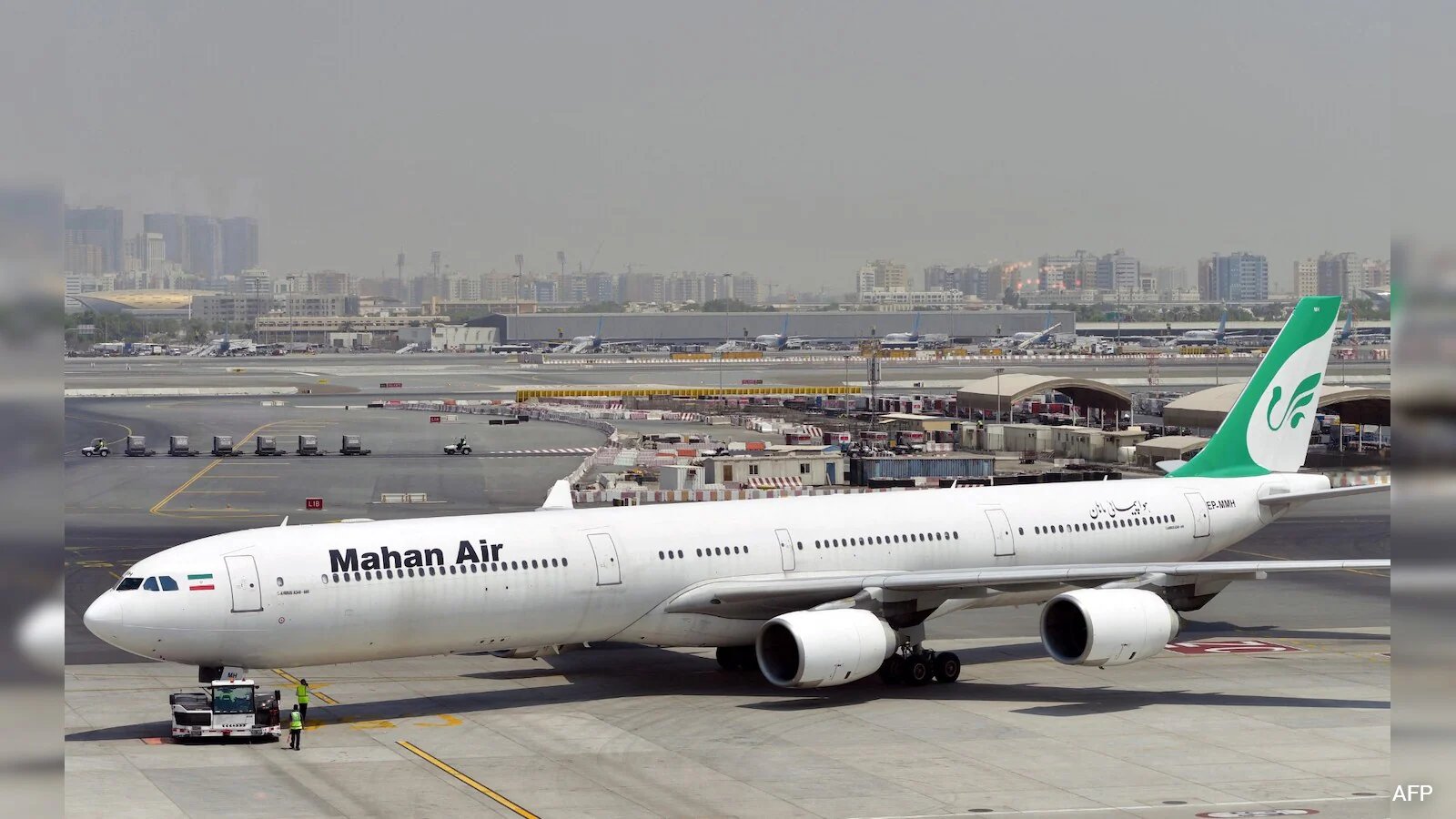
President Massoud Pezeshkian, currently in New York for the United Nations General Assembly, struck a defiant tone. "The resistance of the Iranian people will only intensify in the face of sanctions, mounting pressure and growing intimidation," he said. The aviation sector has long been a target, but the scope of this shutdown is unprecedented. China, which called the sanctions illegal on Tuesday, remains a vital lifeline: a Mahan Air flight from Tehran landed in Guangzhou on Wednesday, and a service to Shanghai was scheduled to depart.
Mohsen Rezaei, head of Iran's supreme national security council, warned neighboring countries against compliance. "If a country cooperates with or embarks on adventures with the United States, its airports will no longer be able to operate flights to Iran," he told state TV. In Najaf, Iraq, the suspension has created panic among travel agents. Haidar Shamaa, an agent in the city, noted that most local companies depend on booking flights to Iranian airports and are now advising clients to switch to much longer land routes.