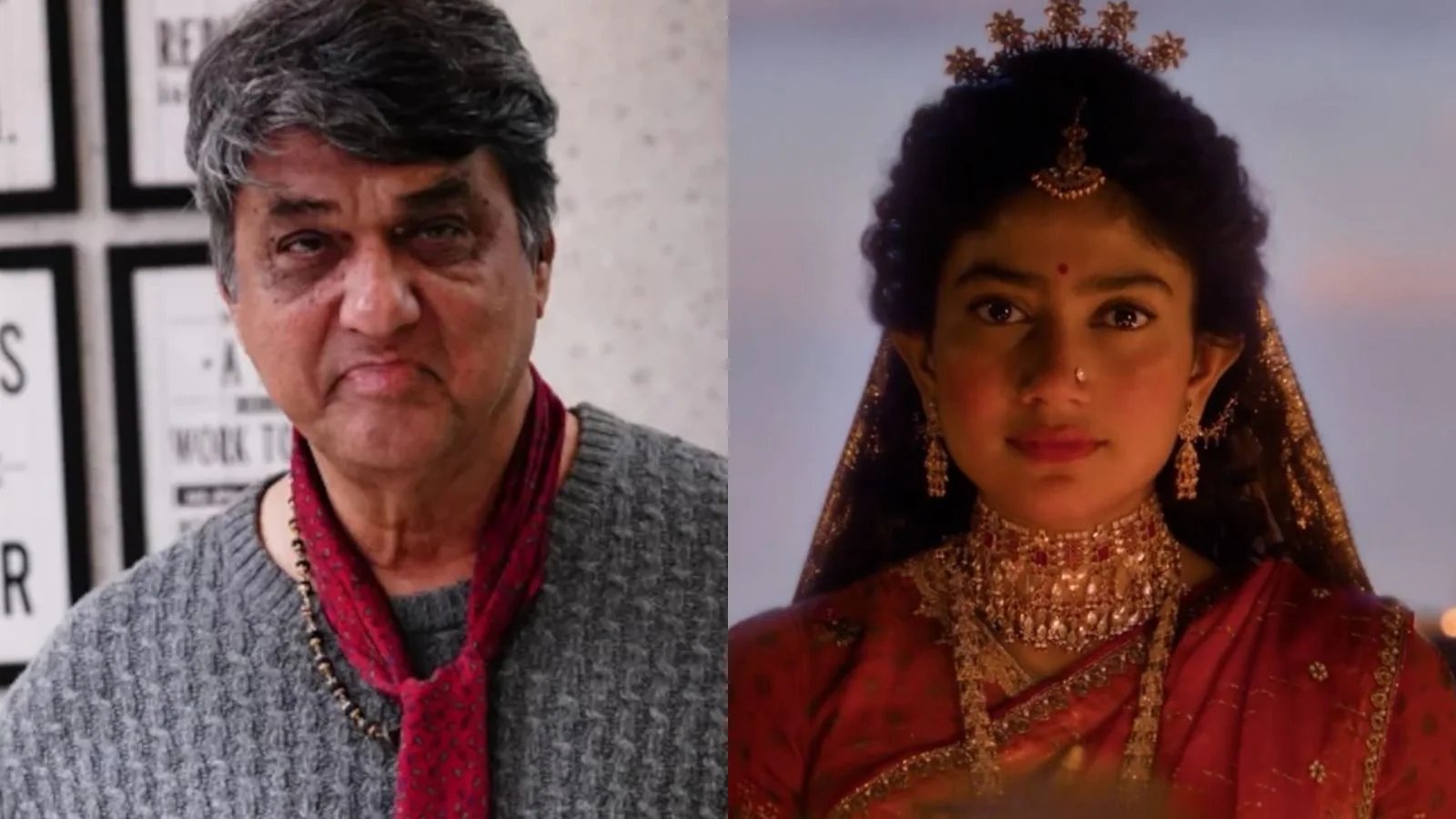
Mukesh Khanna has picked his latest ideological battle. This time, his sights are locked squarely on Sai Pallavi's turn as Sita in the cinematic adaptation of Ramayana. In a blunt video monologue posted to his personal channel, the veteran television actor tore into what he described as an absurd, revisionist gamble: turning the mythological matriarch into a demon-kicking action heroine. He pulled no punches. "Sharm aani chahiye aapko," Khanna said directly to the filmmakers. You should be ashamed.
The irony is stark. Khanna openly admitted he has not watched the film. Instead, he built his broadside on internet chatter, published reactions, and commentary flagging specific fight sequences. According to Khanna, accounts circulating online described Sai Pallavi's Sita kicking, striking, and physically battling two or three demons in hand-to-hand combat. That single revelation set him off.
Khanna anchored his critique in classical scriptural text. "I checked," Khanna insisted. "Nothing like this exists in Valmiki’s Ramayana." To Khanna, Sita's strength rests on moral fortitude and absolute devotion across a grueling 14-year forest exile alongside Maryada Purushottam Ram. She walked into banishment not out of personal fault, but to honor the solemn vow Ram made to Kaikeyi. She never demanded royal luxuries. Swapping that spiritual dignity for martial combat, Khanna argued, fractures the emotional spine of the story.
He also questioned the internal logic of the narrative. If Sita commanded the physical strength to overpower multiple demons in the wild, Khanna asked, why did she surrender without a fight when Ravana arrived to abduct her? "If she had been a fighter, she could have fought Ravana then as well," Khanna pointed out. Under that reinterpretation, the defining abduction scene loses its dramatic reality.
Khanna linked the creative departure to an attempt to court contemporary ideological trends. He argued that filmmakers are turning Sita into an anachronistic warrior like Rani Lakshmibai of Jhansi simply to placate modern feminist discourse. Sita represented herself, Khanna maintained, and using sacred epics to flatter contemporary sensibilities corrupts the source material.
Recalling a traditional Ramlila he attended barely six weeks ago where audiences watched the staging with folded hands, Khanna warned that cinema cannot substitute martial arts for sacred heritage. Whether the film's creative unit responds to Khanna's outburst or lets Sai Pallavi's on-screen performance answer the criticism will test how much creative license Indian epic cinema can claim.