On 1 November, Delhi Transport Minister Pankaj Kumar Singh ordered 39 enforcement teams to patrol 13 major border checkpoints and toll plazas around the city, ensuring that only vehicles meeting Bharat Stage‑VI (BS‑VI) emission standards could cross into Delhi.
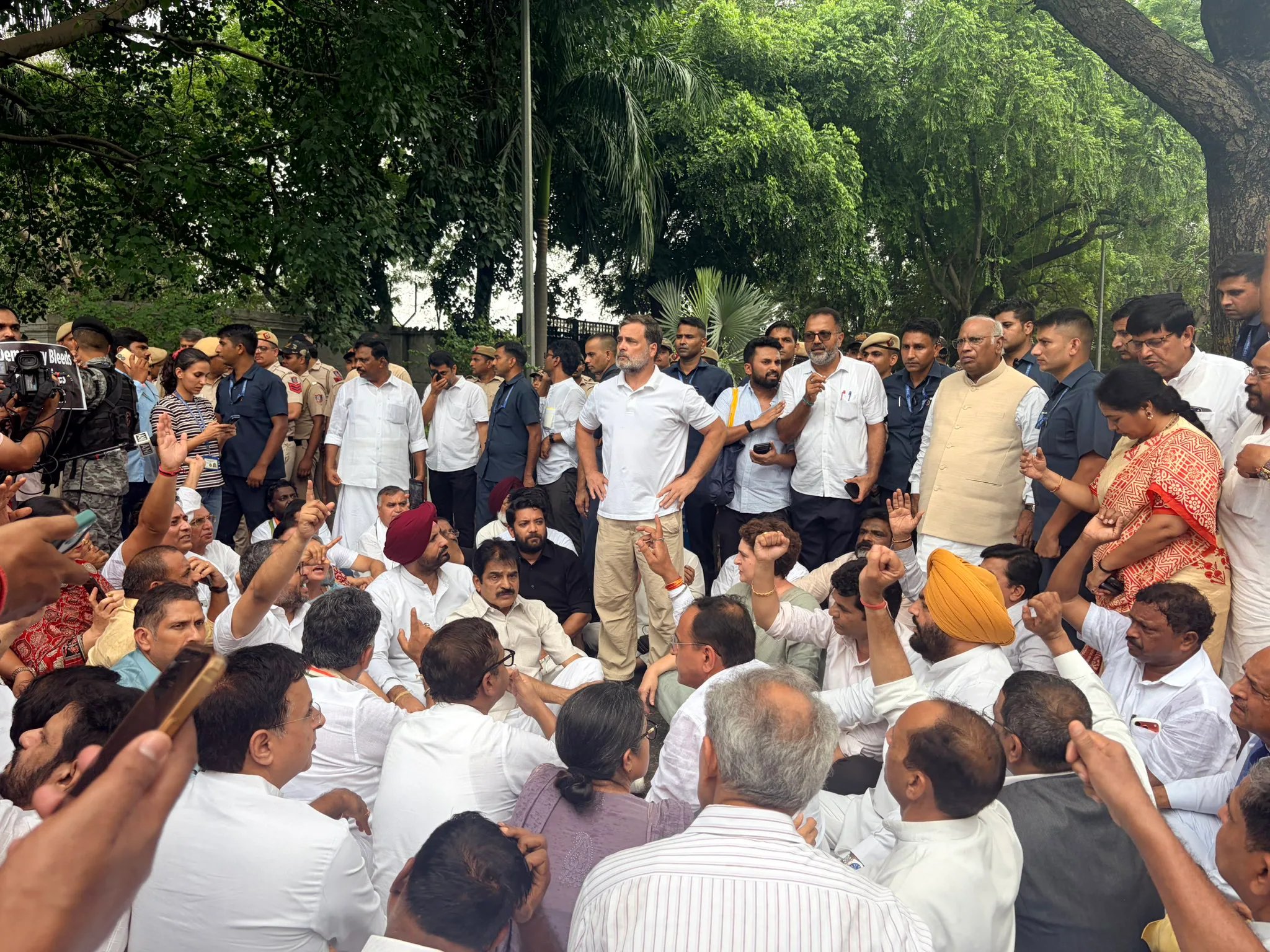
The curbs, effective until 31 January 2027, target petrol and diesel vehicles registered outside Delhi that do not meet BS‑VI standards, while CNG, electric, and Delhi‑registered buses remain exempt. The move comes as the Congress‑led INDIA bloc’s 1 Nov rally at Ramlila Maidan draws support from neighboring states, with the Chamber of Trade and Industry estimating that 15,000 to 20,000 protest buses could arrive.
Earlier this month, the Transport Department had already seized 145 buses and 558 overloaded vehicles, and issued 4,572 challans for invalid Pollution Under Control Certificates, highlighting the authorities’ mounting pressure on non‑compliant fleets. Additional enforcement included 48 cases of visible smoke and 15 involving building materials, while four teams were tasked with removing end‑of‑life vehicles for scrapping.
Trade bodies have warned that the rally could disrupt traffic and affect business in nearly 20 major markets around Ramlila Maidan, urging Rahul Gandhi to postpone the protest until after Diwali. Gandhi, however, has reaffirmed that the opposition will go ahead, citing the campaign’s demand for the resignation of Chief Election Commissioner Gyanesh Kumar.
Delhi Police have granted a no‑objection certificate for the rally, but the new vehicle restrictions leave the organisers scrambling to secure alternate transport. The next day, Congress will decide whether to proceed or shift the date, while city officials will monitor the impact on air quality and traffic flow.