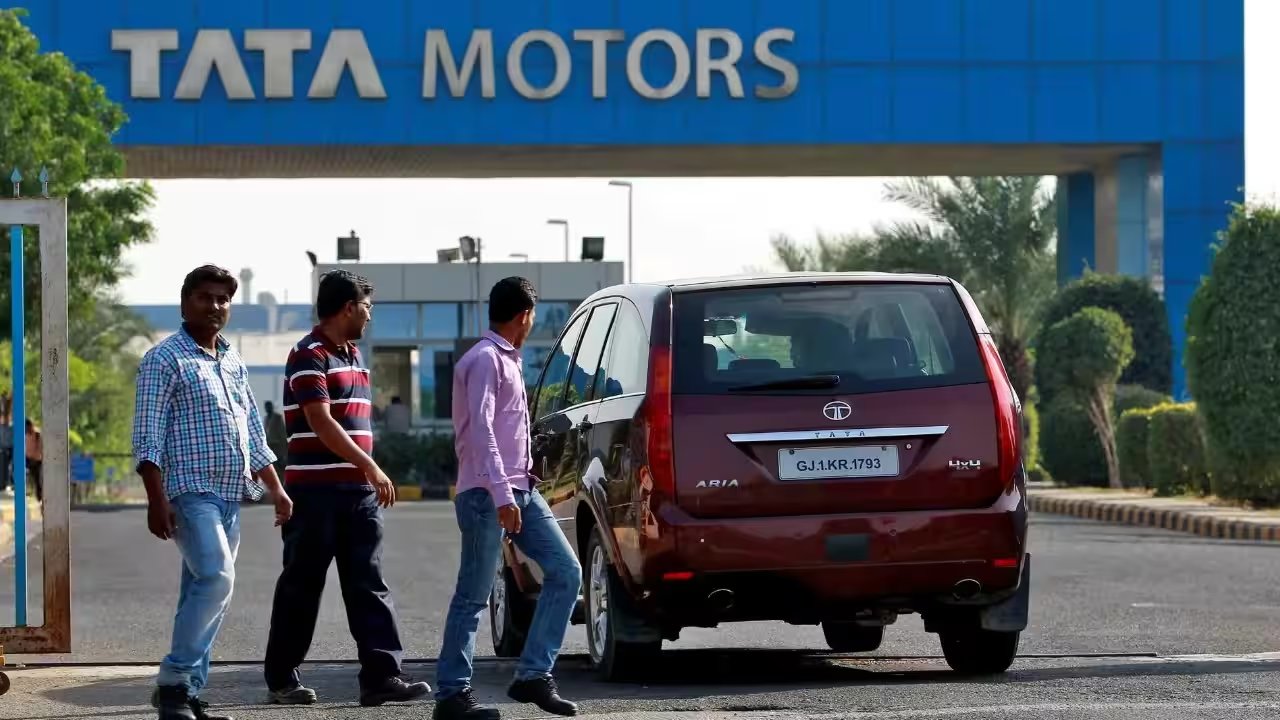
When Tata Motors announced the Aeris, buyers instantly wonder how it will fit into a market where input costs are climbing and every extra rupee counts. Shailesh Chandra, Tata’s Passenger Vehicles MD, pointed out that commodity inflation over the past five to six months has nudged costs up by roughly 3%, with a 0.5‑percentage‑point swing in some components. The company is matching that rise with faster cost‑reductions, a balancing act that will shape the Aeris’s price and features.
The Aeris will arrive in two power‑train configurations: a petrol engine and a CNG‑friendly version, both aimed at the family‑buyer segment that craves reliability and low running costs. There won’t be an electric version this time, as Tata wants to keep the Aeris distinct from its growing EV lineup and avoid internal overlap.
With compact sedans making up about 3.5 lakh units a year—roughly 80‑85% of India’s sedan market—the Aeris will be in direct competition with the Hyundai Verna, the Toyota Corolla Altis, and the Maruti Suzuki Celerio, offering a middle‑ground between budget and premium. Last year’s volume growth of 25‑26% and the fact that 65% of demand comes from personal buyers underline the segment’s resilience even as costs rise.
At the same time, Tata is bracing for continued pressure on electronic components, with chips on the brink of a price spike because of the AI boom. On the EV front, demand is outpacing supply, a supply‑side constraint that has kept Tata’s electric models from penetrating the market as quickly as the brand hopes.
Tata has not yet disclosed a precise launch window for the Aeris, but insiders say the sedan will be ready for showrooms in the next few months, likely beginning in the major metros before expanding to smaller cities. Buyers should keep an eye on how Tata manages component costs and whether the company pinches the price to stay competitive in a crowded segment.