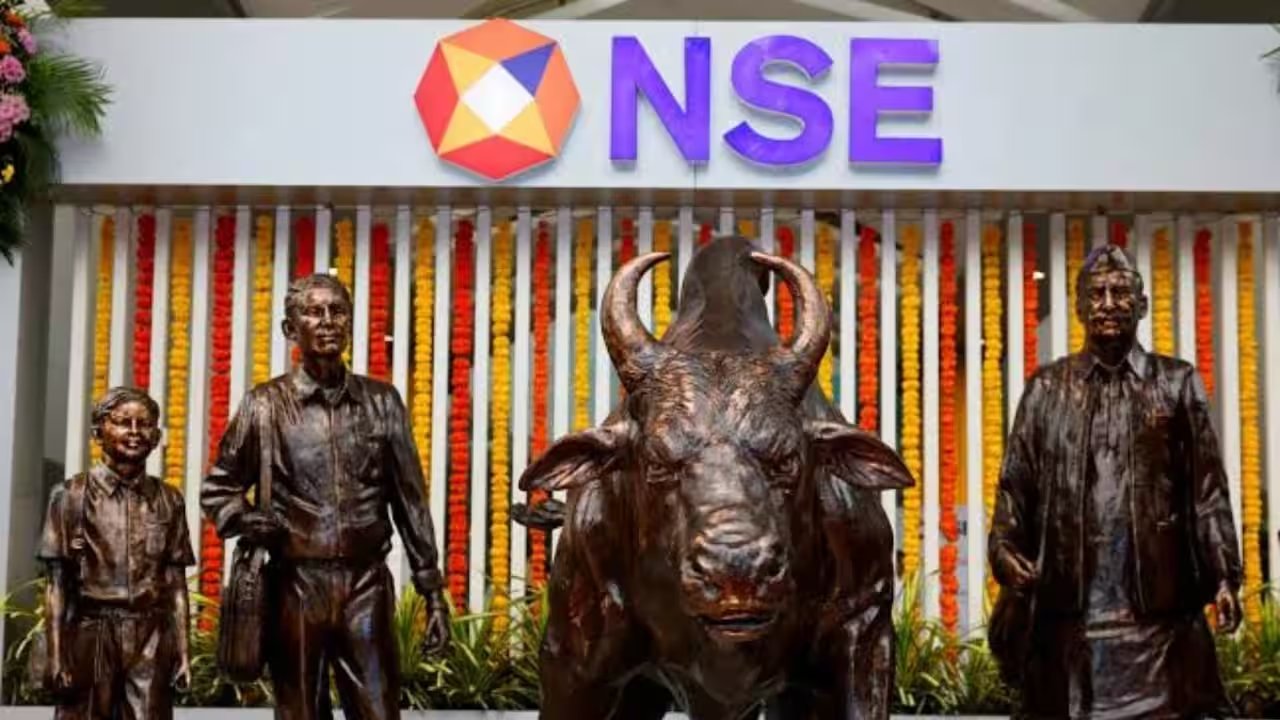
Tuesday’s trading session turned chaotic in the final minutes. Between 15:20:00 and 15:20:30, the Nifty 50 ripped higher by more than 300 points—a 1.5% jump in half a minute. Then it crashed. The index shed roughly 240 points (1.1%) in the next eight minutes. The Sensex mirrored the volatility, spiking 350 points (0.5%) before pulling back, though the damage was less severe than its counterpart. This erratic behavior marked a return to form for the Closing Auction Session, which had been quiet for two weeks. It happened precisely as weekly derivatives contracts on the NSE expired.
Despite the wild ride, the market ended in the green. The Nifty closed at 22,776, up 220 points (1%), while the Sensex gained 685 points (1%). It was the second straight day of gains. The fuel for this rally? Crude oil. Brent crude slipped below the $100/barrel psychological barrier after a massive G7 stockpile release and alternative supply measures eased fears around the Strait of Hormuz. "Coupled with strong Q2 business updates from financials and retail... the decline in oil prices improved investors' sentiment and supported a rebound from the oversold levels," Vinod Nair, head of research at Geojit Investments, noted.
The money flow tells a different story than the index chart. BSE data showed foreign funds net sold ₹2,961 crore worth of equities on Tuesday. That’s a significant exit. Yet, domestic institutions stepped in with a ₹5,089 crore net buy. This divergence suggests domestic players are absorbing the foreign outflow, likely bet on the upcoming earnings season. Nair pointed to weak sequential expectations due to elevated input costs, calling the current dip a "silver lining" for bargain hunters.
All eyes now turn to the Reserve Bank of India. The RBI policy decision lands Wednesday. Traders are bracing for clarity on inflation and potential further tightening. "Market players said Dalal Street investors would remain cautious ahead of the RBI policy decision on Wednesday, with the focus firmly on the central bank's inflation outlook," Nair added. Meanwhile, SEBI is moving to tweak CAS rules to curb this kind of end-of-day volatility.