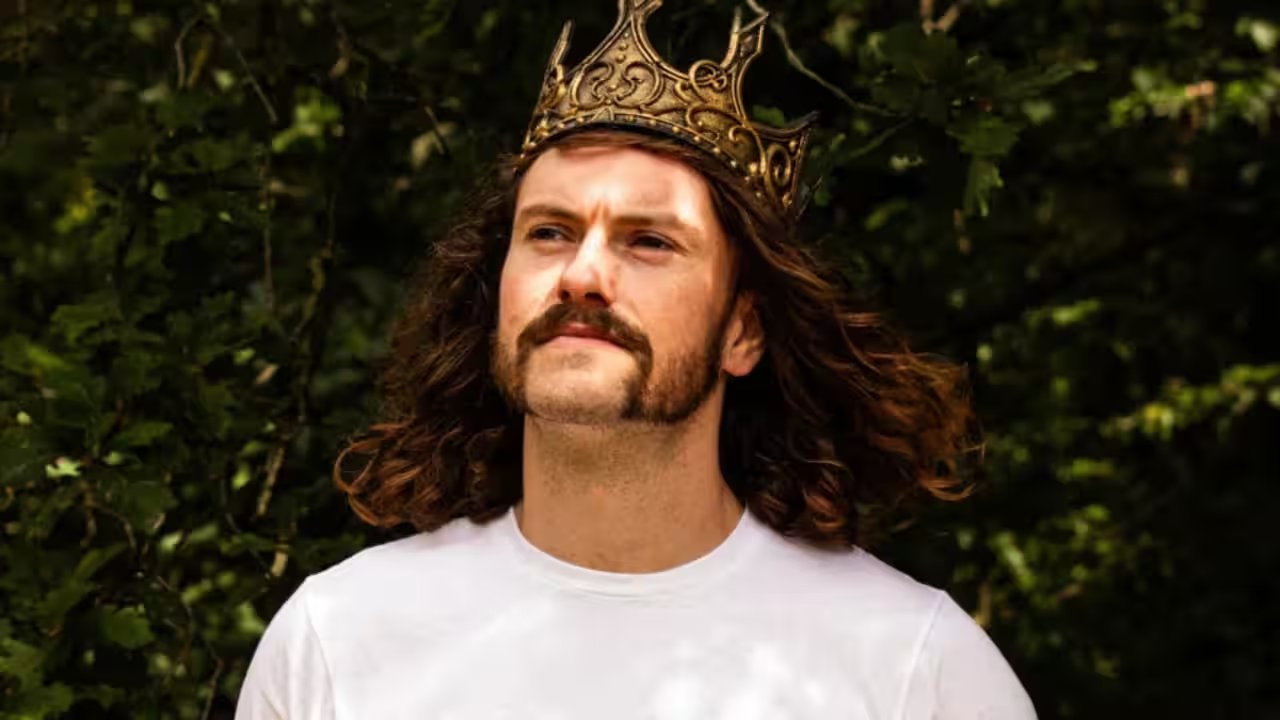
Iain Ward’s story began in 2019 when he volunteered for a medical trial that included an MRI scan of his brain – a test he had never needed before. The scan flagged a small, previously unnoticed tumour, and six months later a follow‑up scan revealed it was growing fast enough to be classified as glioblastoma, a notoriously aggressive brain cancer.
When Ward entered the operating room, he was awake and alert, a technique called awake brain surgery. Doctors monitored his speech and motor skills in real time, allowing them to remove the tumour while preserving vital functions. “Being conscious during the operation gave me a sense of control and helped surgeons avoid critical areas,” Ward told a recent interview.
Early detection matters. Although Ward had no headaches or other warning signs, the MRI caught the tumour before symptoms appeared, underscoring the value of imaging for high‑risk individuals or those undergoing research studies. If you’re scheduled for a scan, ask the radiologist what they’re specifically looking for and whether any incidental findings could be clinically significant.
For anyone facing a brain tumour diagnosis, the takeaway is twofold: first, routine imaging can catch tumours early when they are more treatable; second, awake surgery can reduce the risk of neurological damage. If an abnormality is found, discuss the possibility of conscious surgery with your neurosurgeon. Always consult a qualified medical professional before making any decisions about treatment options.