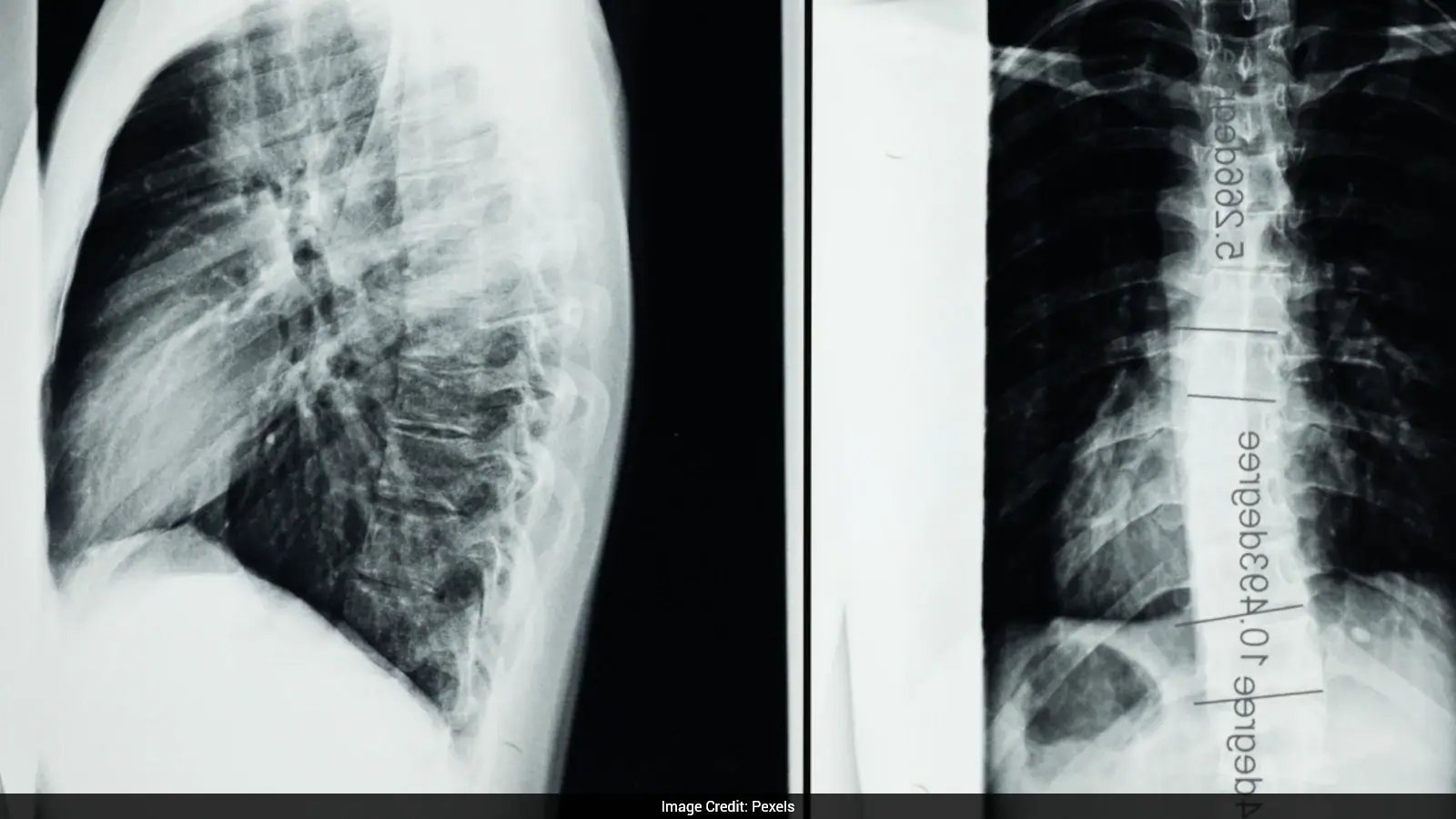
In a landmark operation, surgeons at Moscow’s Sklifosovsky Institute replaced a three‑year‑old severed spinal segment with tissue from a brain‑dead donor, leaving the patient stable.
Ren Xiaoping, a Chinese neurosurgeon, explained that the team used microsurgery and polyethylene glycol—a glue that bonds cell membranes—to fuse the new cord into the patient’s existing spine. The 12‑hour procedure required close coordination between Chinese and Russian teams.
The operation marks the first documented spinal cord transplant in humans, following earlier animal studies that hinted at the possibility of re‑establishing nerve pathways. If the technique proves reproducible, it could reshape treatment for paralysis.
While the patient’s recovery is encouraging, doctors caution that the procedure remains experimental and outcomes may vary. Patients with spinal injuries should consult specialists to explore emerging therapies.