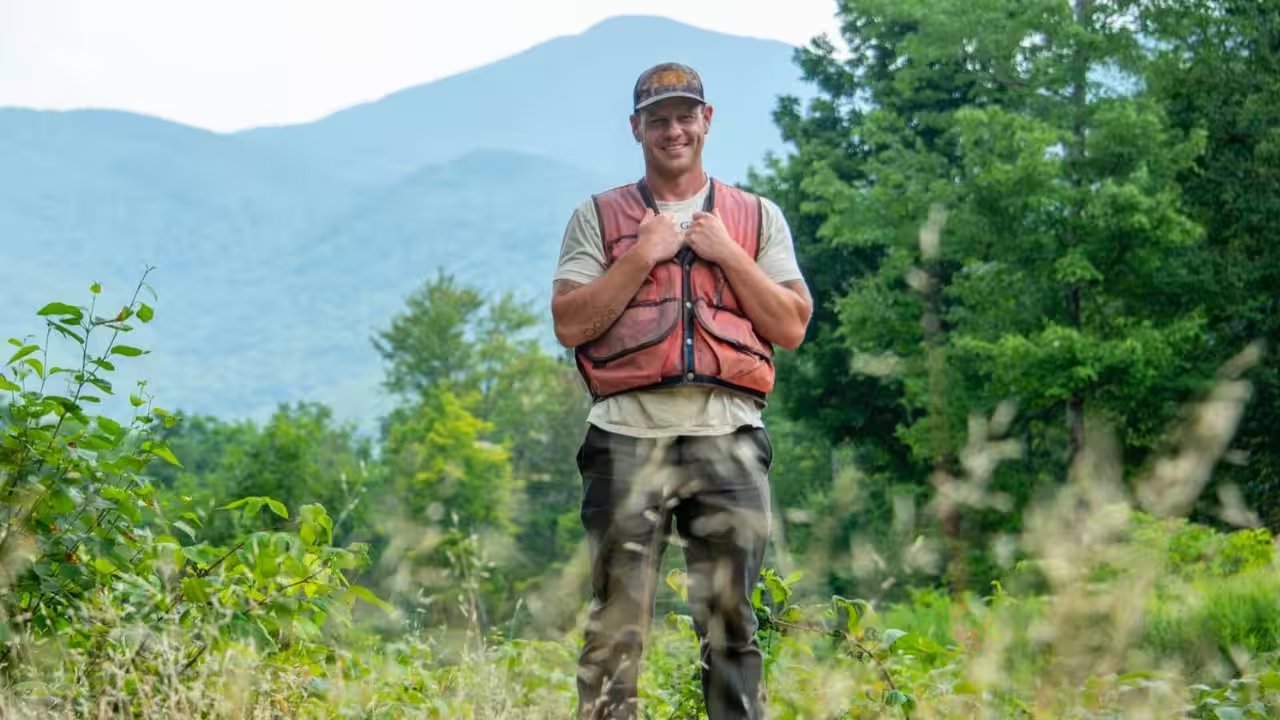
Ethan Tapper bought 175 acres of degraded woodland in Bolton, Vermont, in 2017, and turned it into a thriving ecosystem that now hosts a 20‑foot pond, a mixed understory of ferns and bracken, and more than 100 fruit trees.
The land had suffered from years of logging, diseased beech stumps, and invasive plants that clogged the soil. Tapper cut selectively, removed 200 diseased trees, and planted 30,000 acorns along eroded trails, stabilizing them with mulch.
He rented an excavator with a friend and excavated a rubbish‑filled clearing into a pond roughly 20 feet deep. Within months, frogs and salamanders colonised it, turning the spot into a micro‑habitat for amphibians.
Audubon now records American redstarts, veeries, and mourning warblers nesting there. In 2023, Tapper became one of the first Vermont foresters endorsed by the organization, and in 2022 he donated a conservation easement that locks the land’s future as a protected habitat.
Tapper shares his experience in his 2024 book, How to Love a Forest, and through talks and social media he argues that selective cutting, invasive species control, and habitat creation can reverse the damage of past land use.