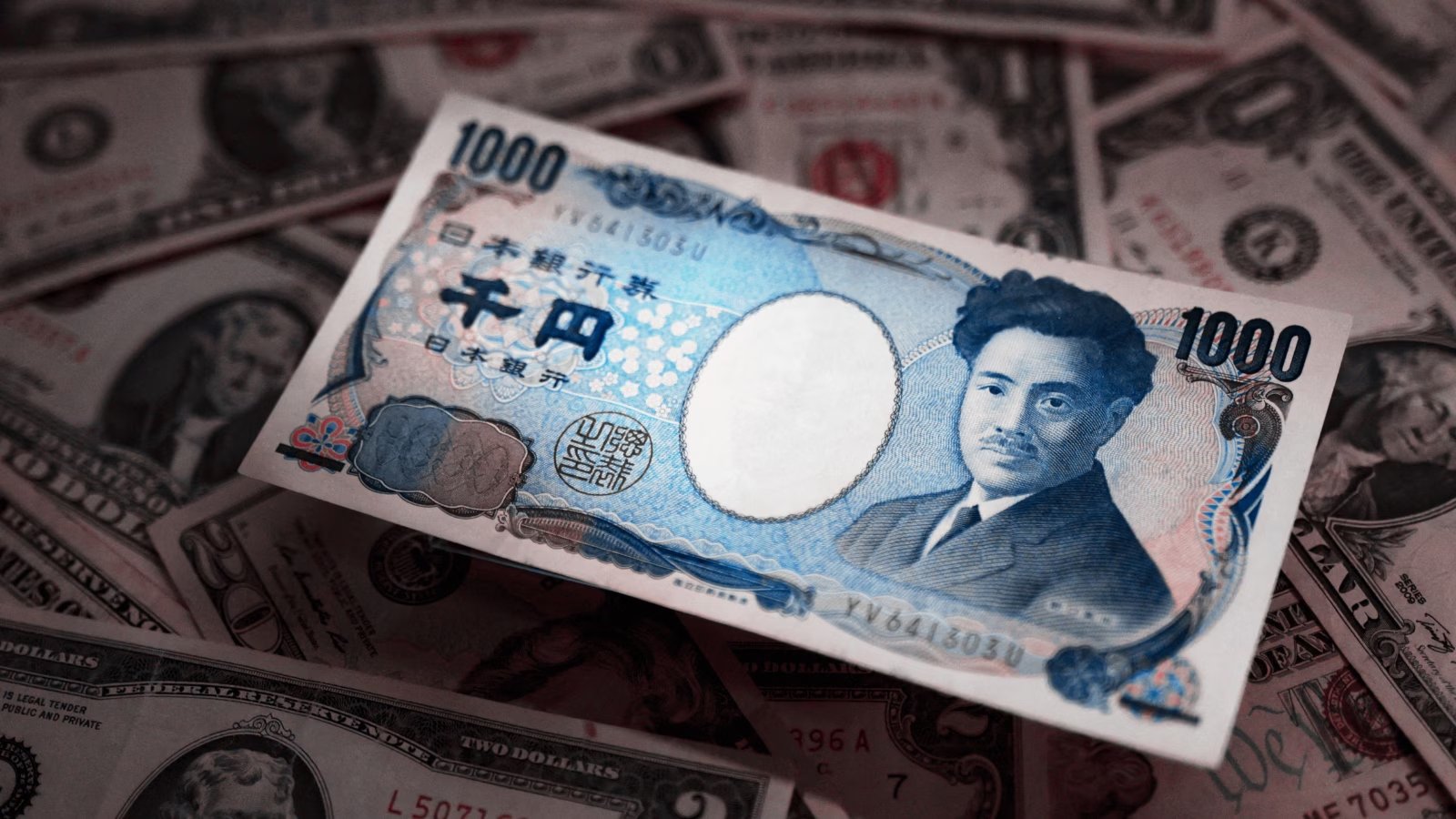
The Bank of Japan moved 25 basis points higher today, pushing the overnight call rate to 1.25%. That is the highest benchmark rate in Japan since 1995. The board voted 7-2 to approve the move, a clear signal of consensus despite internal dissent.
Why the hike? Underlying inflation is hovering near the 2% target, and financial conditions remain loose. The central bank warned that prices could overshoot that target. They also flagged risks from West Asia developments, AI-driven demand, and currency volatility. Governor Kazuo Ueda’s statement later today will be the key to deciphering the pace of future tightening.
The market reaction is mixed. The Japanese Yen has actually weakened, trading at 156.16 against the US Dollar. That follows Friday’s data showing August inflation came in slightly below expectations. Yet, swap market data from LSEG suggests traders are betting heavily on this trajectory, with an 83% probability assigned to the next rate increase.
This decision lands just a day after Prime Minister Sanae Takaichi reshuffled her cabinet, signaling a shift toward growth-focused policies. For global investors, the interplay between domestic politics and monetary policy in Tokyo is now the primary driver for Asian risk assets. Brent crude, meanwhile, has slipped below the $105 mark, easing some pressure on input costs.