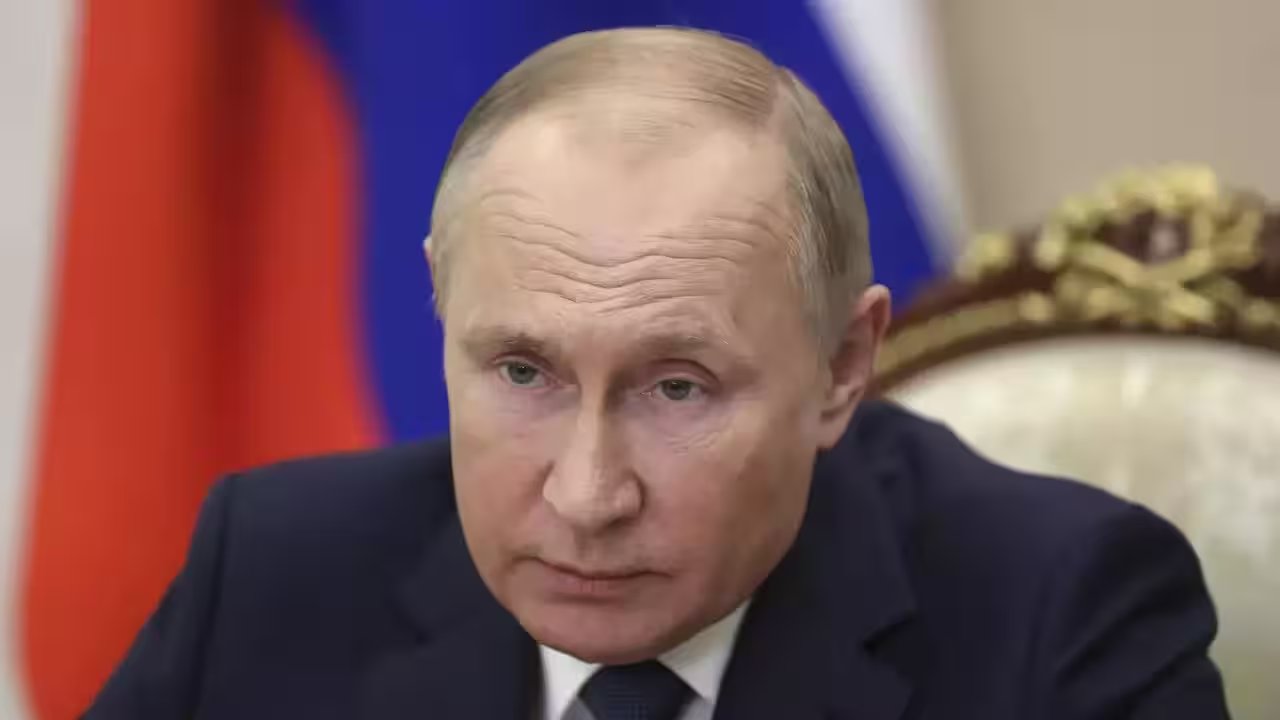
The ink was dry on November 1. Russia is no longer bound by the Council of Europe’s Convention for the Prevention of Torture. For 28 years, from 1998 until this withdrawal, Moscow technically agreed to let European monitors peek behind the curtain of its detention system. That curtain is now pulled shut, permanently.
Alan Mitchell, president of the European Committee for the Prevention of Torture (CPT), confirmed the mandate is dead. "It also marks the end of any independent monitoring of places of deprivation of liberty inside the Russian Federation," he stated. The committee had been tracking a surge in torture allegations since February 2022, covering facilities in occupied Ukrainian territories and deep within Russia. But they couldn’t get in the door.
Moscow’s cooperation has been nonexistent for years. While Ukraine allows CPT access to any detention site and supports public reporting, Russia blocked the publication of almost all its findings. Out of 30 visits between 1998 and 2021, covering over 450 sites, only four reports were ever approved for release. The suppressed files include 10 inspections in Chechnya and the North Caucasus, regions where allegations of abuse have been particularly severe.
The CPT’s role was never about prosecution. It was about prevention through visibility. Delegates could interview detainees in private and enter facilities without restriction. Now that safeguard is gone. Russia joined the Council of Europe in 1996 but left in 2022 after the full-scale invasion of Ukraine. Its exit from this specific treaty completes the severing of ties with European human rights oversight mechanisms.
The CPT will continue its work across the Council of Europe’s remaining 46 member states. But for the millions of people held in Russian custody, the international watchdog has vanished. No further inspections are scheduled. No new reports will be generated. The silence is now institutional.