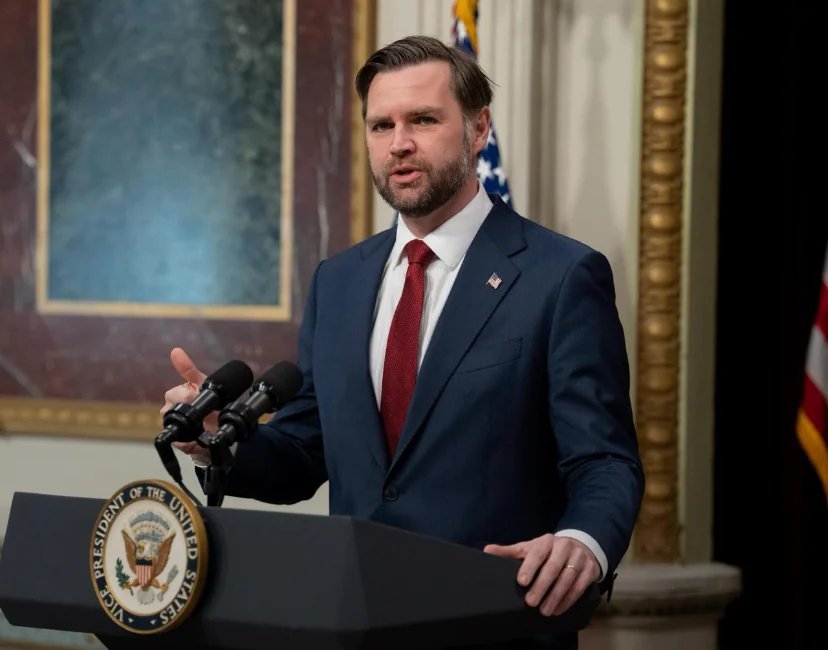
Washington’s bottom line is no longer about intentions; it’s about fuel. In an exclusive interview with Reuters, Vice President JD Vance stated that the US will not accept assurances of future nuclear drawdowns from Tehran. The demand is specific: Iran must drastically reduce its current enrichment capacity. "If you don't want a nuclear weapon, then why do you need 60% enriched fuel?" Vance asked, framing the issue as a basic threshold of commitment rather than a diplomatic nuance.
The complication lies in the vacuum of power in Tehran. Vance admitted that Washington is "unclear" how decisions are made in Iran following the joint US-Israeli strikes that killed Supreme Leader Ayatollah Ali Khamenei at the start of the war. While US officials are in talks with President Masoud Pezeshkian and Foreign Minister Abbas Araqchi, Vance noted it remains ambiguous how much authority they actually wield. Trump echoed this frustration on Tuesday, calling the lack of a clear decision-maker in Iran his "biggest problem." Tehran’s Foreign Ministry, however, pushed back, with spokesperson Esmaeil Baghaei accusing US officials of "contradictory positions and mixed messaging."
The stakes have shifted from geopolitical strategy to domestic politics. The conflict, now in its seventh month, is bleeding the US treasury at a rate of $3 billion per month. This financial hemorrhage has jolted global energy markets, creating a political liability for President Trump and his Republican party ahead of the November midterms. In competitive states where control of Congress hinges on voter sentiment, rising energy prices are putting the administration on the defensive. Vance, a longtime skeptic of foreign entanglements, is now tasked with brokering a settlement that saves the party’s electoral prospects.
The battlefield reality mirrors the diplomatic stalemate. Vance, who has personally spoken with field commanders, dismissed concerns over critical munitions shortages. He noted that while Iranian troops can periodically strike commercial ships in the Strait of Hormuz, they are largely unable to stop energy exports through the waterway. Trump rejected Tehran’s latest offer, signaling that if no agreement is reached, military operations could intensify after the midterms. For now, the US remains open to a deal, but only if Iran trades words for concrete actions on its enrichment program.
The next critical juncture arrives with the November midterms. Vance, currently campaigning in Alaska for Senator Dan Sullivan, is trying to temper criticism of Trump’s handling of the war. He urged voters not to let the conflict distract from broader affordability concerns, though the $3 billion monthly price tag makes that difficult. Whether Vance will seek the presidency in 2028 remains undecided; he called himself an "inherently procrastinator" on the matter. But for now, his focus is singular: forcing Iran to cut its enrichment capacity before the political clock runs out.