Pulling yesterday's dinner out of the fridge for a second round of microwave heat feels harmless. It is not. Cycling cooked dishes back and forth between cold shelves and boiling temperatures turns everyday leftovers into thriving bacterial nurseries. The safest kitchen rule is deceptively simple: reheat a portion exactly once, or throw it out.
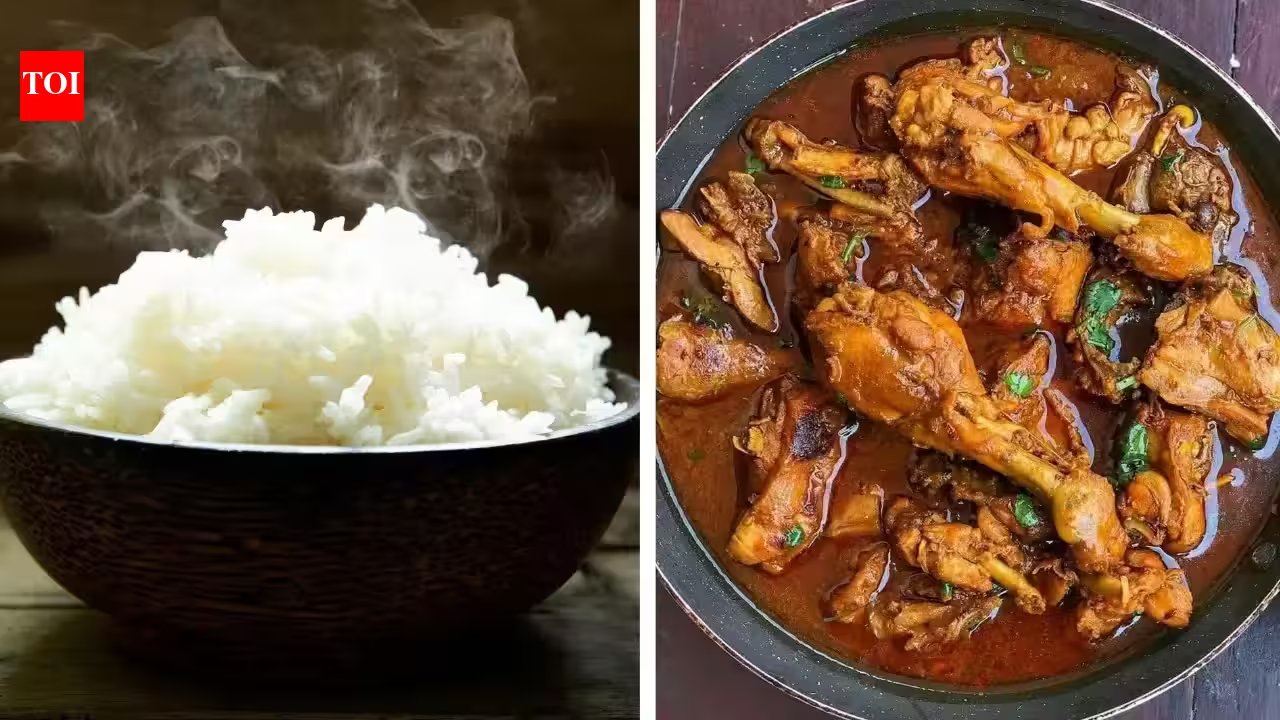
Your leftover basmati or boiled rice demands immediate caution. Uncooked rice frequently harbors spores of Bacillus cereus, a stubborn bacterium capable of surviving initial cooking and producing toxins that trigger acute vomiting and cramps. When warm rice sits on a kitchen counter to cool slowly, those spores germinate into active, multiplying bacteria. Store cooked grains in shallow containers inside the refrigerator within an hour of cooking. When hunger strikes later, scoop out only the exact serving you plan to eat and heat it until steaming. Never warm the entire pot twice.
Poultry dishes require identical discipline. That rich chicken curry tastes better the second day, but repeatedly heating the main vessel destabilizes the meat and encourages rapid microbial growth during every lukewarm interval. Break large batches into single-meal Pyrex bowls before chilling them. The rule also applies strictly to seafood. Fish fillets and prawn curries break down faster than red meats, and repeated temperature shocks degrade protein texture while elevating food-safety hazards. If fresh fish stays at room temperature for hours, discarding it remains the only sensible call.
Egg preparations present an identical trap. Scrambled eggs, breakfast omelettes, and spiced egg curries spoil quickly when left exposed on dining tables after a meal. Once cooked, seal egg dishes and slide them directly into cold storage. Scorching them repeatedly dries out the curds and invites bacterial contamination.
Creamy dinners demand extra vigilance. Paneer butter masala, white-sauce pasta, and milk-based gravies create rich, moist environments where microbes multiply rapidly if left out on kitchen slabs. Once dairy sauces drop to room temperature, spoil rates jump. Pack creamy curries into compact glass dishes, chill them promptly, and pull out only what fits your dinner plate for that final, single reheat.