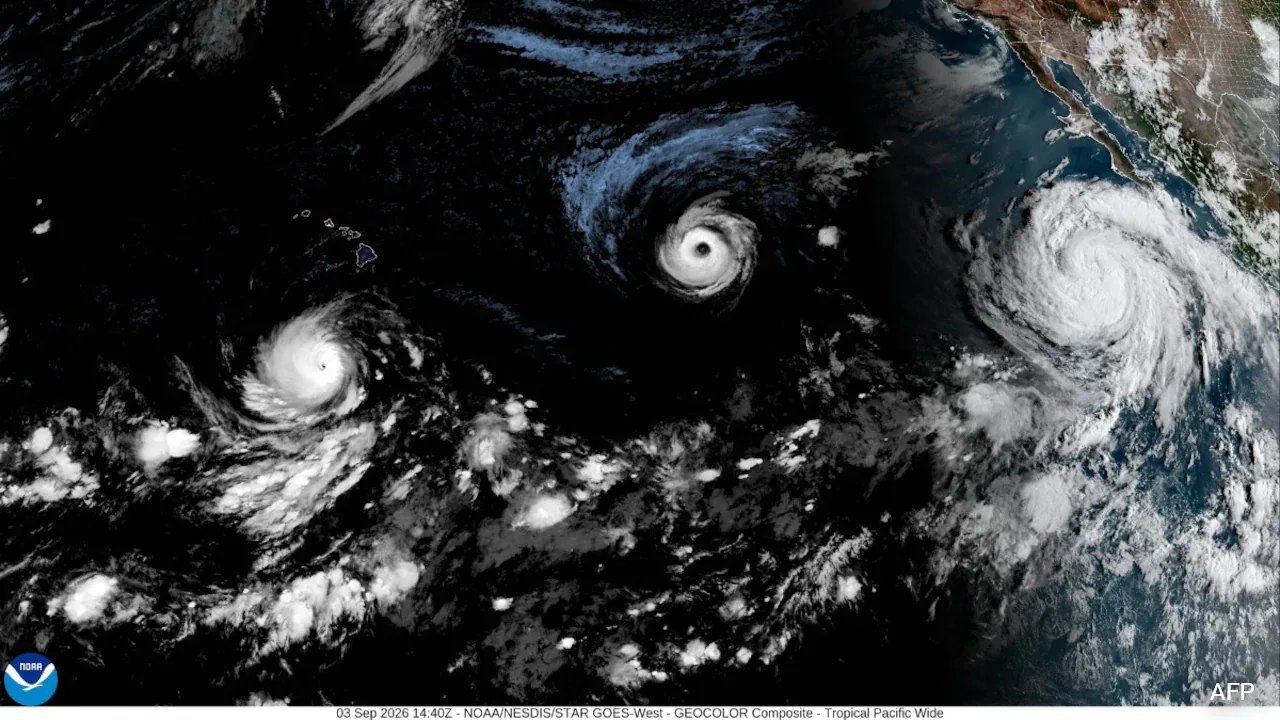
As 2026 closes, oceanographers report that El Nino is intensifying across the Pacific, with sea surface temperatures climbing to record highs.
A new generation of satellite instruments—like the Oceanic High‑Resolution Current Sensor—alongside swarms of low‑cost autonomous drifters, is capturing rapid, fine‑scale current changes that previously slipped through the radar.
These currents dictate how heat is shuffled around the globe, directly influencing rainfall distribution, regional temperature swings, and even marine ecosystems several thousand kilometres away.
The fresh data will be incorporated into next‑generation climate models, setting the stage for the 2027 forecast that will guide adaptation strategies worldwide.