In a wind‑blown stretch of the Guadalupe Mountains, Wallace Pratt first set foot in 1921 while on a Humble Oil field survey. The geologist, then a junior researcher, was drawn to the canyon's towering limestone walls and the fossil reef exposed by the ancient Capitan Reef. The canyon’s geological riches, a 265‑million‑year‑old tropical reef, struck Pratt as a natural laboratory and a tranquil escape from his demanding career.
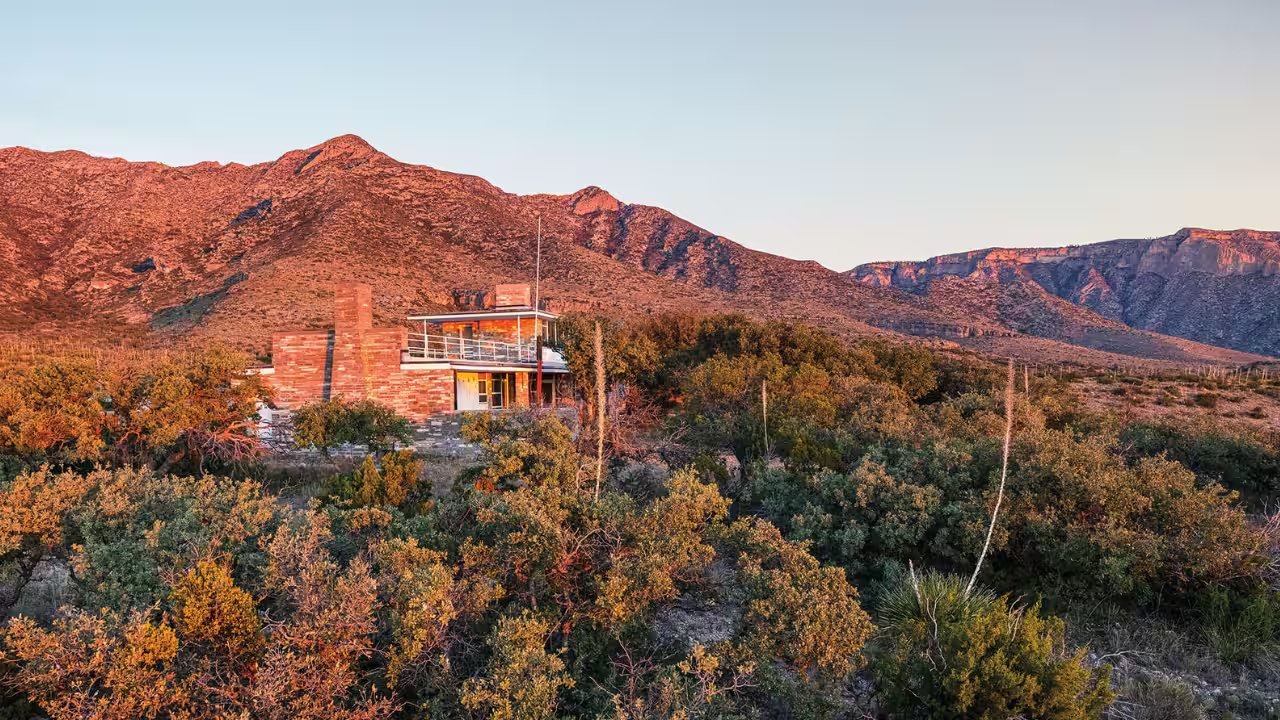
By 1930 Pratt had bought out his partners and added the lower and mouth sections of the canyon, renaming the ranch Manzanital. In 1931 he and his wife Pearl built a stone cabin inside the canyon, a modest shelter that soon proved vulnerable to flash floods. The couple later erected the so‑called “Ship on the Desert” in 1943, a modernist structure that mirrored Pratt's oil career and Iris Pratt's suffrage activism.
The Pratts lived in relative isolation for fifteen years, commuting by plane to Carlsbad, New Mexico, and operating the ranch from the desert. After Iris's health declined in the early 1960s, they relocated to Tucson while Pratt continued to oversee geological surveys. During this period he began to envision a permanent legacy for the land.
In 1959 Pratt transferred 4,942 acres, including the ship‑shaped home, to the United States Department of the Interior. A subsequent 690‑acre donation in 1960–61 pushed the total to 5,600 acres. The National Park Service documented the transfer as the seedbed for a future national park, and Congress approved the park's designation in 1966.
Federal agencies acquired additional holdings, such as the J. C. Hunter Jr. property, to expand the park's boundaries. By September 1970 the land transfer was complete, and the park was formally dedicated, opening its rugged trails to the public. Today, the canyon remains a testament to a geologist's love for nature and a pioneer act of conservation.