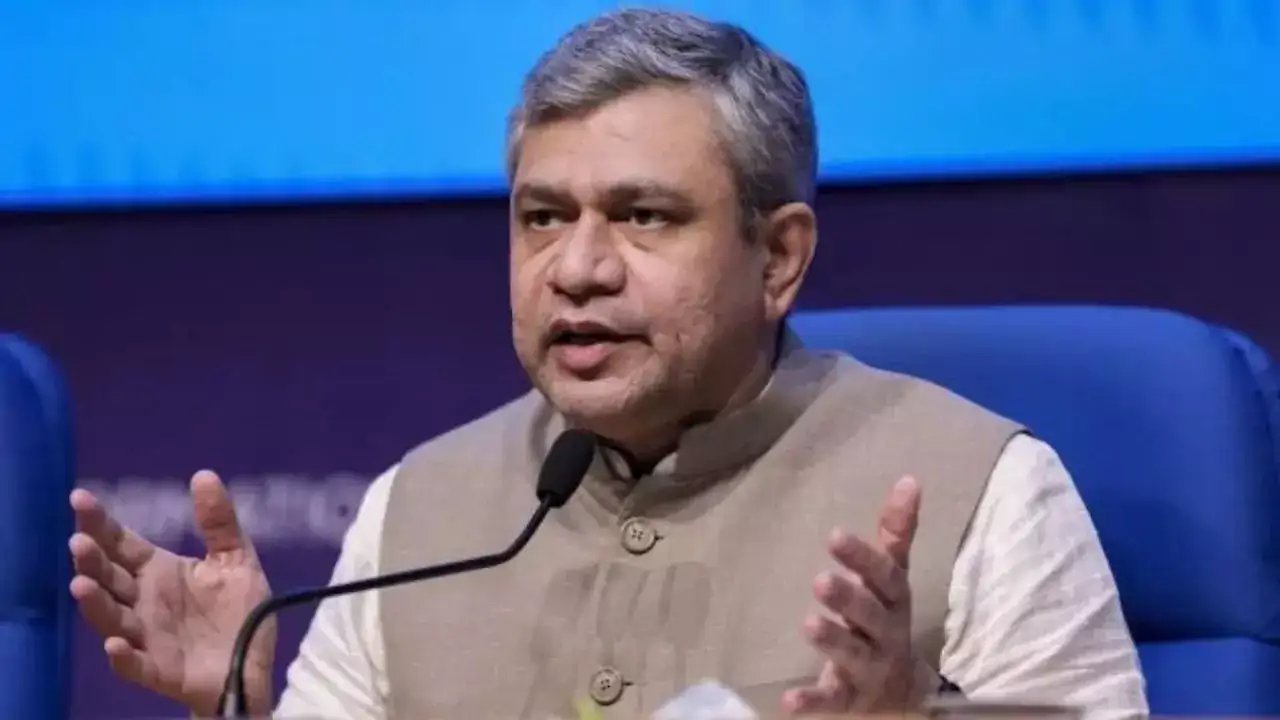
Information Technology Minister Ashwini Vaishnaw told reporters on Wednesday that the Digital Personal Data Protection (DPDP) Act would not curb press freedom in India. He emphasized that the Constitution guarantees media independence and that the privacy law preserves that right. —'Journalistic freedom is absolute,' he said, underscoring the government's commitment to a clear, open dialogue with editors.
Publishers from the Editors Guild have challenged the act, arguing that its lack of a specific exemption for journalistic activity could hinder investigations involving personal data. They contend that without such a carve‑out, reporters risk being compelled to delete or withhold material that serves a public interest. 'We need explicit statutory safeguards,' said a senior editor, citing recent court rulings that tightened data‑protection requirements.
A government source, speaking on the condition of anonymity, said the Centre would consider amendments if an explicit protection for journalism is deemed necessary. He added that the Ministry had already explained the law's provisions to media houses during a year‑long consultation process that included newspapers, television channels and IT firms. 'The DPDP Act does not override the Constitution,' he reiterated.
Vaishnaw, who has overseen the act’s drafting, traced its origins to the Supreme Court’s 2017 judgment that declared privacy a fundamental right. He noted that Parliament translated that ruling into legislation, with a consultation phase that addressed concerns from all stakeholders. 'Data privacy does not mean you can't break something into news,' he reminded the crowd.
According to the source, a formal meeting between the Ministry and the Editors Guild is scheduled for next Thursday, where lawmakers will review potential amendments. Vaishnaw also hinted at a briefing for journalists on Friday to explain the act’s practical implications. The outcome of that dialogue could shape the final wording of the DPDP Act before it receives President’s assent.