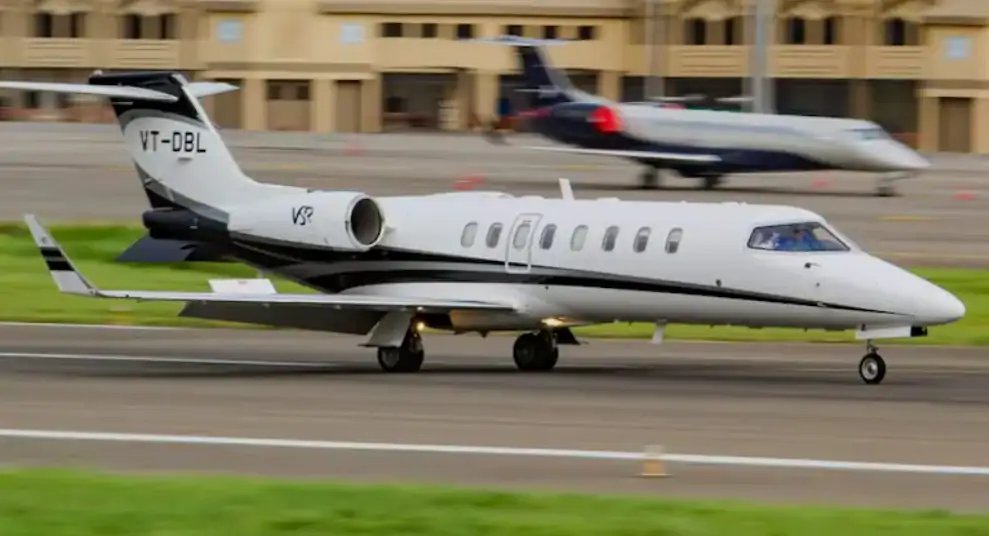
The final AAIB report said the Learjet stalled at low altitude after the crew rejected a go‑around, continuing a destabilised approach amid weak visibility and a tailwind component. It cited non‑adherence to standard operating procedures for monitoring airspeed and for calling a go‑around when the approach was unstable. The crash, which cost the lives of all four occupants, highlighted a culture of “just land” that the investigators deem dangerous.
The investigation also flagged operator lapses, noting that VSR Ventures had a prior incident in May 2023 when a Learjet clipped a truck near Baramati, killing Deputy Chief Minister Ajit Pawar. That earlier accident had already drawn DGCA scrutiny, yet similar procedural gaps remain evident.
To address the deficiencies, the report lists ten recommendations: VSR must enforce challenge‑and‑response checklists; pilots are to rehearse stall recovery in all flight phases; maintenance crews must keep technical logbooks up‑to‑date; the AAI should reassess wake‑turbulence separation; the DGCA should verify operator manuals; and recurrent training must include a stall‑warning simulation for every pilot. Each recommendation carries a compliance deadline, with VSR expected to submit a corrective action plan by the end of October.
The DGCA will now review VSR’s flight manuals and training records, while the AAI will overhaul controller briefing procedures to improve separation standards. Both agencies will issue a joint statement on the corrective measures once the review completes.
VSR Ventures is slated to present its action plan at a DGCA hearing scheduled for November 3, after which the regulator will decide on the operator’s clearance to resume flights.