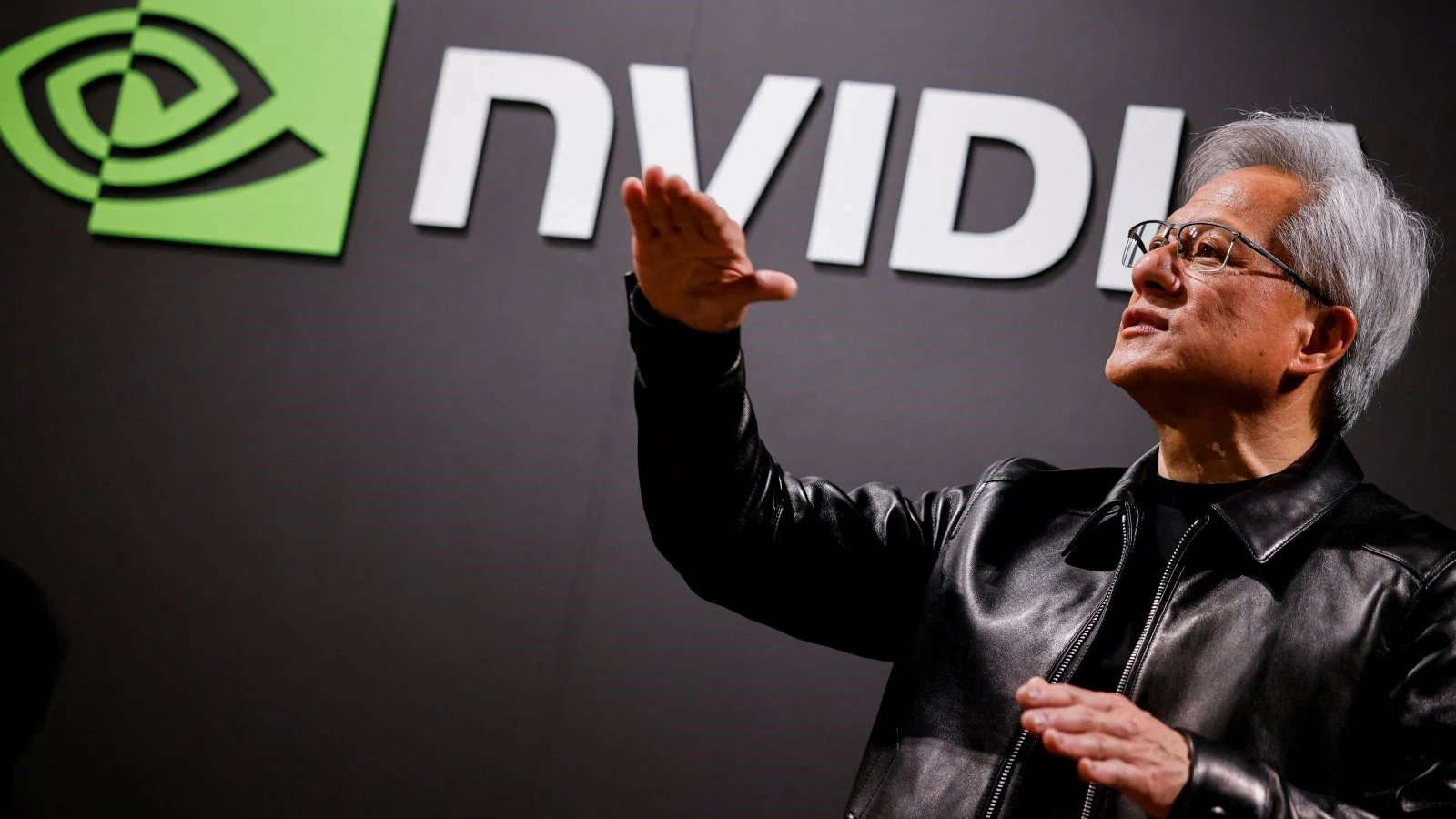
Nvidia shed approximately $430 billion in market value across two brutal trading sessions.
The selloff sliced nearly 10% off the semiconductor giant, prompting Morgan Stanley to unceremoniously strip the stock from its coveted top picks roster. The bank stopped short of a formal downgrade, retaining its Overweight stance. Yet the removal signals an abrupt tactical retreat. Institutional desks are reassessing risk premiums around an executive whose aura previously commanded total market deference.
The trigger was swift and personal.
Nvidia's board initiated an independent inquiry into Chief Executive Jensen Huang following allegations concerning his relationship with Alice Huang, a Chinese businesswoman suspected of links to Beijing's intelligence apparatus.
Huang admitted to martial infidelity in an internal memo circulated to employees, pledging complete cooperation with the external probe. The disclosure sent shockwaves through institutional trading desks. Beyond standard workplace conduct violations, the entanglement ignited acute national security questions: Did sensitive architectural blueprints, trade secrets, or high-performance compute roadmaps leak outside authorized parameters?
Nvidia moved quickly to contain the fallout. The board stated unequivocally that directors have found no evidence indicating corporate IP or national security data suffered compromises.
Trust took a direct hit anyway.
The board has no reason to believe that national security or company secrets were compromised." >
Nvidia Board of Directors Statement
Market Context: For three years, Nvidia traded not merely as a semiconductor hardware maker, but as a pure-play geopolitical bellwether. The company dominates the high-end compute architecture critical to sovereign intelligence and corporate infrastructure. Any personal liability entangling its founder with foreign intelligence risks immediate intervention by Western export regulators and corporate audit committees.
The leadership turmoil arrived at a vulnerable technical juncture. Institutional money managers were already probing the durability of multi-hundred-billion-dollar data center investments by cloud hyperscalers. Investors had begun demanding clear return-on-investment timelines rather than accepting open-ended compute procurement plans.
When personal scandal met macro valuation fatigue, liquidity vanished.
| Parameter / Metric | Development / Level |
|---|---|
| Two-Session Market Capitalization Loss | ~$430 billion |
| Stock Price Impact | Slumped nearly 10% |
| Morgan Stanley Recommendation | Overweight (Retained) |
| Morgan Stanley List Placement | Removed from Preferred Top Picks |
| Corporate Action | Independent Board Audit Launched |
Morgan Stanley's strategy shift mirrors a broader institutional recalibration across the hardware cluster. Bank of America similarly pruned chip capital equipment and memory bellwethers—including Micron and Lam Research alongside Nvidia—from its select high-conviction lists as technical volatility expanded.
Morgan Stanley continues to view Nvidia's core gross margins and architectural moat as structurally intact. But keeping an Overweight rating while dumping the company from top-pick status exposes Wall Street's dilemma: the balance sheet remains pristine, yet executive key-man risk has suddenly turned toxic.
All eyes now turn to the findings of the board's independent counsel. Clearing Huang of operational compromise may stem the immediate bleeding, but the governance discount is now firmly priced into every upcoming trading block.