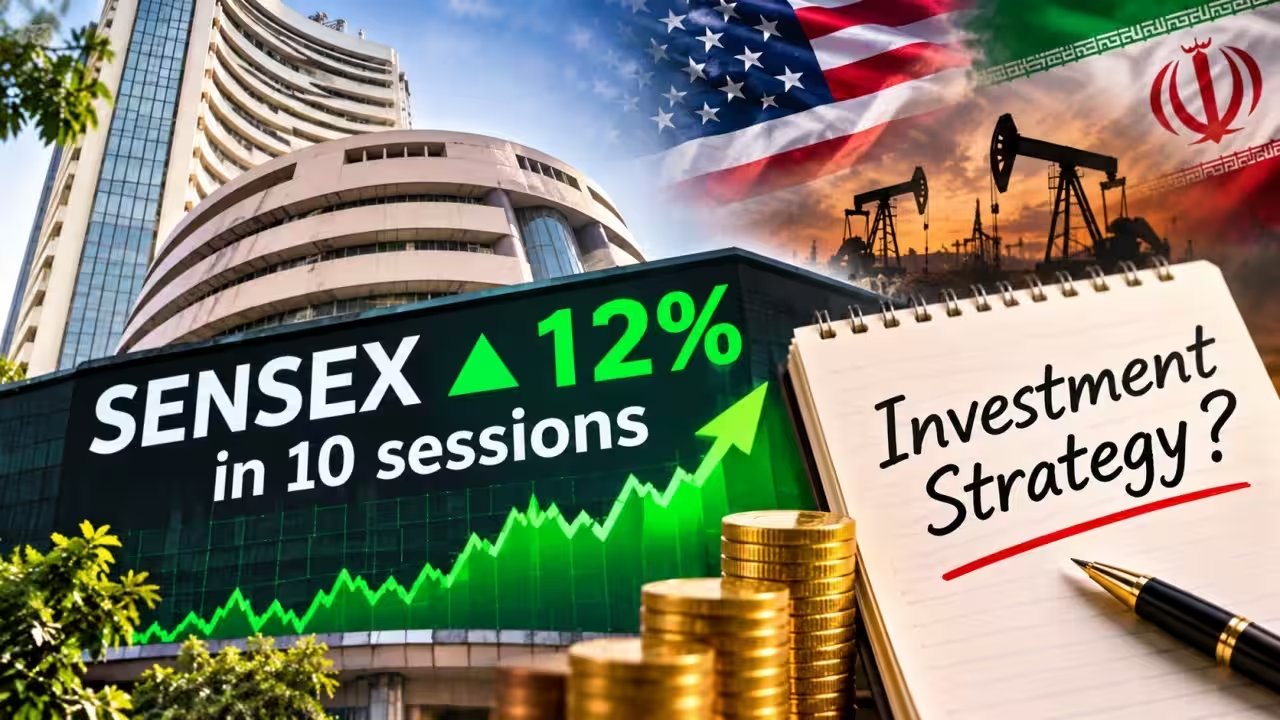
The turnaround was sudden, ferocious, and total.
Dalal Street broke an eight-month dry spell over the past ten trading sessions, vaulting 8,600 points as the BSE Sensex recorded a searing 11.8% advance. Both the Sensex and the Nifty 50 have now wiped out their entire geopolitical deficit, returning to territory untouched since 27 February—the final trading session before hostilities erupted between the United States and Iran on 28 February.
Foreign institutional investors, after treating Indian equities with skepticism through much of the calendar year, flipped their stance in late October. In November alone, overseas funds pumped ₹53,170 crore into domestic equities. The sudden reversal arrived as global brokerages issued a flurry of portfolio upgrades, unwinding bearish bets against an economy that proved far more resilient than peer emerging markets.
| Market Metric | Recorded Level / Velocity |
|---|---|
| Sensex 10-Session Gain | 8,600 points (+11.8%) |
| Benchmark Index Baseline | Highest level since 27 February |
| Net FII November Inflows | ₹53,170 crore |
| Nifty 50 Q2 Corporate Earnings Growth | ~24% YoY (12-quarter peak) |
| Near-Term Projected Index Pullback | 3% to 5% consolidation range |
| Multi-Year Corporate EPS Outlook | Double-digit growth over next 2–3 years |
Cheaper oil changed the math.
A sharp descent in global crude benchmarks erased the war premium embedded in energy contracts, bringing immediate balance-of-payments relief to New Delhi. Lower import bills soften domestic inflation, support the rupee, and trim the current account deficit—a classic tailwind for Indian risk assets.
At the same time, global allocators began actively paring back bloated holdings in United States mega-cap technology and artificial intelligence counters following midterm election setbacks for the Trump administration. Capital fleeing high-multiple Silicon Valley valuations sought liquid emerging market alternatives.
"Weakening of the AI trade after the US mid-term elections is positive for India, which is a non-AI trade," stated VK Vijayakumar, Chief Investment Strategist at Geojit Investments Limited. "The Q2 results have come much better than expected. The near 24% earnings growth of Nifty 50 companies is a 12-quarter high. These factors turned FIIs aggressive buyers in India with a buy figure of ₹53,170 crore in November so far. The rally is being led by largecaps which are fairly valued."
Speculation is also mounting across Mumbai trading desks that the central government may offer relief on long-term capital gains tax in coming policy announcements, removing a key deterrent for cross-border institutional capital.
Market Context: India operates largely outside the direct global artificial intelligence hardware supply chain. When Wall Street tech multiples compress under geopolitical or legislative scrutiny, multi-asset emerging market desks redeploy capital into domestic-demand economies underpinned by banking, manufacturing, and energy consumption.
Yet the velocity of the move has sparked caution among institutional desks.
Several market strategists warn that the market could stage an intermediate 3% to 5% pullback as benchmark indices absorb shifting interest rate commentary from the US Federal Reserve, geopolitical cross-currents, and baseline crude revisions. Fresh capital, analysts argue, should be deployed through staggered trenches rather than single tranches.
The sustainability of this rally will depend on whether corporate earnings improve and global uncertainties continue to ease. Any fresh rise in crude oil prices or geopolitical tensions could lead to volatility." >
Somil Mehta, Head of Retail Research, Mirae Asset Sharekhan
Even with intermittent wobbles, the fundamental architecture looks vastly improved compared to early autumn. The benchmark indices have spent nearly two years in an extended time correction, allowing balance sheet expansion to catch up with headline multiples.
"The valuations have become more reasonable following the earlier correction, backed by double-digit EPS growth over the next two to three years," noted Sunny Agrawal, Head of Fundamental Research at SBI Securities. "We would not be surprised if benchmark indices soon hit their record highs."
For retail and institutional portfolios caught flat-footed by the 8,600-point sprint, chasing green candles represents an asymmetric downside risk.
Instead, desk heads recommend using short-term volatility to rotate capital. Laggards with deteriorated operational metrics should be culled on current index strength, while liquidity is redirected into high-conviction large caps that still trade near fair value multiples.
"The focus should remain on quality-led rebalancing rather than aggressive portfolio restructuring," Agrawal stated. "Investors should consider reducing exposure to expensive stocks where valuations have outpaced earnings, increasing allocation towards quality businesses with sustainable growth prospects, and diversifying excessive sector concentration."
Dalal Street enters the final stretch of the year with institutional liquidity flowing firmly inbound, corporate margins clocking three-year highs, and pre-war resistance levels definitively shattered.